.svg)
%2Bcopy.avif)

.svg)

.webp)


.jpg)
%20(1).jpeg)
.jpg)
Fresh rides, bold takeovers, and everything in between. Micromobility Weekly is your pit stop for the industry’s sharpest twists, turns, and takeovers. Come Ride Along!
Got Your Micromobility Moment To Share? Email - press@micromobility.io
Hooked but not subscribed? 👀 Now’s the time. You’ll thank yourself later.
Micromobility Europe 2026

Limited-Time Offer: Micromobility Europe 2026 Tickets at €399 🚨
Micromobility Europe tickets are now available for €399. This special offer ends 16th March, so secure your spot to join two days of inspiring conversations, bold ideas, and the people shaping the future of urban mobility at Europe’s leading micromobility gathering.
Don’t miss your chance. Grab your ticket today!
Join McKinsey, Rivian’s ALSO, Dott, NextBike, POLIS, Urban Sharing, Navee, CityFi, Valeo, XYTE, Vmax and many others!
[Sponsor/Exhibit] | [Speak at the Event] | [Exhibit as a Startup] | [Get A Free Pass]
And to find all about Micromobility America | Nov 11-12 | Palace of Fine Arts, SFO - HERE!
What You Need to Know Today
Micromobility in London with Will Norman

In this episode of the Micromobility Podcast, host Prabin Joel Jones (CEO, Micromobility Industries) sits down with Will Norman, London’s Walking and Cycling Commissioner, to unpack how one of the world’s biggest cities is reshaping its streets for people.
Will explains why his job title exists in the first place, and why the real mission is bigger than bike lanes: making streets safer, integrating micromobility with the Tube and buses, and keeping London competitive as a global city.
Heads up! Our podcast has a new dock on YouTube, Apple, and Spotify. Make sure to resubscribe so you don’t miss out. Stay Tuned!!!
Voi Introduces Three New Vehicles For 2026
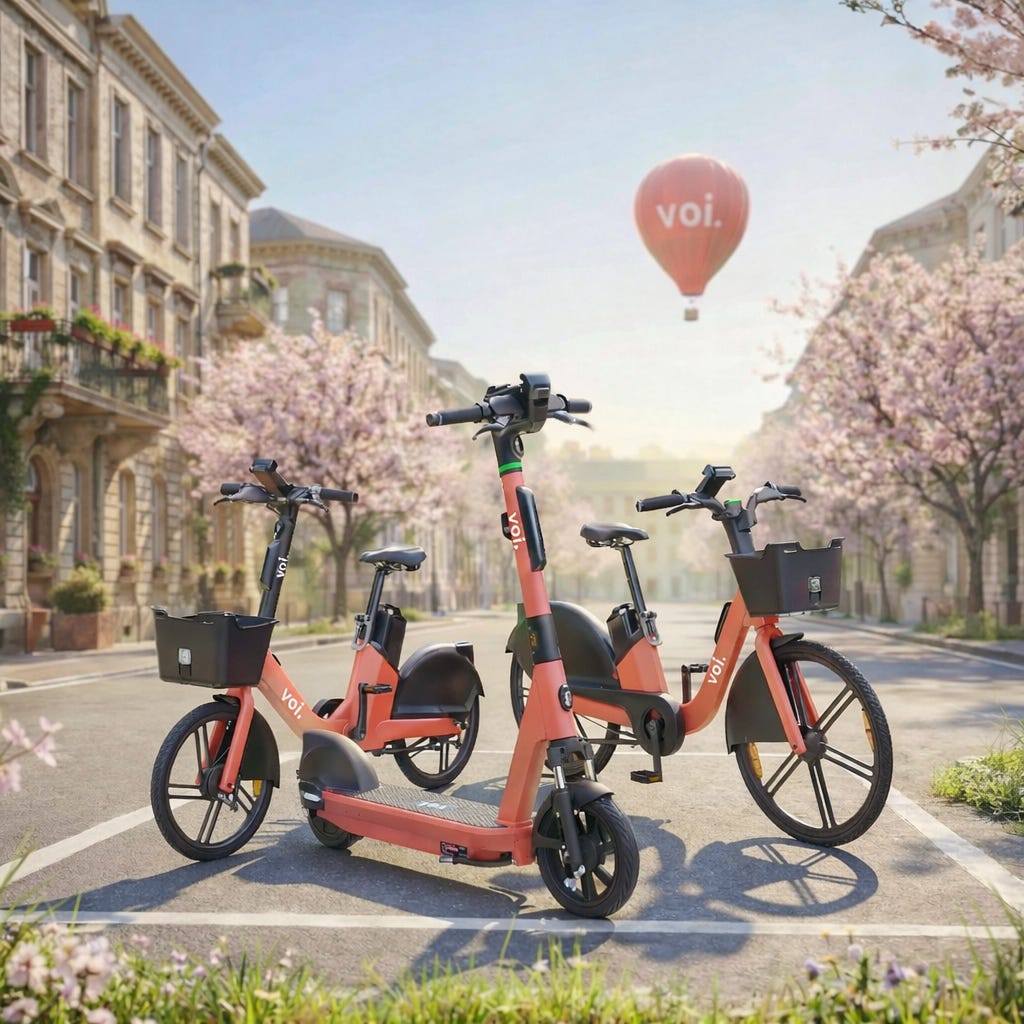
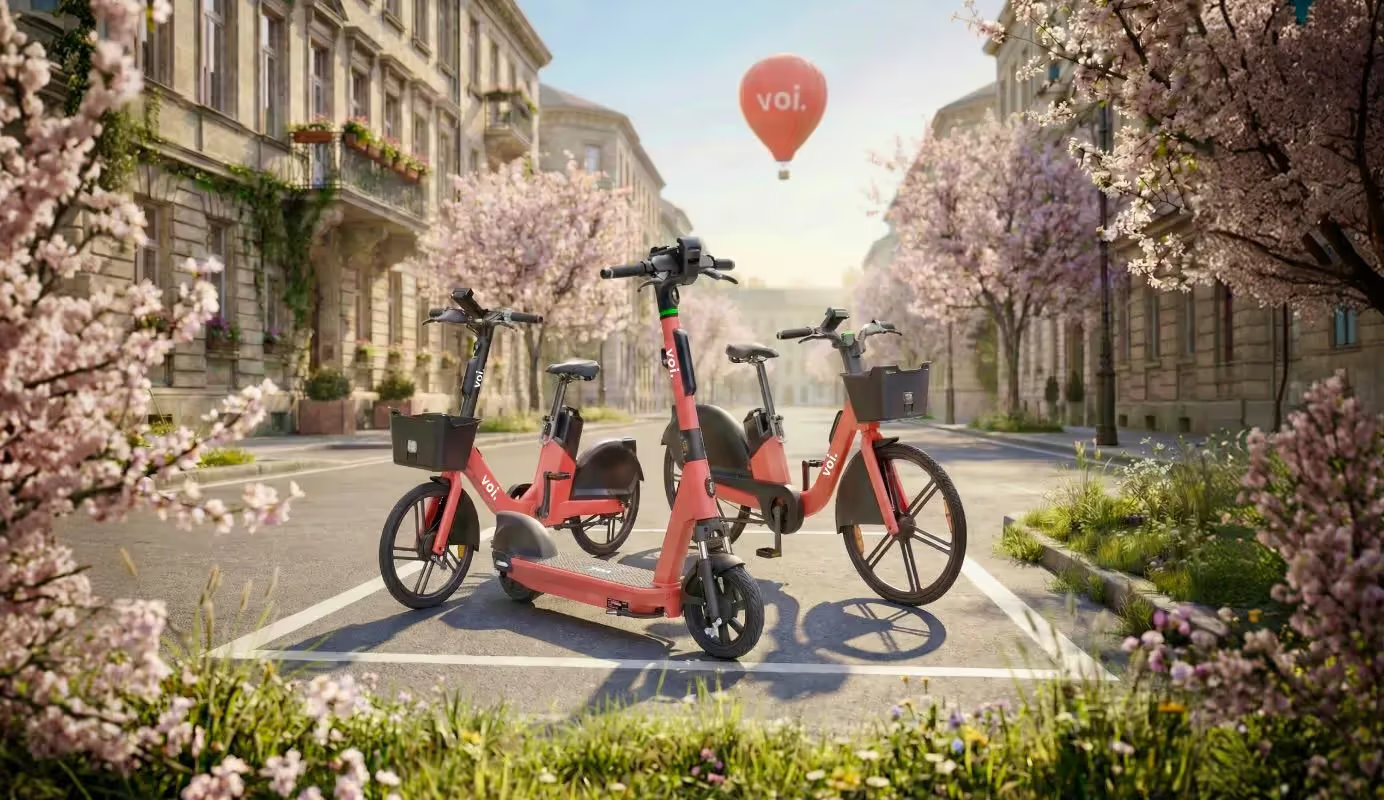
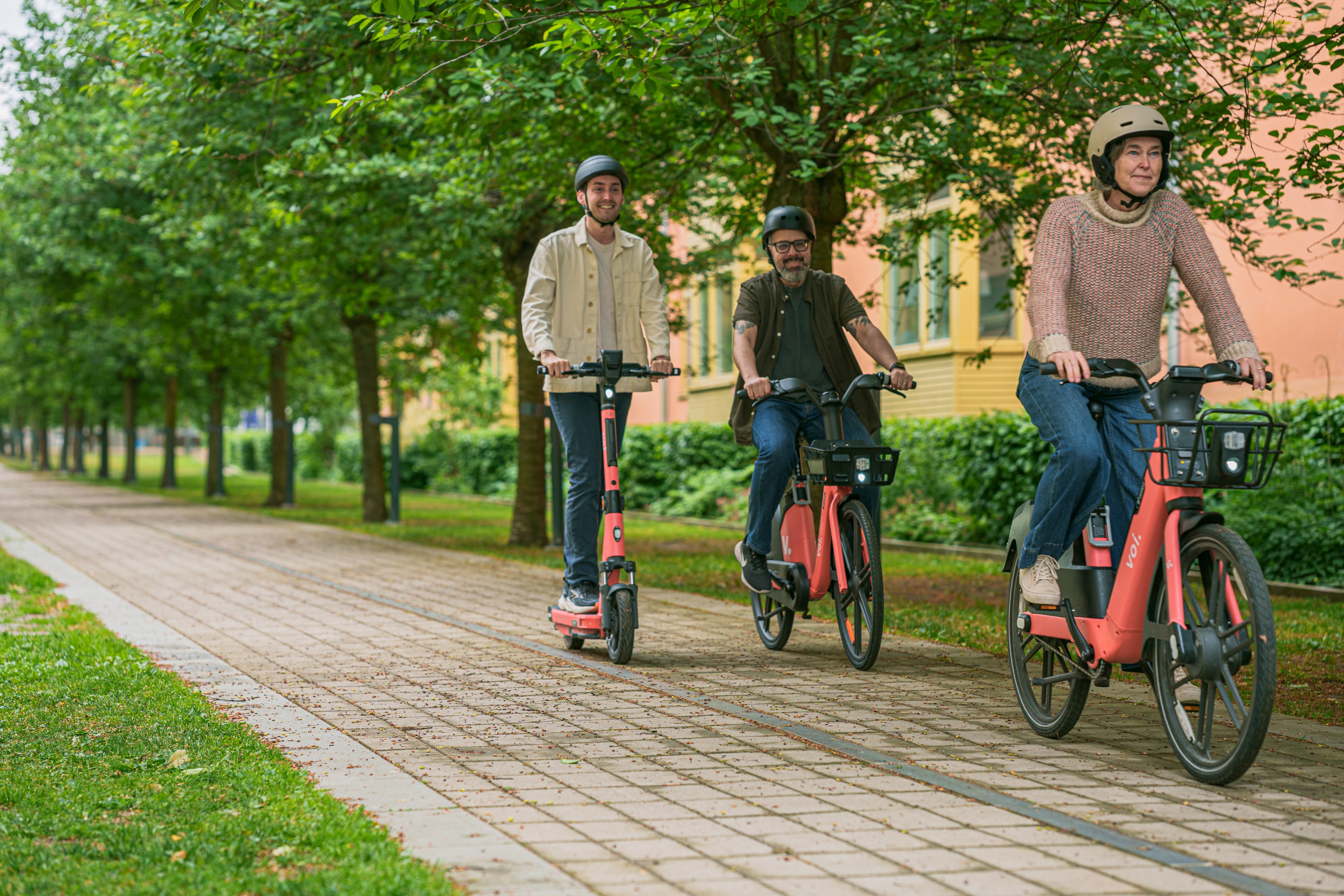
Voi Technology is expanding its vehicle lineup in 2026 with three new models: the Voiager 9 e-scooter and two upgraded e-bikes, Explorer 5 and Explorer Light 2. Rolling out from Stockholm this spring, the new generation focuses on better rider comfort, longer range, and higher durability, built on insights from nearly 500m rides across Europe. The e-bikes offer up to 40% more battery capacity and larger baskets, while the lighter Explorer Light 2 uses fewer materials and energy. The Voiager 9 improves ergonomics and charging efficiency and increases recycled content. All three models run on Voi’s next-generation in-house IoT system, enabling precise geofencing, lower energy use, and faster compliance with local regulations as the company pushes toward its Net Zero 2035 goal.
Dott Reports €173M Revenue and €7M Adjusted EBITDA
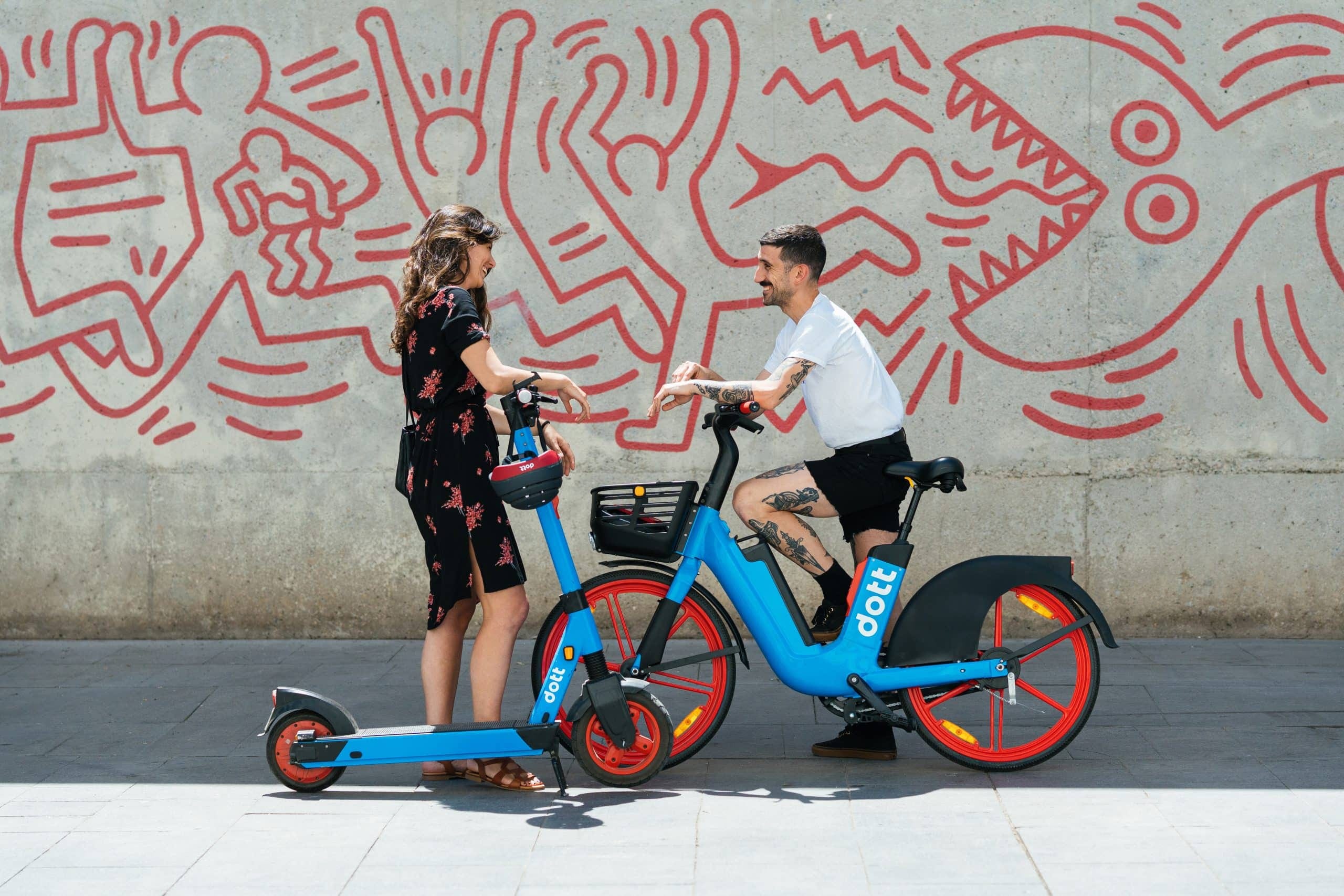
Dott reported its first profitable year on an adjusted basis in 2025, generating €173m in revenue and €7m in Adjusted EBITDA, following cost cuts after its 2024 merger with TIER. The company reduced annual costs by around €60m, stabilized operations in the second half of the year, and ended 2025 with €31m in cash. Growth was supported by new long-term tenders in Paris and Bordeaux, a 10% rise in rides per rider, and subscriptions accounting for half of all trips. Backed by €85m in fresh funding, Dott is refreshing its fleet with 45k new vehicles in 2026 and is targeting €30-40m in Adjusted EBITDA next year.
Shimano Bicycle Sales increased 2.7% in 2025
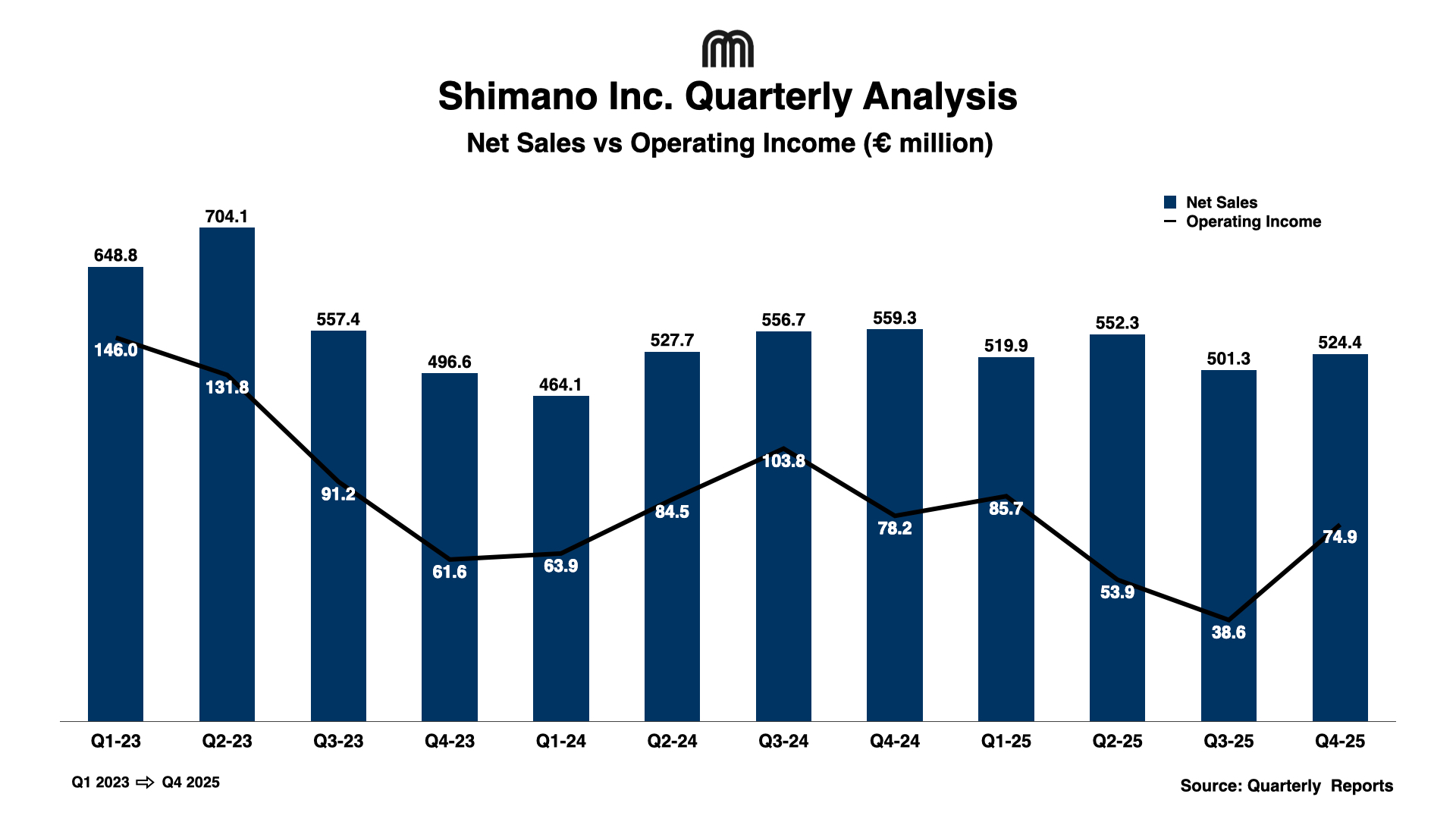
Shimano reported €2.1B in bicycle component sales in 2025, a 2.7% increase YoY, even as operating income in the segment fell 20.9% to €254m due to higher costs and uneven global demand. Performance improved toward the end of the year, with Q4 sales rising to €524.4m and operating income nearly doubling from Q3. Europe remained Shimano’s largest market, while sales declined sharply in China and softened in North America and Japan. Innovation, including the battery-free Q’AUTO shifting system, helped support demand, while a major U.S. crankset recall settlement and continued investment in trail infrastructure shaped the year. Looking ahead, Shimano expects a modest decline in bicycle sales and profits in 2026 as the market continues to rebalance.
Aachen, Germany, Adds Fourth E-Scooter Operator
Norway-based operator Ryde will launch e-scooter rentals in Aachen, Germany, in March 2026, becoming the city’s fourth provider alongside Dott, Ridemovi, and Voi. The total shared fleet will remain capped at 2k scooters under city limits. Aachen’s regulated micromobility system, with designated parking and no-go zones, has driven Germany-leading trips per capita. The addition reflects strong demand and close city-operator collaboration. In January 2026 alone, 106.6k e-scooter trips were recorded in the city.
ZEUS Acquires Superpedestrian Europe
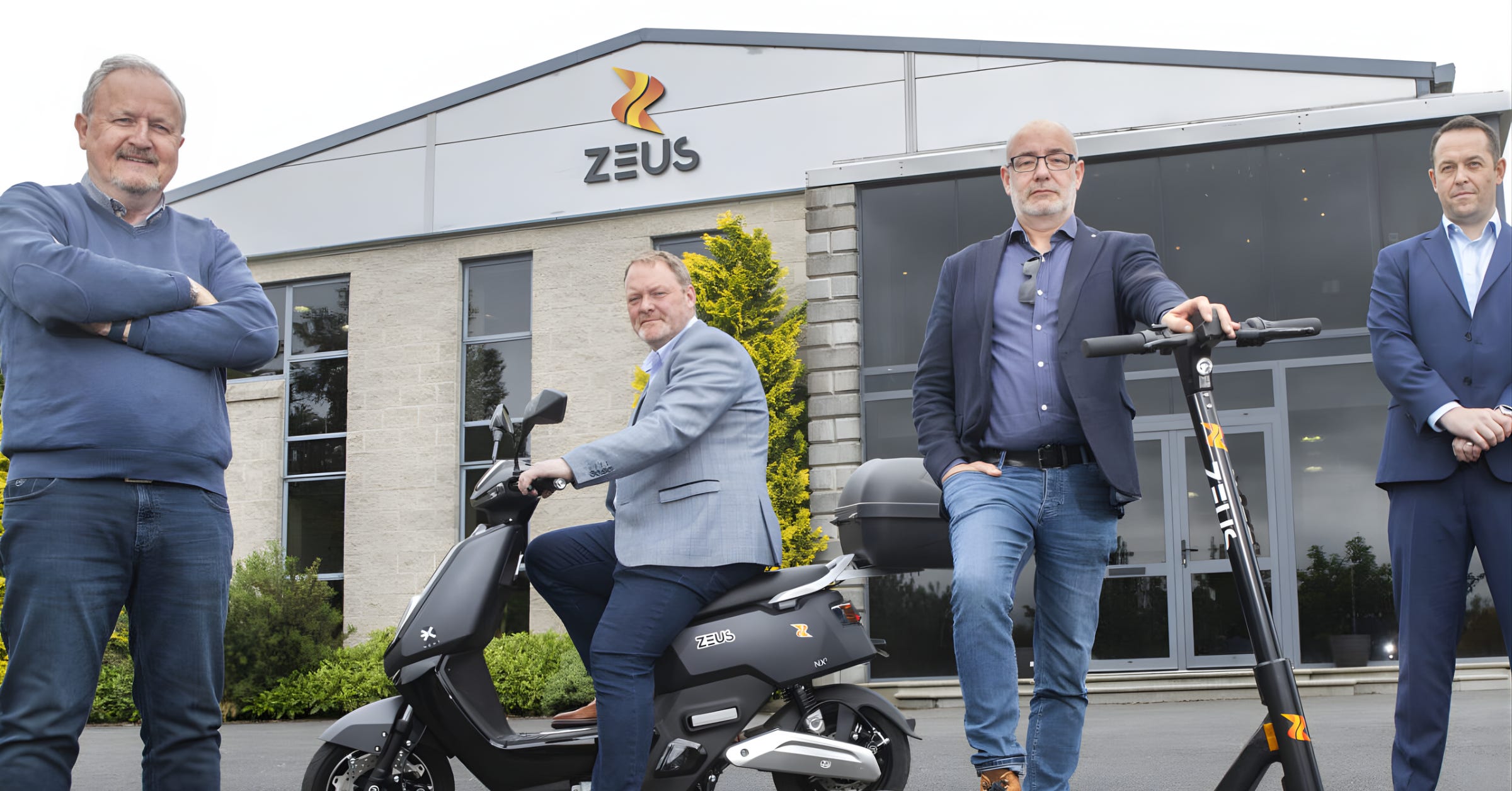
Dublin-based ZEUS Mobility acquired Superpedestrian Europe, merging a profitable operator with a technology-rich platform. Superpedestrian had raised over $125m, built an advanced AI-driven fleet management across 60+ cities, and its European arm was taken over by SURF in 2024 before this deal. ZEUS, already operating in 40+ European locations with positive EBITDA, will integrate Superpedestrian's safety and fleet management intelligence systems into its operations. The combined entity plans to deploy up to 20k vehicles across 30 European cities within the next 12 months.
Amazon Hits 100M Micromobility Deliveries in Europe
Amazon has completed 100m European deliveries using micromobility, e-cargo bikes, e-mopeds, and push carts, cutting urban emissions and congestion. Since its first cargo-bike hub in Strasbourg in 2017, the network has expanded to 70+ hubs across 50+ cities in nine countries. These smaller vehicles enable efficient deliveries in dense and historic areas where vans struggle. Amazon plans 25 more hubs in 2026, scaling low-impact urban logistics.

- Davis, California, USA, released an updated bike map covering routes, safety, and e-bike rules.
- Pittsford, New York, USA, is considering a sidewalk ban on bikes, e-bikes and scooters over safety concerns.
- Marblehead, Massachusetts, USA, could see new e-bike safety rules under proposed state recommendations.
- Stellantis Maroc and AXA launched dedicated insurance for electric micromobility vehicles.
- Dubai Police warn e-scooter riders to stay off jogging and sports tracks and use only designated lanes, or face fines and possible confiscation.
- In Canada, the Mississauga council reconsidered e-scooter licensing amid safety, enforcement, and regulatory concerns.
- In the UK, Norfolk County Council is spending over £100k to add 35 new shared e-bikes in Wymondham and Hethersett.
- Waxhaw, North Carolina, US has tightened e-bike, scooter rules as it bans e-bikes on sidewalks, caps park speeds, mandates helmets, and lights.
- Abu Dhabi Police launched an e-scooter safety campaign promoting compliance and responsible riding.
Yate–Sodbury Shared Micromobility Trial Extended
In the UK, the shared micromobility trial in Yate and Chipping Sodbury will extenduntil September 2026 after strong early uptake of 3.5k+ rides in its first 3 months. The program is operated by Dott within the wider West of England network of over 1.5k e-bikes and 2.5k e-scooters. The scheme will continue gathering data through peak seasons. The Scoot Safe campaign has improved compliance, adding 52 parking bays and issuing 16k+ fines to curb poor parking. More than 99% of journeys now end in designated bays, supporting safer, more accessible streets ahead of a final evaluation.
What a Microcar Really Is
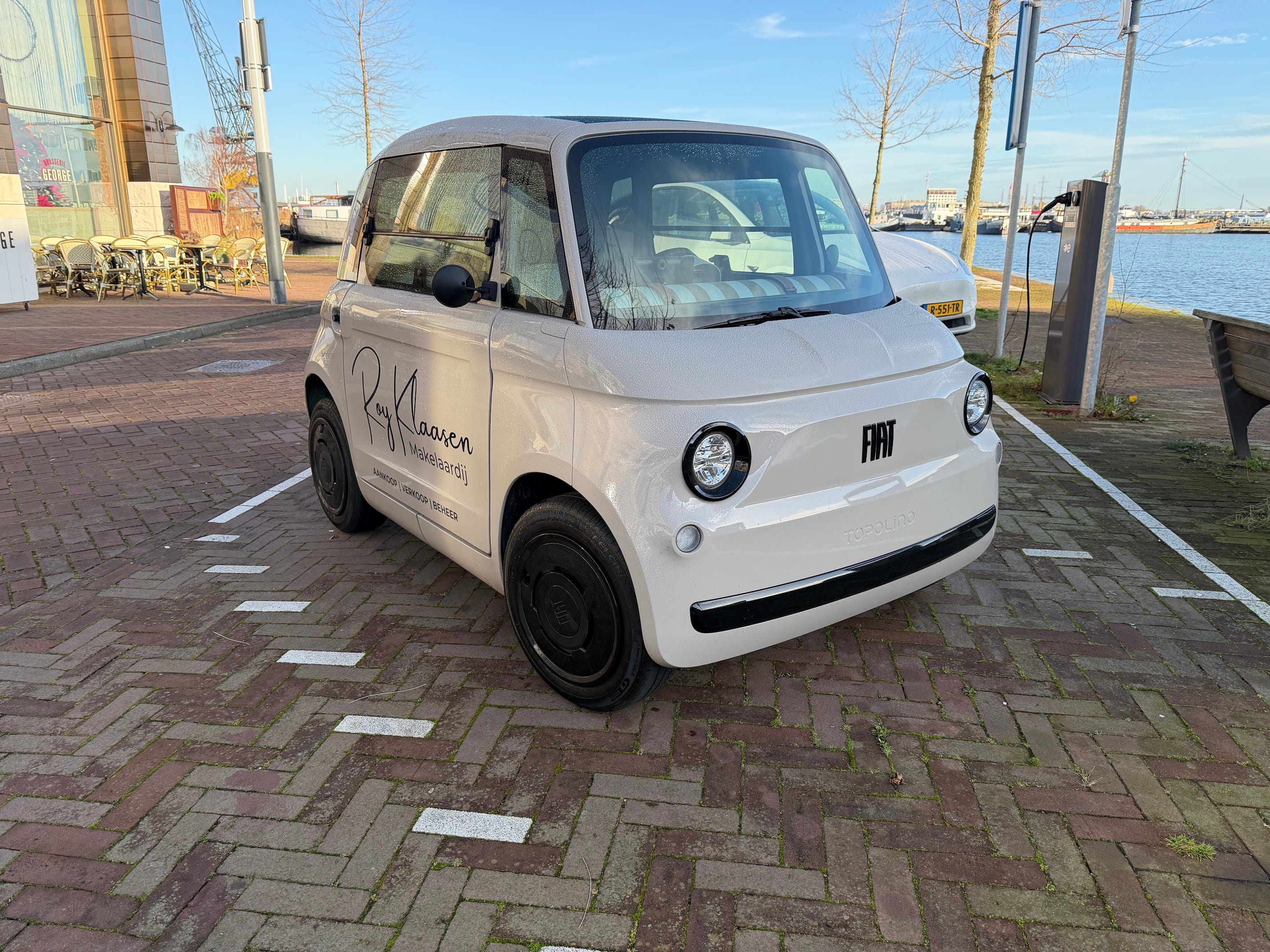
A microcar is best understood as a small, lightweight vehicle designed for short, urban trips, but its exact definition depends heavily on where you are. In Europe, microcars are regulated as quadricycles, split into light (L6e) and heavy (L7e) categories with lower speed, weight, and power limits than regular cars. In Japan, they appear as Kei cars, tightly defined by size and engine limits and heavily incentivized through lower taxes, making up nearly 40% of the market. In the US and Canada, microcars don’t officially exist as a category and instead fall under Low-Speed Vehicles or Neighborhood Electric Vehicles, restricted to slower roads. In short, microcars aren’t just “tiny cars” - they sit in a regulatory middle ground between bikes, mopeds, and cars, shaped more by local law than by a single global definition.

- This 2025 peer-reviewed study examines the spatiotemporal usage patterns of the MetroBike shared bicycle system in Austin, analysing community clusters, spatial accessibility, and socio-demographic influences on ridership. The authors identify spatial disparities in service and usage over time, offering insights into how shared bike systems can be expanded equitably and strategically to support sustainable urban mobility across diverse city areas.
- Full paper: Exploring the spatiotemporal patterns of shared bicycle usage: a case study of MetroBike in Austin, Texas.
Authors: Yubin Lee, Farhaan Cooverji, Yihong Yuan (2025) - A 2025 peer-reviewed analysis of shared e-bike demand uses both spatial regression and machine learning (XGBoost) on Nanning, China trip data to reveal how temporal dynamics and external factors affect usage. The authors find that shared e-bike demand exhibits distinct time-based patterns and strong integration potential with public transit, emphasizing targeted deployment strategies based on trip purpose and time of day to optimize service performance and sustainability.
- Full paper: Shared e-bikes demand in urban mobility: Temporal heterogeneity, driving factors, and strategic implications.Authors: Ailing Yin, Xiaohong Chen, He Haitao, Andrew Morris, Quan Yuan, Xu Ma, Zhiwei Yang (2025).
- A 2025 peer-reviewed study explores how built environment characteristics shape electric bike-sharing demand across different distance scales in a small-to-medium Chinese city. Using real operational data and multiscale geographically weighted regression (MGWR), the authors show spatial heterogeneity in travel demand drivers, such as road network density, POI diversity, and accessibility, offering a refined understanding of how e-bike usage varies with urban context and travel distance.
- Full paper: Analysis of the Multi-Scale Spatial Heterogeneity of Factors Influencing the Electric Bike-Sharing Travel Demand in Small and Medium-Sized Cities.Authors: Xin Wang, Zhiyuan Peng, Xuefeng Li, Mingyang Du, Fangzheng Lyu, Jeon-Young Kang, Kangjae Lee, Dong Liu (2025)
Cayman Enforces Micromobility Laws
The Cayman Islands began enhanced enforcement of existing e-bike, scooter, and micromobility road laws on March 1, 2026, following a short compliance grace period. Authorities had confirmed insurance availability for compliant devices, with additional insurers preparing to enter the market. Riders and businesses were required to complete inspections, licensing, registration, and insurance ahead of enforcement. The phased rollout was intended to ensure safer, lawful micromobility use across the islands.
SINBON–Swobbee Expand NYC Battery Swaps
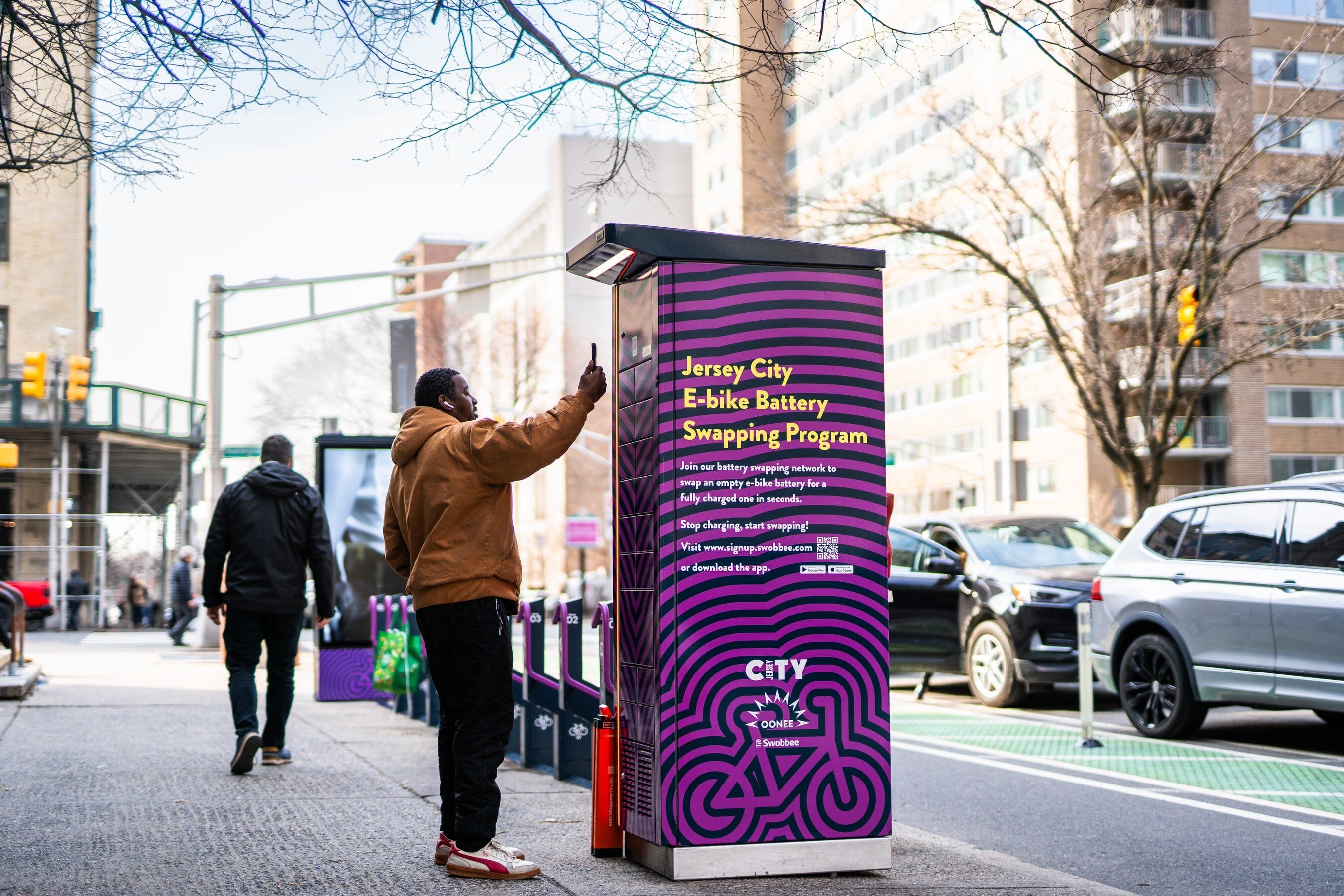
In New York City, SINBON and Swobbee are expanding a citywide e-bike battery swapping network to reduce fire risks from home charging. Swobbee’s UL-certified batteries and 24/7 swap stations have already enabled about 150k swaps since March 2025. SINBON provides advanced interconnect and traceability tech to ensure reliable, scalable operations. Following a successful pilot, dozens more stations are planned across all five boroughs in 2026.

The Micromobility Job Board is back and buzzing. Ready to hit the fast lane of the mobility revolution? From bold startups to global leaders, explore roles that let you shape the way cities move.
Your next adventure in micromobility starts here!
On this week’s job posting:
- Business Development Manager at Micromobility Industries (Remote - Berlin)
Got a job to share? Place an order through the MMI website.
Florida Caps Sidewalk E-Bike Speeds
Florida’s Senate unanimously passed the CS/SB 382 bill to tighten safety rules for e-bikes and micromobility devices. The bill caps e-bike speeds at 10 mph on sidewalks or pedestrian areas within 50 ft of people and requires yielding and audible signals on shared paths. It mandates statewide tracking of all micromobility crashes and creates a Micromobility Device Safety Task Force to recommend further reforms by October 2026. The measure now moves to the House, with most provisions effective upon enactment and some from July 2026.
Got your micromobility moment to share? Email us at press@micromobility.io
Loving the vibe? Hop on and ride with us! Subscribe!