.svg)
%2Bcopy.avif)

.svg)

.webp)


.jpg)
%20(1).jpeg)
.jpg)
London did not become a cycling city overnight.
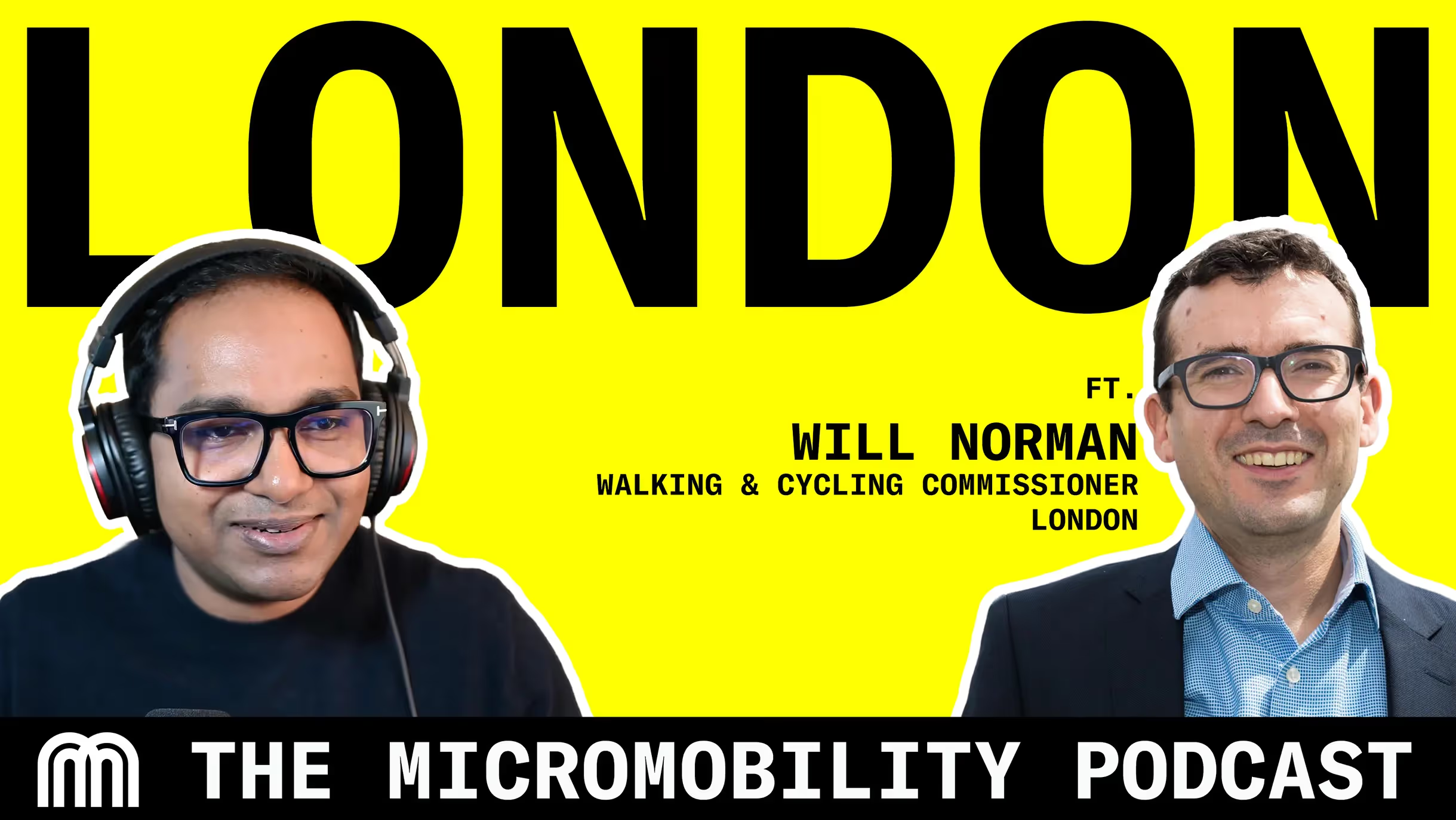
When Will Norman took office as Walking and Cycling Commissioner in 2016 under Mayor Sadiq Khan, the city had roughly 90 km of cycleways. Today, that figure stands at more than 400 km. Daily cycling trips have climbed to around 1.5 million. Mode share has risen. Streets look different.
From Fringe to Mainstream
Cycling in London was once perceived as niche. Commuter-heavy. Risky. Dominated by confident riders.
Today, cycling is no longer a minority activity. It is approaching half the scale of Tube journeys. In some parts of the city, mode share exceeds 15 percent.
That shift did not happen because London suddenly became more “bike friendly” culturally. It happened because infrastructure reduced risk, and reduced risk unlocked demand.
Norman is blunt about it: if people do not feel safe, they do not ride.
And safety is not just about perception. Since London’s 2010–14 baseline, the risk of being killed or seriously injured on the roads has fallen significantly. Expanding 20 mph zones now cover the majority of London’s streets. Fatalities on residential roads have dropped. Child deaths on those streets have fallen dramatically.
Cycleways are part of that system. But they are not the whole system.
London’s approach combines:
- Protected infrastructure
- Safer junction redesigns
- Widespread 20 mph limits
- Enforcement of dangerous behavior
- The world-first Direct Vision Standard for heavy goods vehicles
Sitting in the cab of a truck and realizing how many cyclists are invisible to a driver changes your view of road design. That insight led to regulation that has contributed to a sharp drop in truck-related fatalities.
This is not anti-car policy. It is pro-life policy.
The Politics of Street Change
Building bike lanes is easy in PowerPoint. It is harder in a city of 10 million people.
London’s governance structure complicates everything. Transport for London directly controls only about 5 percent of roads. The remaining 95 percent sit under 30+ boroughs. That means negotiation, persuasion, compromise, and persistence.
And backlash.
Any meaningful street reallocation creates friction. Norman openly acknowledges the hostility that can come with change. But the formula London used was consistent:
- Political leadership with staying power
- Stable funding
- Technical expertise
- Campaigning communities pushing for more
- Data to guide decisions and prove outcomes
Data, in particular, plays two roles. It identifies where danger is highest and investment is most needed. And it tells the story afterward. When collisions drop and usage rises, that becomes political cover for further change.
Success creates momentum.
Integration, Not Isolation
One misconception about cycling growth is that it replaces the rest of the network.
It does not.
London’s strategy integrates active travel with the Tube, bus network, rail, and river services. In a city the size of London, no one expects people to cycle from Heathrow to the eastern boroughs every day. But short trips to stations, between neighborhoods, and across central areas become faster and more reliable by bike.
This shift also reflects post-pandemic changes. Travel patterns altered. Flexible work increased. People reconsidered daily routines. Cycling captured part of that reset.
The result is normalization. The more people cycle, the more ordinary it becomes. And the more ordinary it becomes, the safer it feels.
Shared Micromobility: Big Scale, Late Regulation
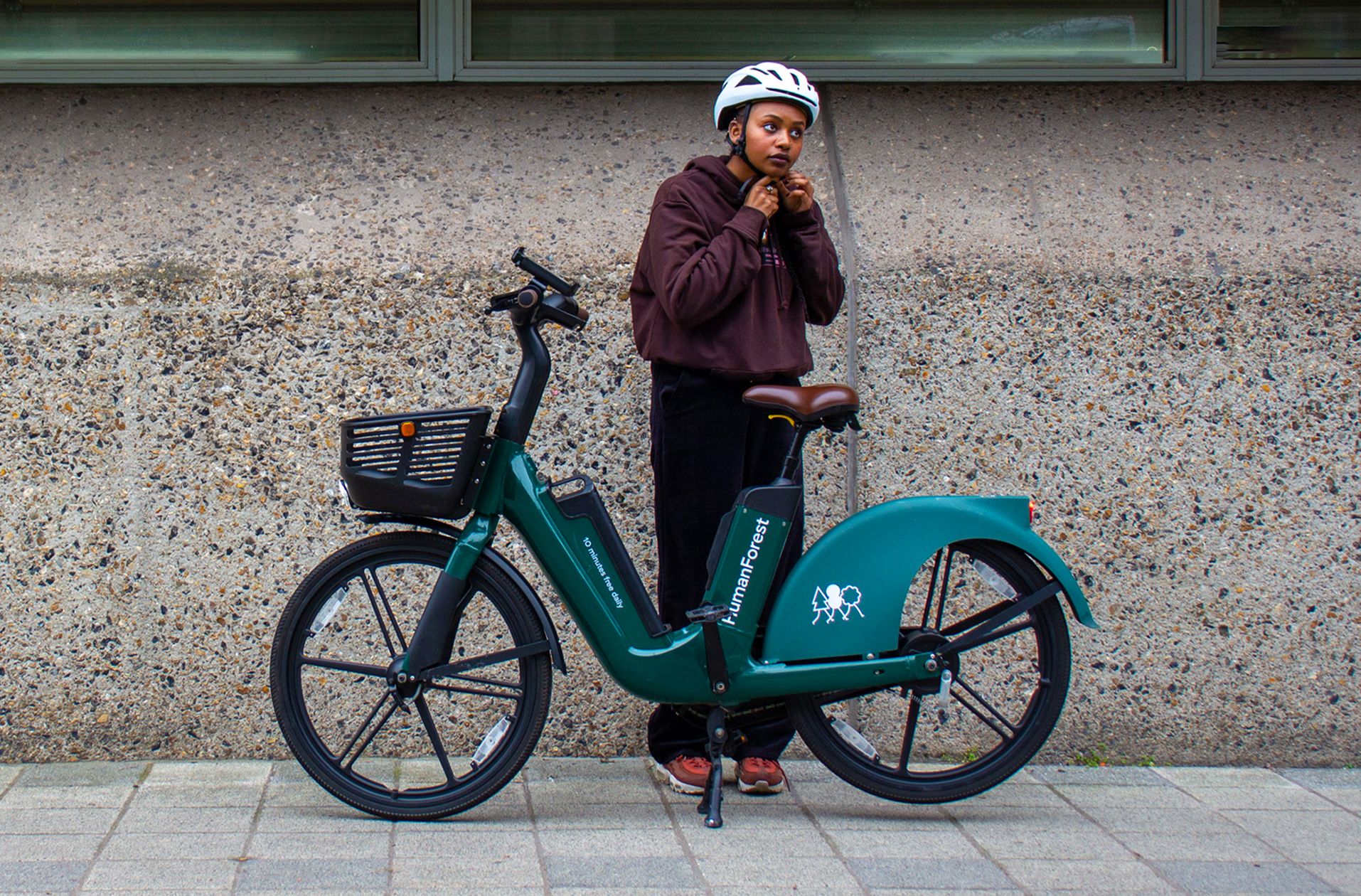
Walk through central London today and one thing is clear: dockless e-bikes are everywhere.
Operators like Lime have scaled rapidly. London is one of the largest shared e-bike markets globally. Yet, for years, the city lacked the legal power to regulate dockless fleets.
That is changing.
New national legislation is expected to give cities authority to license and manage fleets properly. That means clearer parking rules, better data sharing, and coordinated fleet caps across boroughs.
The issue is not simply how many bikes exist. It is where they are and how they are managed.
Certain hotspots experience oversupply. Other areas have none. Without a citywide framework, borough-by-borough decisions can lead to inconsistent rules and even dangerous outcomes, such as bikes cutting power at borough borders.
Regulation, done well, is not anti-growth. It is what enables growth to be sustainable.
What About E-Scooters?
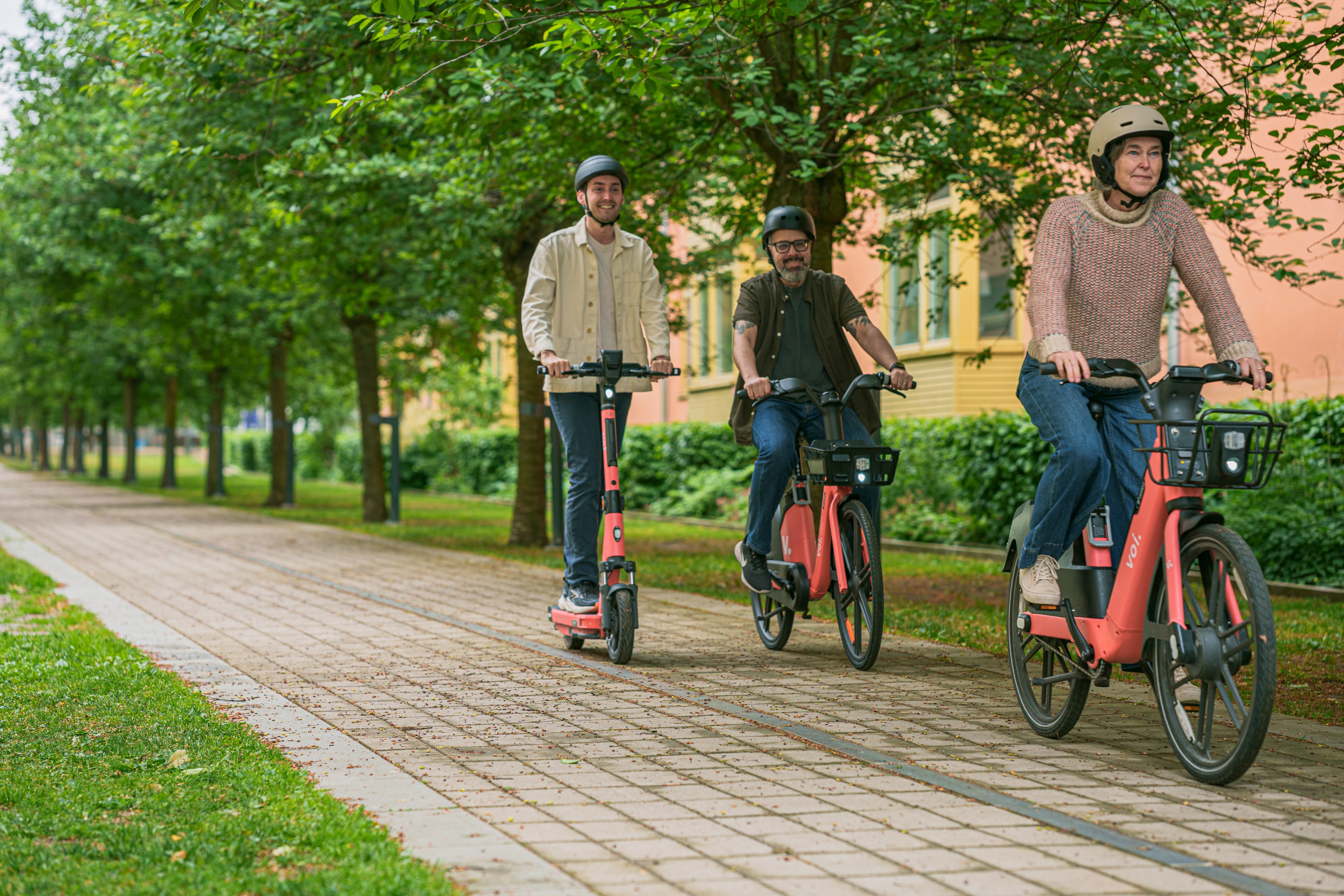
E-scooters remain in a national trial phase in the UK. Rental scooters are regulated. Private scooters exist in a gray area.
Adoption has been slower than shared e-bikes, but usage is rising. Norman expects growth to continue, though e-bikes may dominate given London’s scale and trip lengths.
The key challenge is perception and regulatory clarity. Without consistent rules for private devices, the rental market can inherit reputational damage.
Again, the theme is balance. Innovation is welcome. But it must function within a safe system.
The Cargo Bike Shift
Beyond passenger micromobility, cargo bikes are emerging as a structural shift.
Major logistics firms are replacing vans with cargo bikes for last-mile deliveries. Growth rates are substantial. This reduces congestion, emissions, and road danger in dense areas.
But new form factors bring new design questions. Wider vehicles occupy more space. Infrastructure must adapt without compromising safety.
London’s goal is not to freeze the street in its current form. It is to build a framework flexible enough to absorb what comes next.
The 400-Meter Metric
One of London’s more interesting metrics is proximity.
The city tracks how many residents live within 400 meters of a cycleway. That target shapes network design. Rather than only building radial routes into the central business district, the focus shifts to connecting communities.
This matters for equity.
A hub-and-spoke model primarily benefits commuters heading into wealthier central zones. A distributed network benefits neighborhoods. It diversifies who cycles.
Access drives participation.
A Model, But Not a Blueprint
London is often cited as a reference city. But Norman pushes back on the idea of a fixed blueprint.
Every city has its own governance structure, politics, culture, and constraints. What London demonstrates is not a universal design manual. It demonstrates a process:
- Be consistent
- Invest long term
- Protect safety first
- Measure outcomes
- Communicate success
- Empower communities
Urban transformation is rarely linear. It is contested. It is incremental. It requires resilience.
But once change becomes visible, it becomes difficult to reverse.
The Bigger Point
At its core, this is not about cycling.
It is about what makes cities competitive and livable.
People choose where to live, work, and invest. They prefer places where streets are safe, air is cleaner, and mobility options are reliable.
Active travel intersects with public health, economic vitality, climate goals, and quality of life. It is not a niche agenda.
It is urban strategy.
London’s transformation is ongoing. Targets will likely be revised upward. Infrastructure gaps remain. Regulation is still catching up in parts of the shared market.
But the direction is clear.
And if there is one lesson from London’s past decade, it is this:
When safety improves, demand follows.