.svg)
%2Bcopy.avif)

.svg)

.webp)

.jpg)
%20(1).jpeg)
.jpg)
Fresh rides, bold takeovers, and everything in between. Micromobility Weekly is your pit stop for the industry’s sharpest twists, turns, and takeovers. Come Ride Along!
Got Your Micromobility Moment To Share? Email - press@micromobility.io
Hooked but not subscribed? 👀 Now’s the time. You’ll thank yourself later.
Last chance! Join Micromobility Europe 2026 at €575. Sale ends TONIGHT!

Announcing Early Agenda for Micromobility Europe 2026!
Micromobility Europe is just a month away and we have an incredible lineup of Keynotes, Fireside Chats, and Panels. Check the early agenda here.
The €575 price won't last, grab your General Admission ticket tonight.
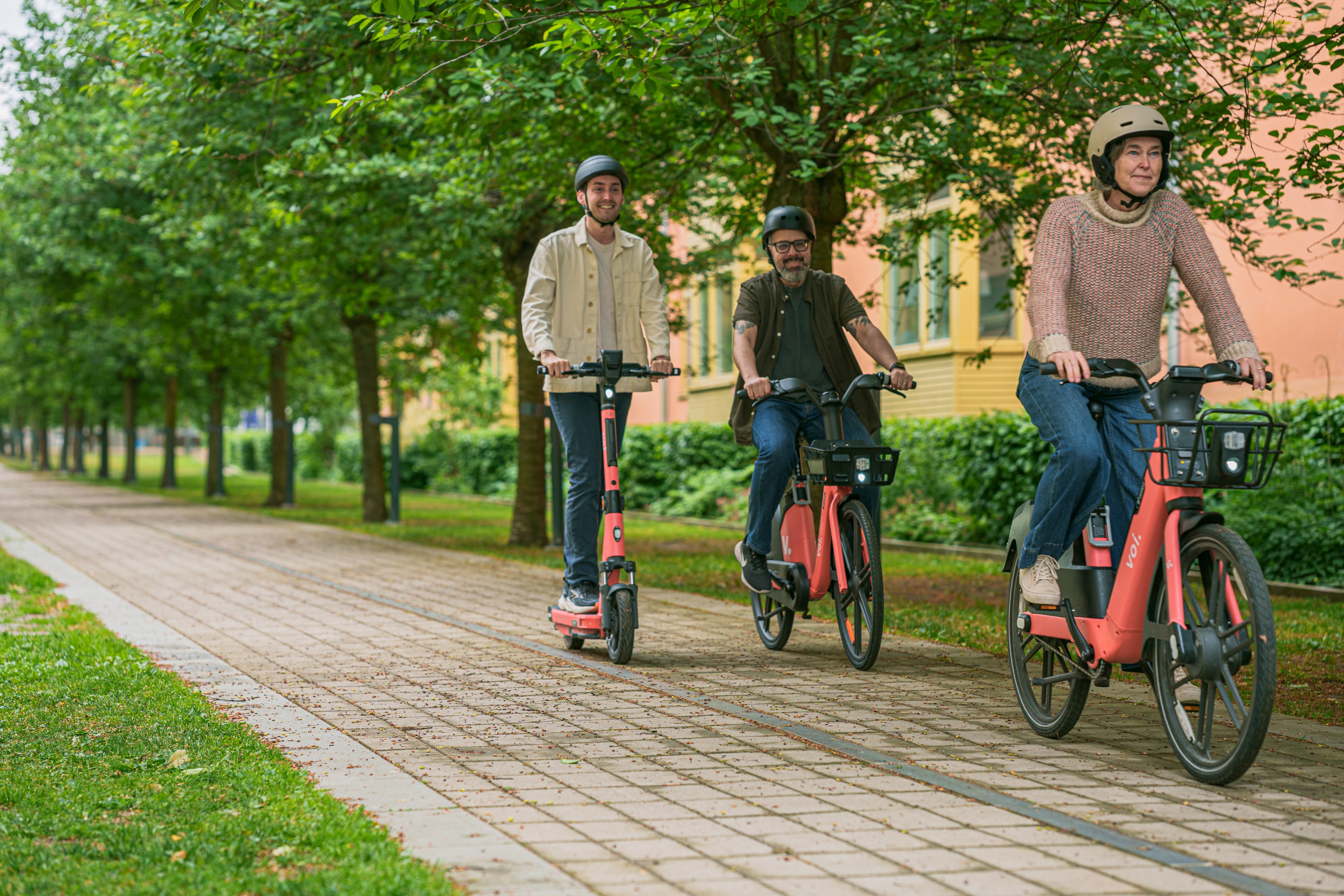
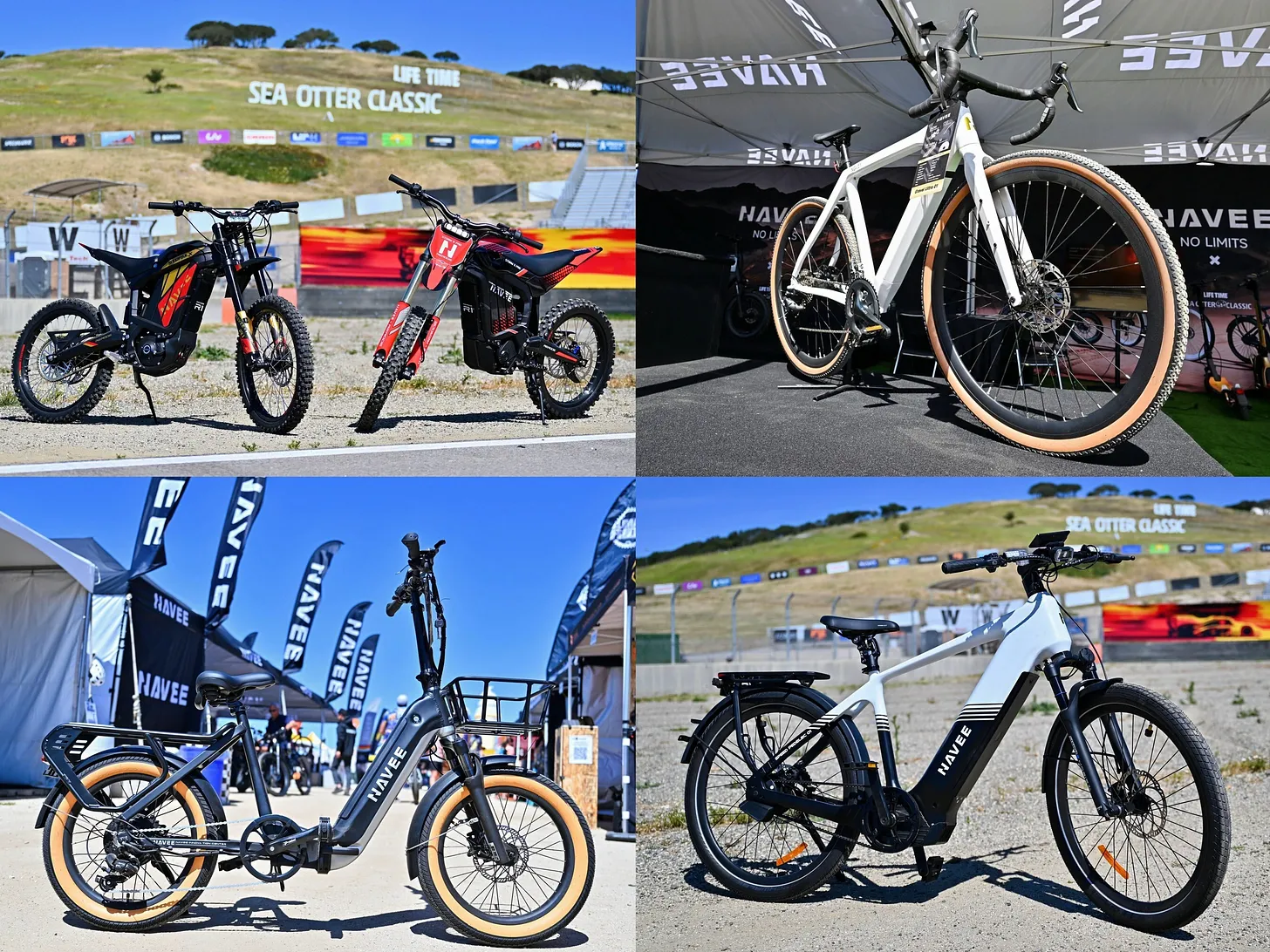
Join McKinsey, Rivian’s ALSO, Lyft Urban Solutions, RYDE, Voi, Lime, Dott, NextBike, POLIS, Urban Sharing, Navee, CityFi, VMAX, Minimal, Microlino, and many others!
Everything you need to know about Micromobility America | Nov 11-12 | Palace of Fine Arts, SFO - CHECK HERE!
What You Need to Know Today
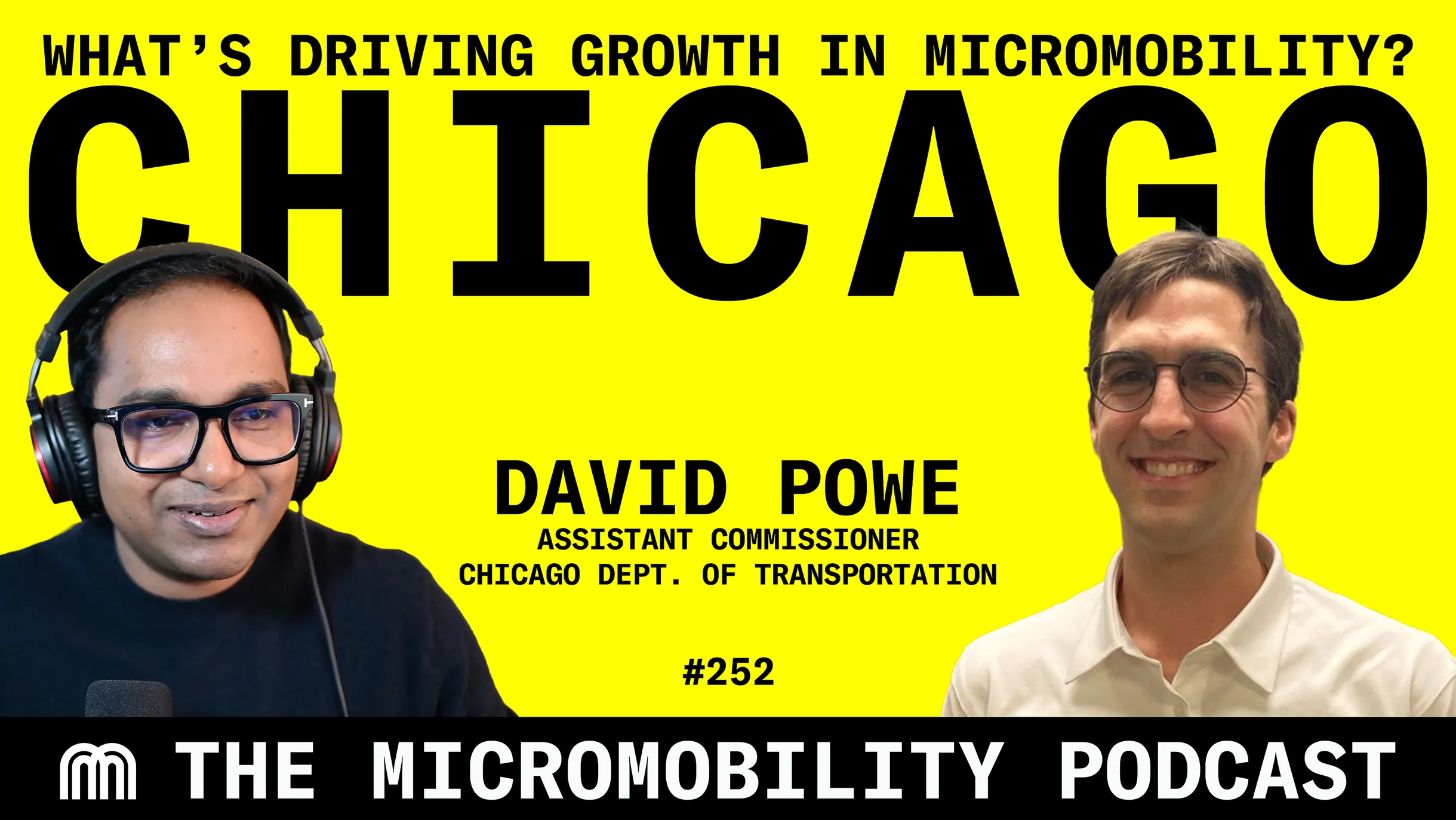
What’s Driving Shared Micromobility Growth in Chicago? with David Powe, Asst. Commissioner - CDOT
%20(1).png)
In this episode of the Micromobility Podcast, Prabin Joel Jones speaks with David Powe, Assistant Commissioner at the Chicago Department of Transportation, about how Chicago is scaling micromobility across the city.
Heads up! Our podcast has a new dock on YouTube, Apple, and Spotify. Make sure to resubscribe so you don’t miss out. Stay Tuned!!!
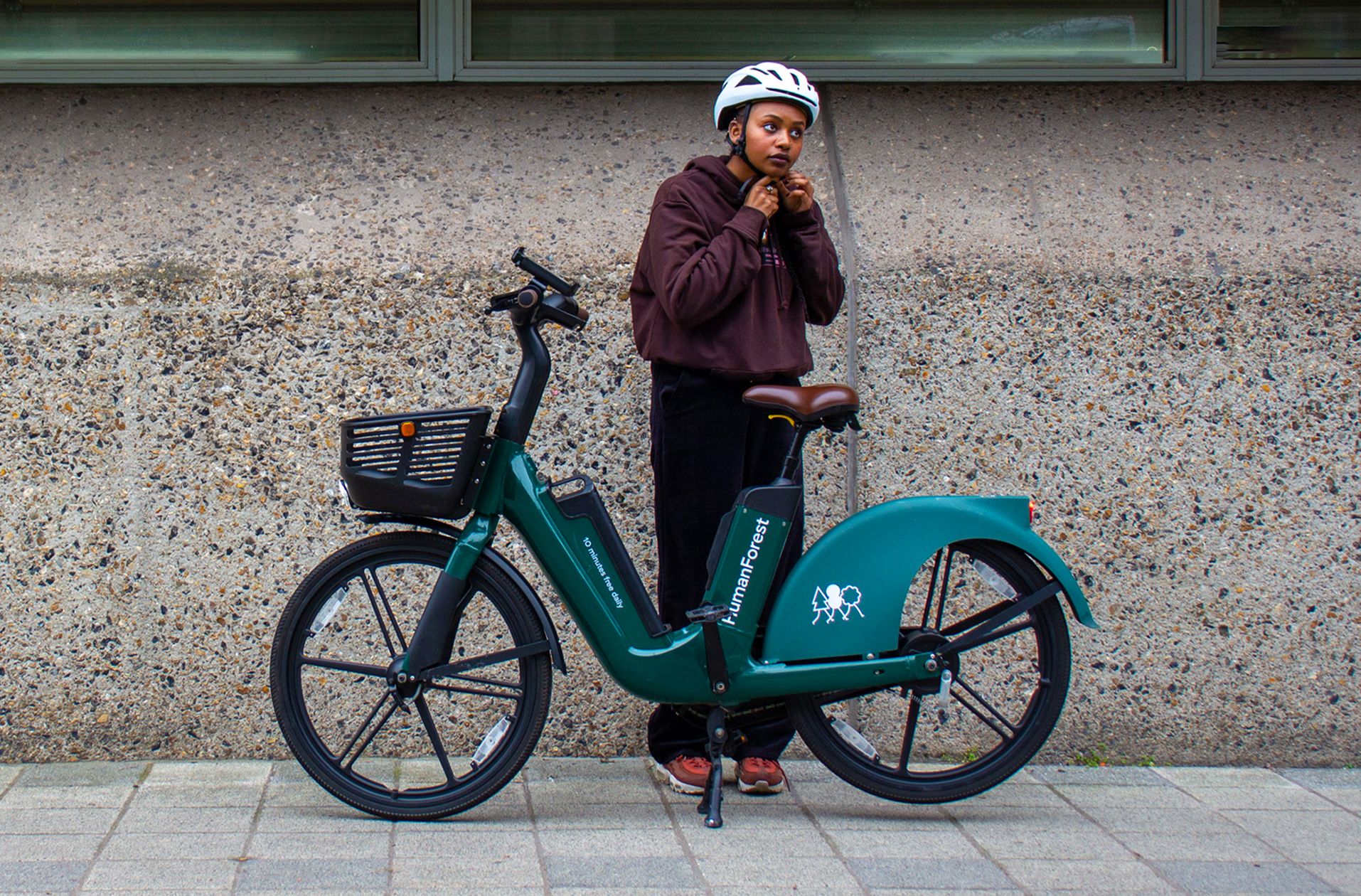
Forest Raises £27M, Taking Series B Total to £40M
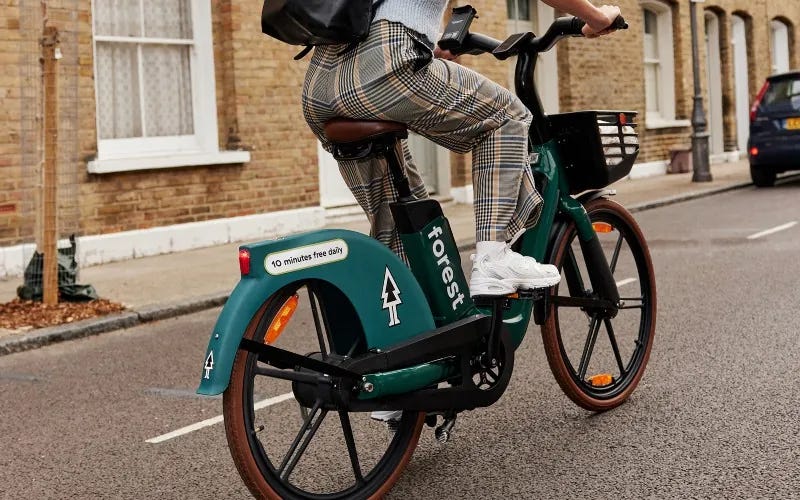
London e-bike operator Forest secured a further £27m in funding, taking its total Series B round to £40m. The company has grown rapidly, reaching 1.5m users and delivering 2m rides per month across 18 London boroughs, establishing itself as a market leader in the city’s shared e-bike sector. The funding will support continued investment in cycling infrastructure, technology, and safety improvements. As part of the round, e-bike manufacturer OKAI has taken a minority stake, forming a strategic partnership to co-develop Forest’s fleet.
Citi Bike at a Turning Point
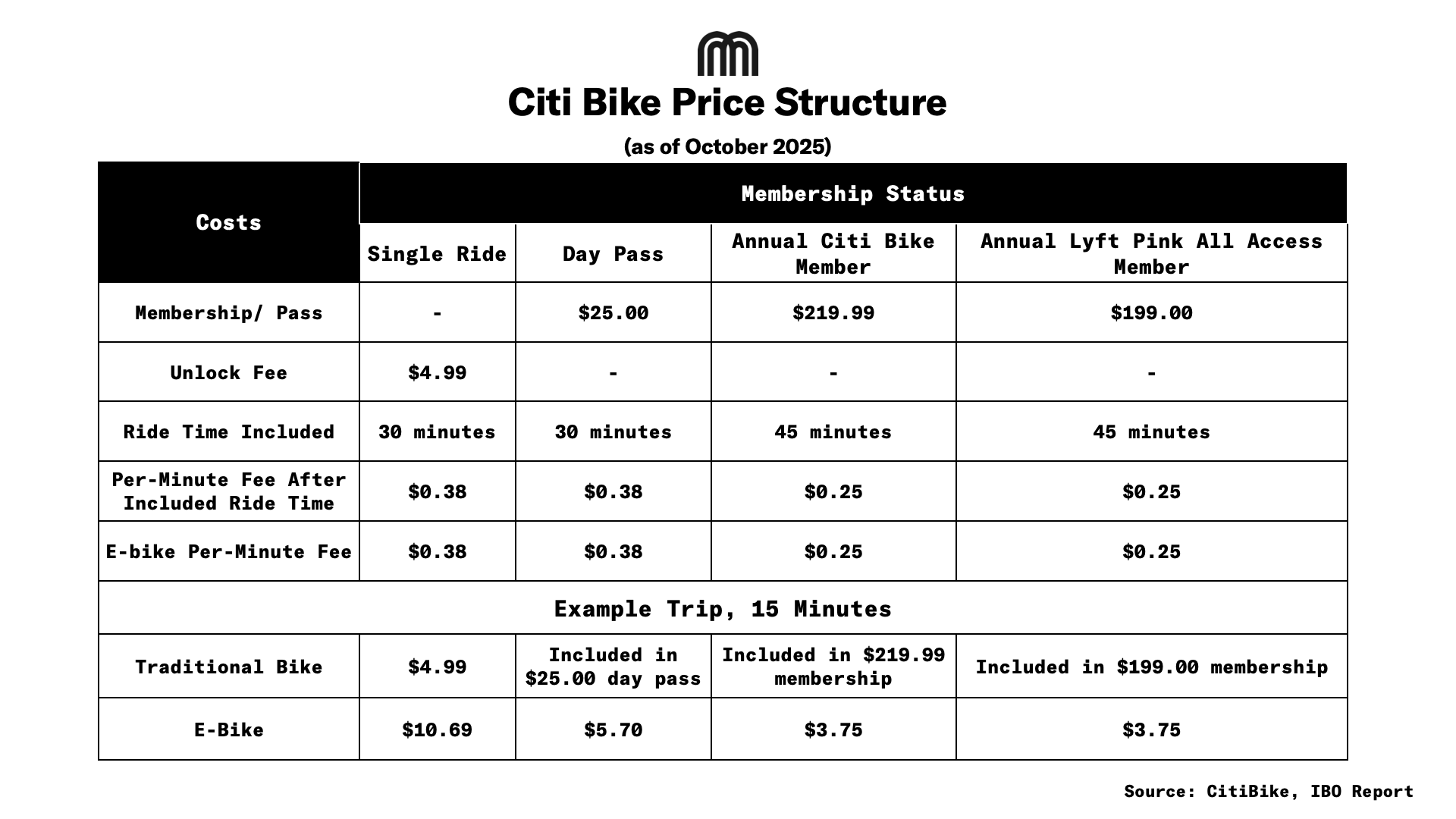
Citi Bike, the largest bikeshare system in the U.S., is approaching a turning point as its current contract with Lyft expires in 2029. Since launching in 2013, the system has grown to 37k bikes and 44m annual rides, operating under a fully private, no-subsidy model. While this approach has enabled rapid expansion, it has also led to higher prices compared to other global systems, with annual memberships now at $220. As the city evaluates next steps, whether to renew, switch operators, or introduce subsidies, the key challenge will be balancing scale, affordability, and long-term sustainability.

- Santa Barbara sees growing e-bike adoption as residents switch from cars to save on fuel and parking costs amid rising gas prices.
- League of American Bicyclists, National Bicycle Dealers Association, and PeopleForBikes team up to push consistent e-bike regulations.
- Martin County ramps up enforcement on illegal e-bikes, towing vehicles and targeting reckless riding after rising complaints and crashes.
- Nassau County, in New York, proposes measures to prevent unfair fines and confiscations of e-bikes and e-scooters amid crackdowns.
- Texas is tightening enforcement as most dirt bikes stay illegal on roads, with only ≤750W/28 mph e-bikes allowed, with fines up to ~$470.
- Main Street Capital (MAIN) has closed a $40m debt-and-equity deal in Shift Transit, the Chicago-based operator managing 85k+ bikeshare and scooter assets across North America.
- Segway is crowdsourcing input for its upcoming Xaber 300 electric dirt bike, aiming to refine a model positioned to rival 150–300cc gas bikes before launch.
- Stellantis and Crédit Agricole du Maroc are partnering to finance electric utility vehicles like the Fiat Tris to expand rural mobility in Morocco.
- INOKIM launches a new lineup of e-scooters and e-bikes with built-in smart displays, GPS, and connectivity, featuring UL2272 certification as it pushes into safer, software-driven micromobility.
- Edmonton Councillor Aaron Paquette is pushing for geo-fenced mandatory parking zones for e-scooters that keep charging riders until they dock properly.
- Amazon expands cargo-bike logistics with a third Berlin microhub, targeting ~2m annual deliveries as it scales van-free last mile.
Hawaii Proposes Mandatory E-Bike Registration Law
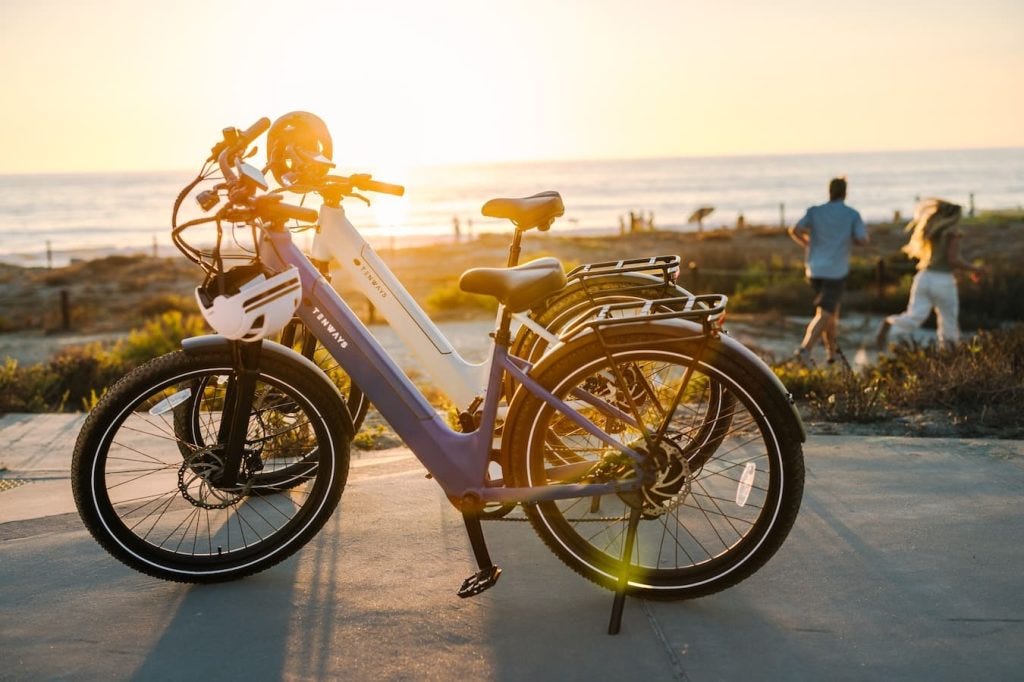
Hawaii is moving toward mandatory registration for all e-bikes, with a proposed one-time $30 fee as part of a broader push to regulate micromobility. The bill aligns with the standard three-class e-bike system but introduces stricter rules, including a new category for high-speed electric devices (over 750W or 28 mph), which could be banned from public roads and bike paths. It also expands enforcement powers, allowing authorities to confiscate unregistered or illegal devices, while adding safety measures like lower sidewalk speed limits, stricter helmet rules, and clearer usage guidelines.
Tern Partners with BikeInsure for E-Bike Insurance
Tern Bicycles, a global brand known for cargo and urban utility e-bikes, has partnered with BikeInsure, a company specializing in dedicated bike and e-bike insurance, to offer protection plans for its customers. The multi-year agreement gives Tern riders access to opt-in coverage for theft, transit damage, and accidents, areas typically not covered by standard warranties or home insurance. The move addresses a growing gap as high-value e-bikes become primary transport, offering riders faster claims, low deductibles, and added financial security.

- A 2025 peer-reviewed study examined the impact of road safety advertising on prosocial driving behaviour, using an online experimental survey. The authors find that while exposure to certain advertisements can increase drivers’ intentions to behave more considerately, the effects are limited and vary across messages. Behavioural factors such as attitudes, perceived behavioural control, and moral norms play a significant role in shaping responses, highlighting the complexity of influencing safer driving behaviour through communication campaigns.
- Full paper: Examining the effects of road safety advertising that encourages positive, prosocial driving behaviours.
- Authors: Ioni Lewis, David Rodwell, Nyree Gordon, Melinda McDonald (2025)
- A 2025 peer-reviewed meta-analysis of around 100 studies across Europe, North America, and Oceania finds that e-scooters most commonly replace active transportation modes such as walking and cycling. Substitution of cars and public transit varies depending on local transport mode shares and urban characteristics. Using meta-regression, the study shows that replacement patterns are strongly influenced by baseline travel behaviour and city context, with results largely based on self-reported survey data. Overall, the findings highlight that the sustainability impact of e-scooters is highly context-dependent.
- Full paper: What proportions of different transport modes do e-scooters replace? A meta-analysis.
- Authors: Nils Fearnley, Knut Veisten (2025)
- A 2024 peer-reviewed study analyses how shared e-scooters integrate with public transport across 124 European cities using large-scale vehicle availability data and explainable machine learning. The authors find that integration levels vary widely across cities and exhibit distinct spatial and temporal patterns. City-level factors such as public transport station density and demographic characteristics show strong, non-linear effects, highlighting that the effectiveness of e-scooters as transit feeders is highly dependent on local urban conditions.
- Full paper: Integrating shared e-scooters as the feeder to public transit: A comparative analysis of 124 European cities.
- Authors: Aoyong Li, Kun Gao, Pengxiang Zhao, Kay W. Axhausen (2024)
Shah Alam Locks In Micromobility Ahead of LRT3 Launch
Shah Alam City Council (MBSA) in Malaysia is formally embedding e-scooters and electric bicycles into its city planning framework, upgrading what began as a 2023 National Regulatory Sandbox trial into permanent pilot zones across the city centre and Sections 4, 5, 6 and 7. With the LRT3 line expected to launch in June, MBSA is aligning micromobility infrastructure with upcoming stations through transit-oriented development, last-mile feeder services, and developer partnerships, while MIROS uses the zones to craft Malaysia’s first national guidelines for micromobility on public roads.
JackRabbit’s Ultra-light Cargo E-Bike with 10x Payload
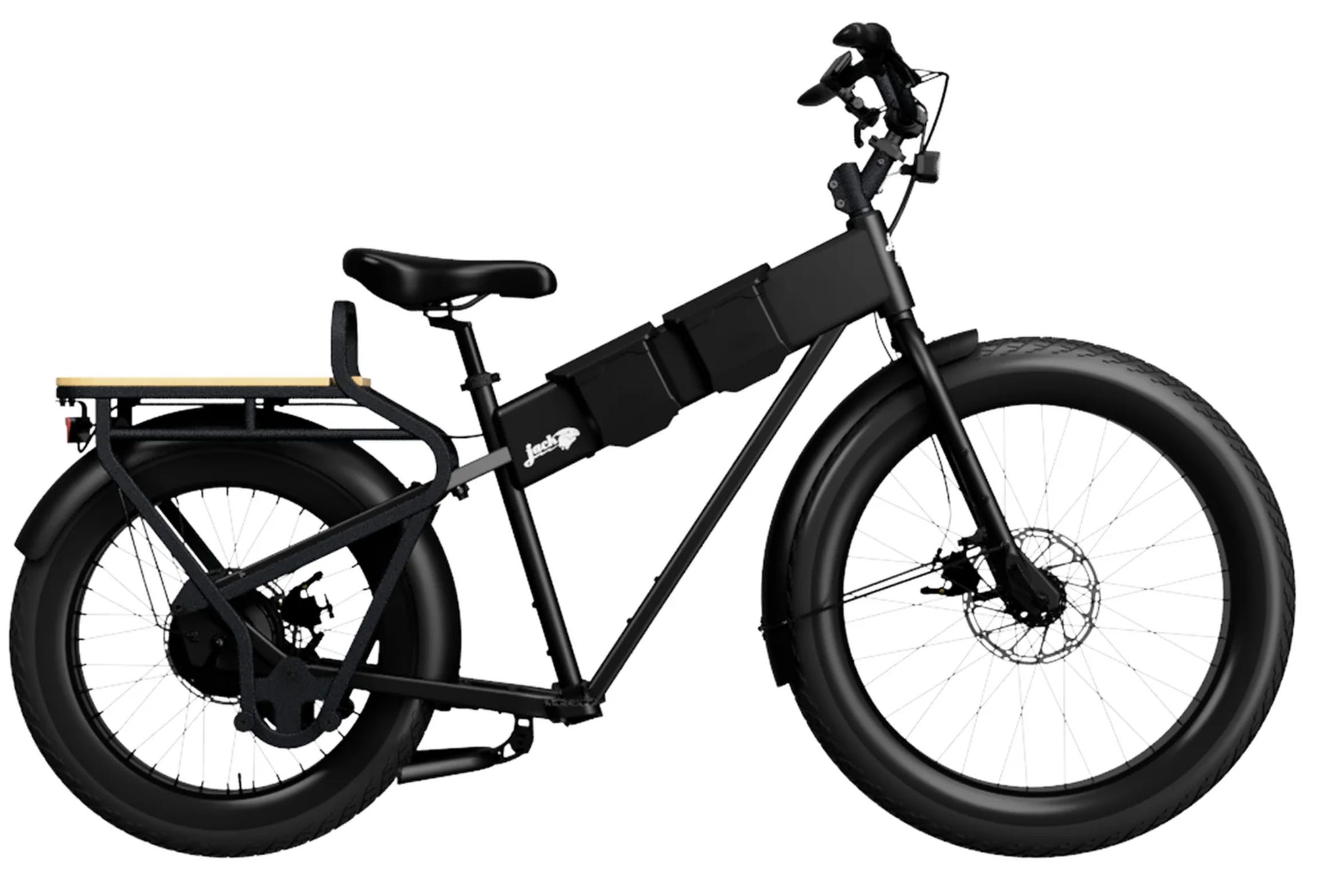
US-based micromobility company JackRabbit, known for its compact, minimalist electric bikes, has introduced the MG Cargo, an ultra-light cargo e-bike that weighs just ~25 kg yet can carry up to 225 kg (nearly 10x its own weight). Designed with a compact, BMX-style frame and a folding mechanism that reduces it to just ~8 inches wide, the bike aims to solve the bulk and storage challenges typical of cargo e-bikes while maintaining strong utility. It features a 749W motor, up to 77 km range with dual swappable batteries, and a top speed of 32 km/h (24 mph off-road), along with modular accessories like racks and passenger kits, positioning it as a practical, space-efficient alternative for urban transport and light logistics.
Cover image credits: Forest
Hey! Want to collaborate on an article or a deep dive?
Write to us at hello@micromobility.io - we’ve got a reach of 80k+ subscribers ready to read you.
Get yourself out there, grab ad slots that actually get noticed, and be seen by people who care
Got your micromobility moment to share? Email us at press@micromobility.io
Loving the vibe? Hop on and ride with us! Subscribe!