.svg)
%2Bcopy.avif)

.avif)
.svg)

.jpg)
%20(1).jpeg)
.jpg)


.webp)

Shimano concluded 2025 with a slight rise in bicycle component sales, even as higher costs and shifting market dynamics weighed on its bottom line. For the full year, the bicycle segment generated €2.1B in net sales, marking a 2.7% increase compared to 2024. However, operating income for the division dropped 20.9%, falling to €254m.
A Stronger Finish in Q4
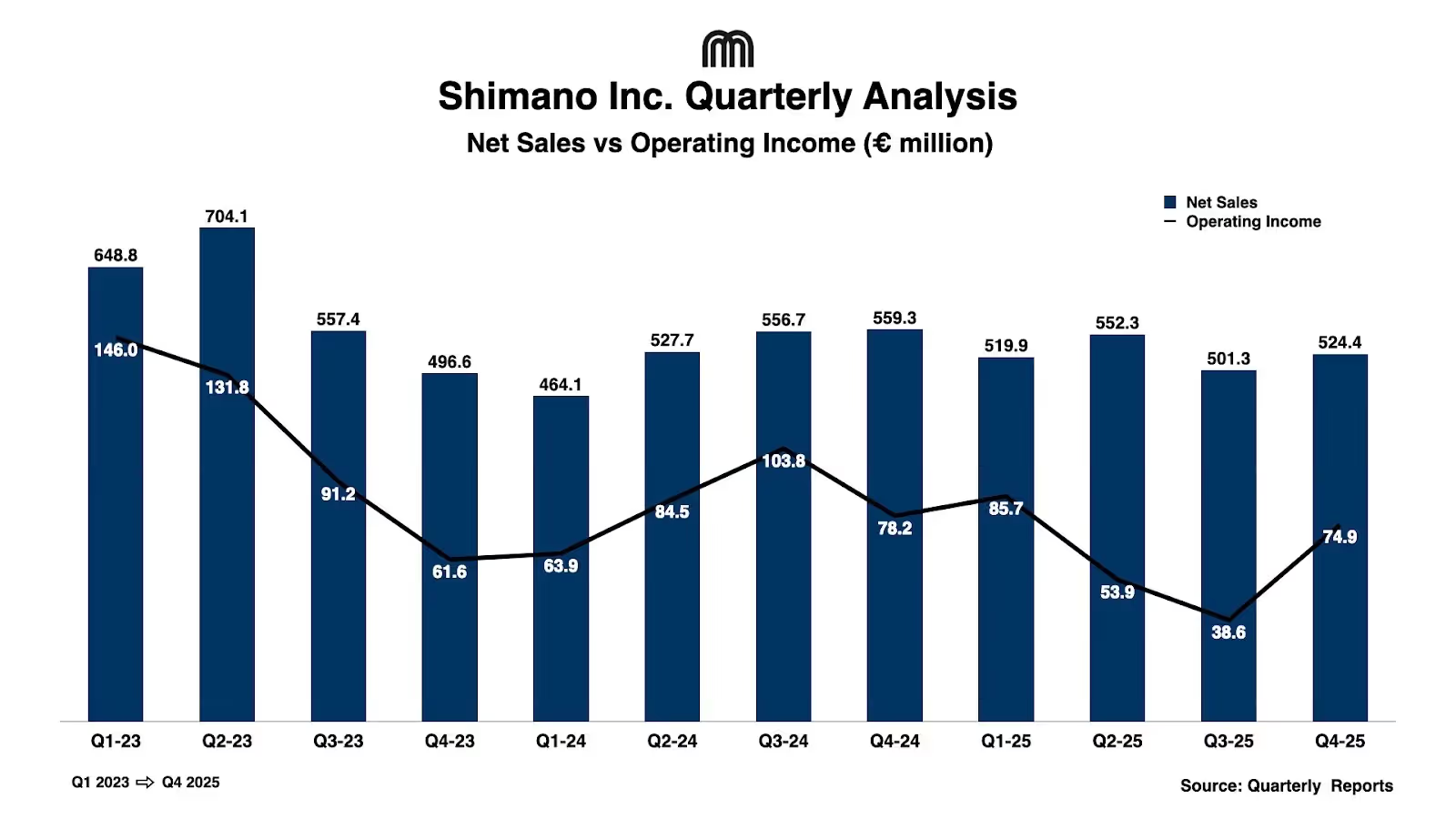
The final quarter of 2025 brought some momentum to the company. Between October and December (Q4), Shimano’s bicycle sales reached €524.4m. This performance outpaced the €501.3m recorded in the third quarter. Operating income also saw a significant recovery in the final months, jumping from €38.6m in Q3 to €74.9m in Q4.
Regional Performance and Inventory Challenges
The global market presented a divided picture for Shimano in 2025.
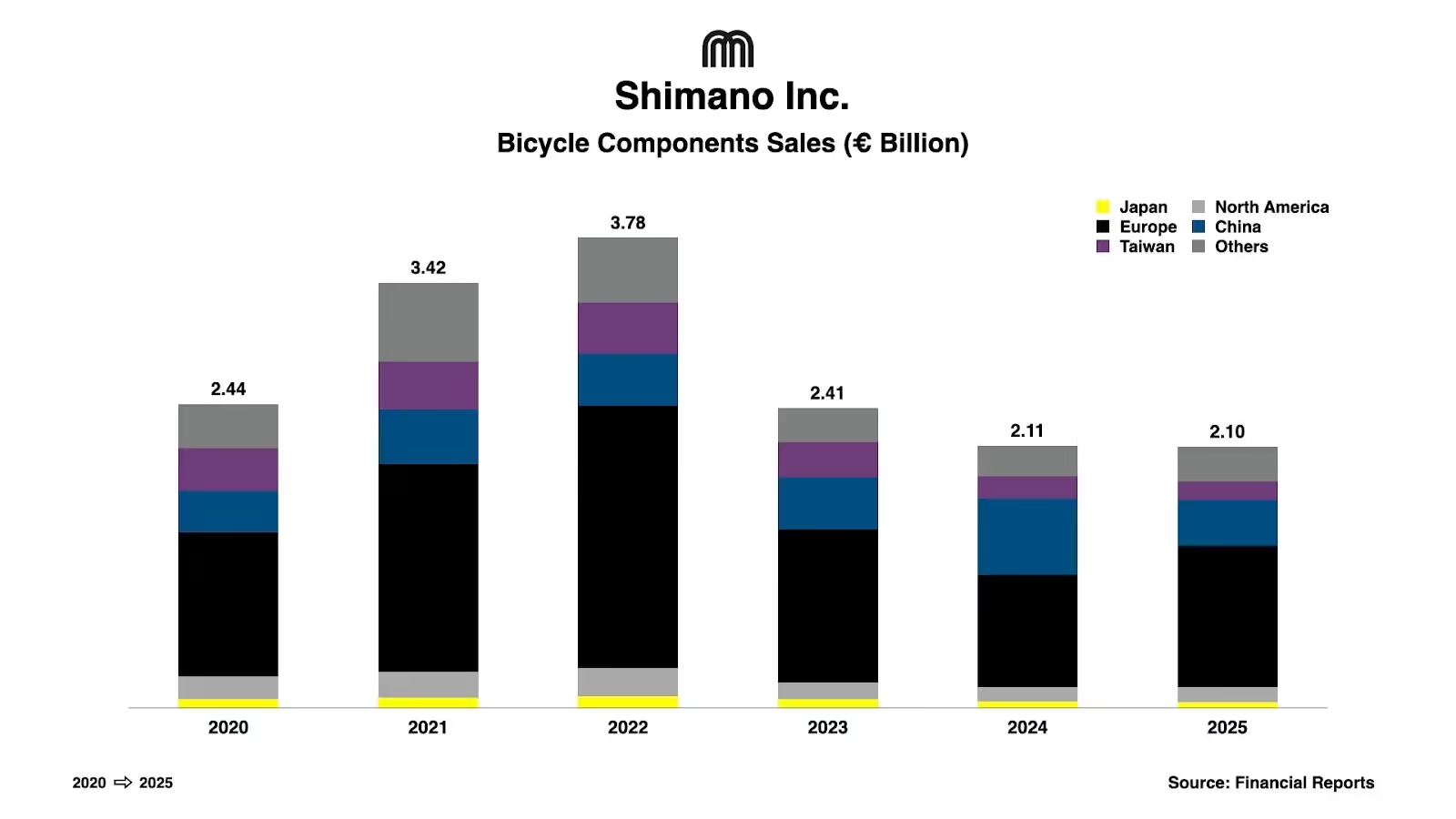
Europe continued to drive the bulk of sales, contributing €1.14B. Favorable weather across the region encouraged people to buy completed bicycles, which kept retail sales steady throughout the year. Despite this movement, the supply chain still carries a heavy load, as inventory levels in European channels remain high
The situation in China shifted significantly as sales fell to €370.4m, a steep drop from the €596.8m earned the previous year. While many people still view cycling as a popular sport, the initial surge in demand for road bikes started to cool off. This shift affected retail sales and left warehouses with a surplus of unsold bicycles.
In North America and Japan, economic factors played a larger role in slowing down the market. North American sales totaled €119.1m, hampered by consumer hesitation amid financial uncertainty. Japan followed a similar path, where sales dipped to €45.4m as soaring prices for finished bicycles discouraged local buyers. However, both regions managed to keep their stock levels under control, maintaining appropriate amounts of inventory.
Performance across other global markets varied. In Oceania, a slow start eventually gave way to strong sales and healthy inventory levels. Conversely, markets in other parts of Asia, as well as Central and South America, struggled with weak consumer spending. Even with these slower sales, these regions successfully balanced their inventories to stay at manageable levels.
Innovation and Legal Settlements
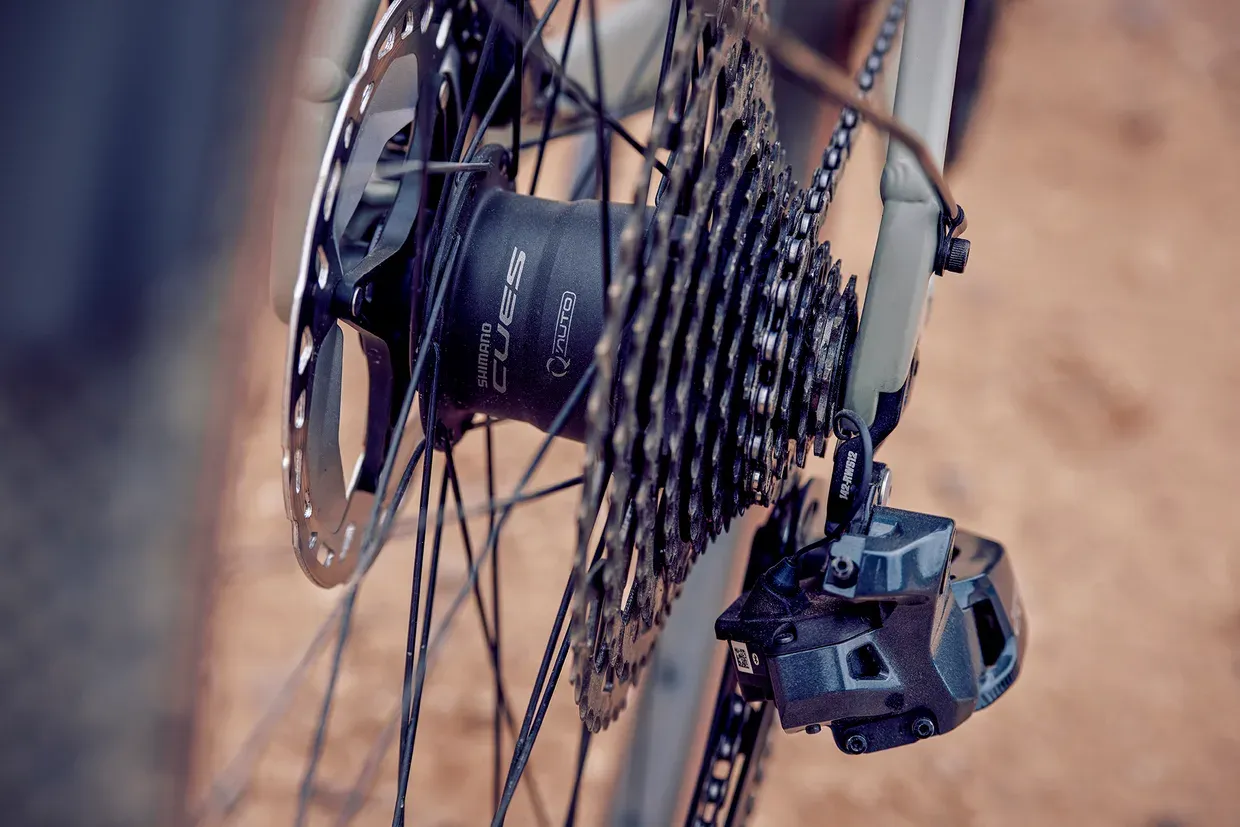
Shimano continues to lean on new technology to stabilize its market position. The industry reacted positively to the Q’AUTO system, a self-powered automatic shifting hub that uses a dynamo to eliminate the need for batteries. High-end mountain bike groupsets, including the XTR, DEORE XT, and DEORE series, also maintained steady interest among riders.
On the legal front, a California court recently approved a class-action settlement regarding the Hollowtech II crankset recall. A crankset is the core part of a bike that connects the pedals to the chain, turning your leg power into the motion that moves the bike forward. This legal case follows a massive voluntary recall from late 2023 that affected roughly 760k high-end Dura-Ace and Ultegra road cranksets in the U.S.. These specific models, manufactured before July 2019, were prone to breaking or "delaminating",where the bonded parts of the crank arm separate. Under the new agreement, Shimano will provide consumers an extra two years of warranty coverage for these issues. The company also promised to provide retailers with specialized magnifying tools and better training to improve how they inspect affected bikes.
Beyond product sales, Shimano expanded its Trail Born Initiative, a 10-year, $10m commitment to trail advocacy. Shimano launched this program in 2024 to help local groups pay for the high costs of building and maintaining mountain bike trails, which can be very expensive, often costing between $10k and $45k per mile. By directly funding infrastructure and trail-building organizations, the company aims to ensure the sport grows responsibly for future generations. In 2026, the program will fund 19 new projects, moving into South America for the first time while expanding its reach across Asia and Europe.
What's Next for Shimano
Shimano expects 2026 to be another year of adjustment. The company forecasts that bicycle component sales will slip roughly 1.4%, totaling €2.07B for the full year. Operating income for the segment is also expected to contract further, with a target of €230.5m. Management intends to navigate these challenges by focusing on "captivating products" while closely tracking a global economy influenced by geopolitical risks and changing trade policies.
Image credit: Shimano