.svg)
%2Bcopy.avif)


.svg)

.jpg)
%20(1).jpeg)
.jpg)


.webp)

From fresh rides to bold takeovers! Micromobility Weekly is your pit stop for the industry’s sharpest twists, turns, and takeovers.
Got Your Micromobility Moment To Share? Email - press@micromobility.io
Hooked but not subscribed? 👀 Now’s the time. You’ll thank yourself later.
Micromobility Europe 2026

Micromobility Europe returns to Berlin in 2026!
Join us June 2–3, 2026, at Arena Berlin for two days of high-energy keynotes, panels, demos, and hands-on networking with the brightest minds in micromobility.
New Year Sale on General Admission Tickets is live, for Just €349 - Limited Time Offer!
New Year Sale ends on Jan 31. Grab the tickets soon!
[Sponsor/Exhibit] | [Speak at the Event] | [Exhibit as a Startup]
Spots are filling fast! Secure yours today and be part of Europe’s bespoke event for all things micromobility.
Check Micromobility America 2026 (November 11-12) here
What You Need to Know Today
Fomee - Startup Arena MME 2025
At Micromobility Europe 2025, Jaromír Strašák and David Strašák, Co-founders of Fomee, introduced a new mobility concept designed to create an entirely new market category.
Fomee is a smart electric trolley that follows a person, automatically, without GPS or complex external systems. The concept is built to reduce physical load, free up hands, and encourage healthy walking while supporting everyday tasks.
The session includes a live Q&A covering regulation, market size, team structure, and funding strategy.
Cold Weather and the Hard Limits of Micromobility Batteries
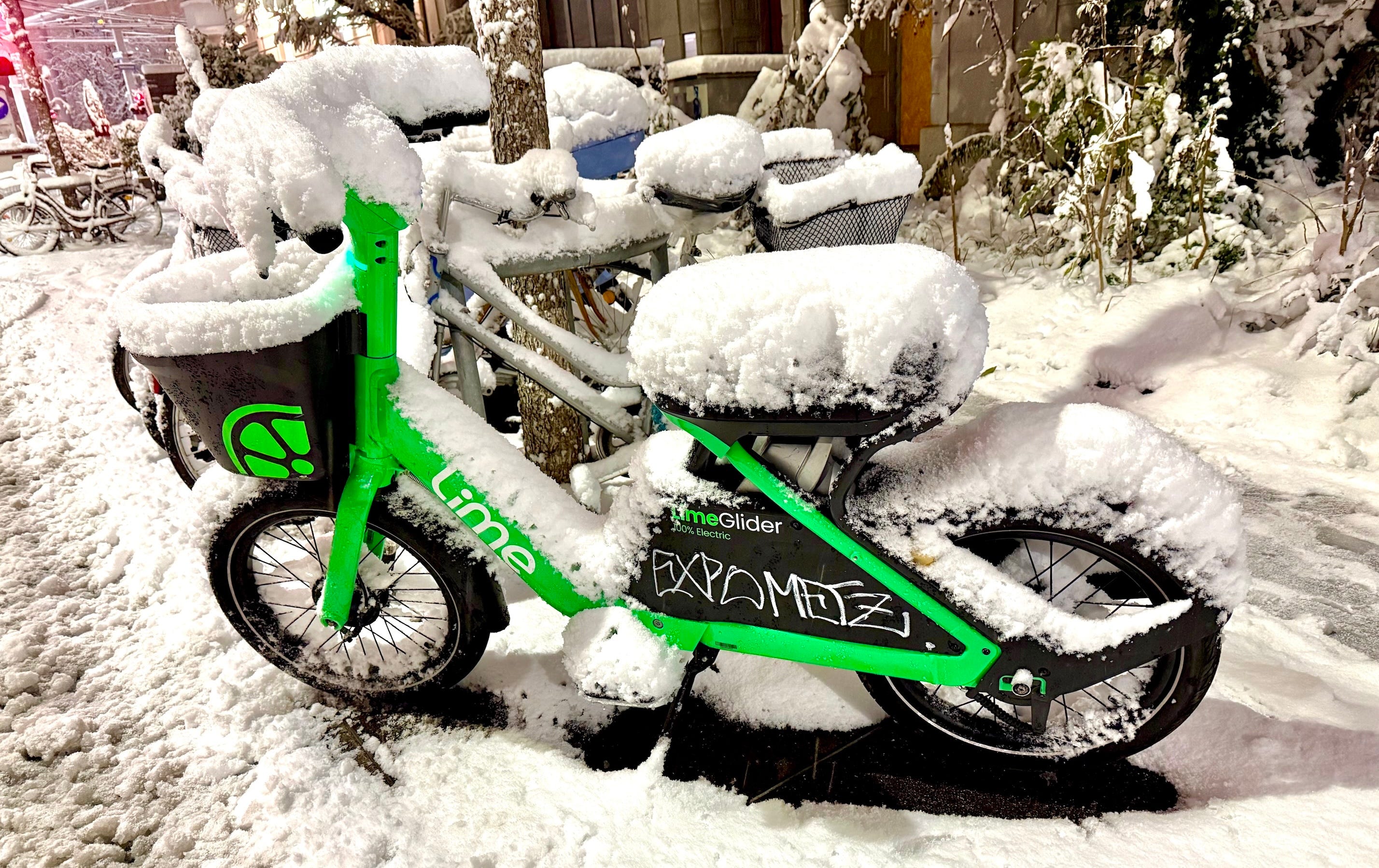
Cold temperatures significantly reduce lithium-ion battery performance in micromobility vehicles, cutting usable range by 20–50% and increasing the risk of inaccurate charge readings and unexpected shutdowns. Charging below 0°C can cause permanent damage, making winter a critical challenge that software alone cannot solve.
Operators and manufacturers rely on Battery Management Systems to control charging, limit power draw, and protect battery health, while insulation and limited heating offer only partial relief. Operationally, winter leads to slower charging cycles, reduced fleet availability, higher maintenance effort, and lower revenue per vehicle. Ultimately, battery chemistry sets hard limits that define how reliably micromobility fleets can operate in cold conditions.
Thanks to Laura Ross (Lime), Matthieu Faure (Dott), Navee, OKAI, Olivier Hébert (Vanmoof) and Andrew Miles for contributing your thoughts!
Rad Power Bikes Shuts Vancouver, Florida Stores
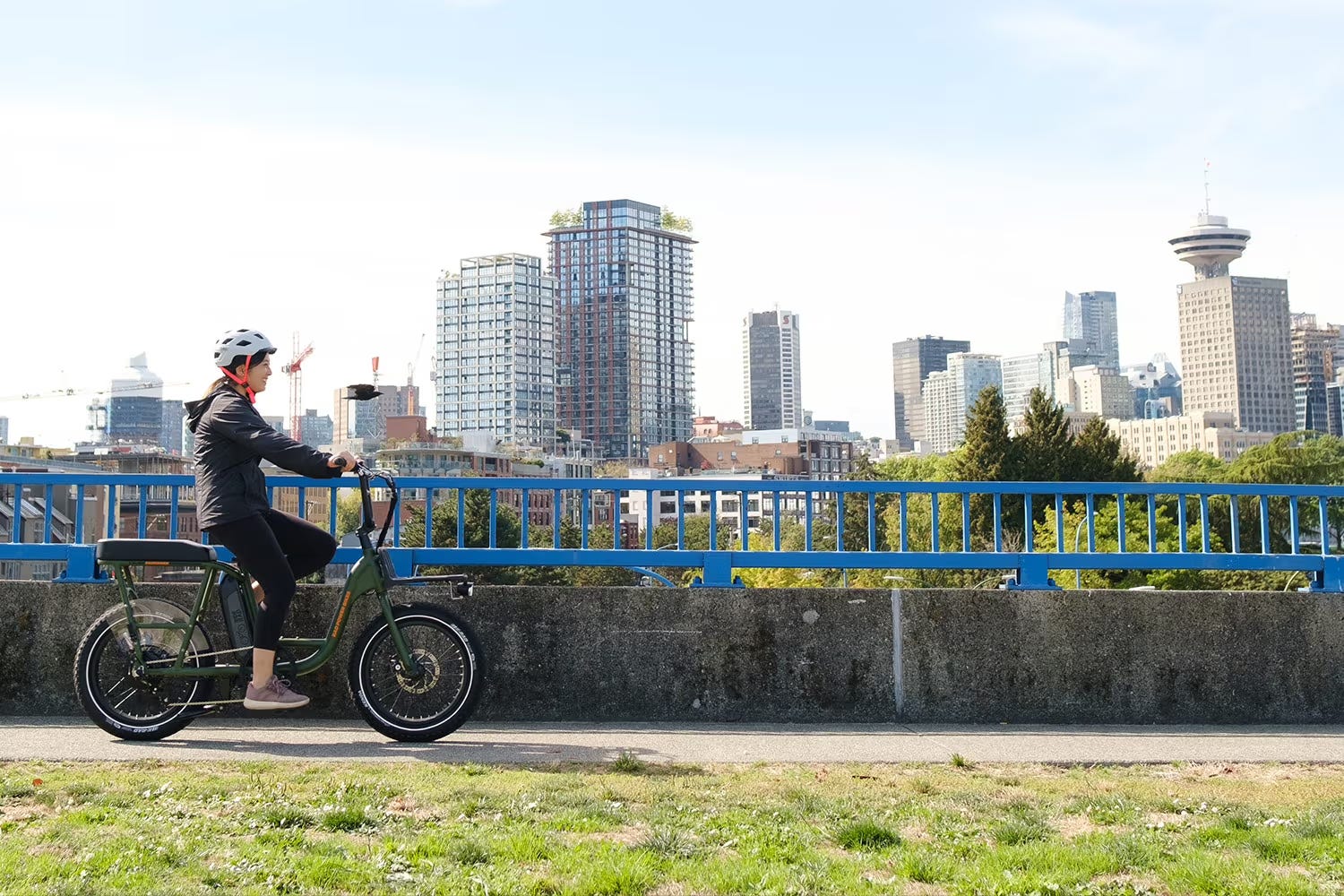
Rad Power Bikes is closing its retail stores in Vancouver, British Columbia and St. Petersburg, Florida, as the Seattle-based e-bike maker navigates Chapter 11 bankruptcy proceedings. The company confirmed that seven stores will remain open across the U.S., including Seattle, multiple locations in California, Denver, and Salt Lake City.
Once valued at $1.65B after raising over $300m during the pandemic-driven e-bike boom, Rad has faced years of financial strain and repeated layoffs. The company is now seeking a buyer in an effort to keep the brand operating.
UK Plans New E-Scooter Laws
The UK government has confirmed plans to introduce new legislation to regulate e-scooters and other micromobility vehicles, responding to growing public concern over safety and enforcement. Ministers told Parliament that a full regulatory framework will be brought forward later this year, subject to public consultation. As part of the approach, rental e-scooter trials have been extended until May 2028, allowing more time to gather evidence on safety, accessibility, particularly for disabled pedestrians, and how e-scooters integrate with existing transport networks. Potential measures under consideration include vehicle registration or licence plates, as the government works toward clearer, nationwide rules for micromobility.
India’s Electric Two-Wheeler Market: Surge to Reset
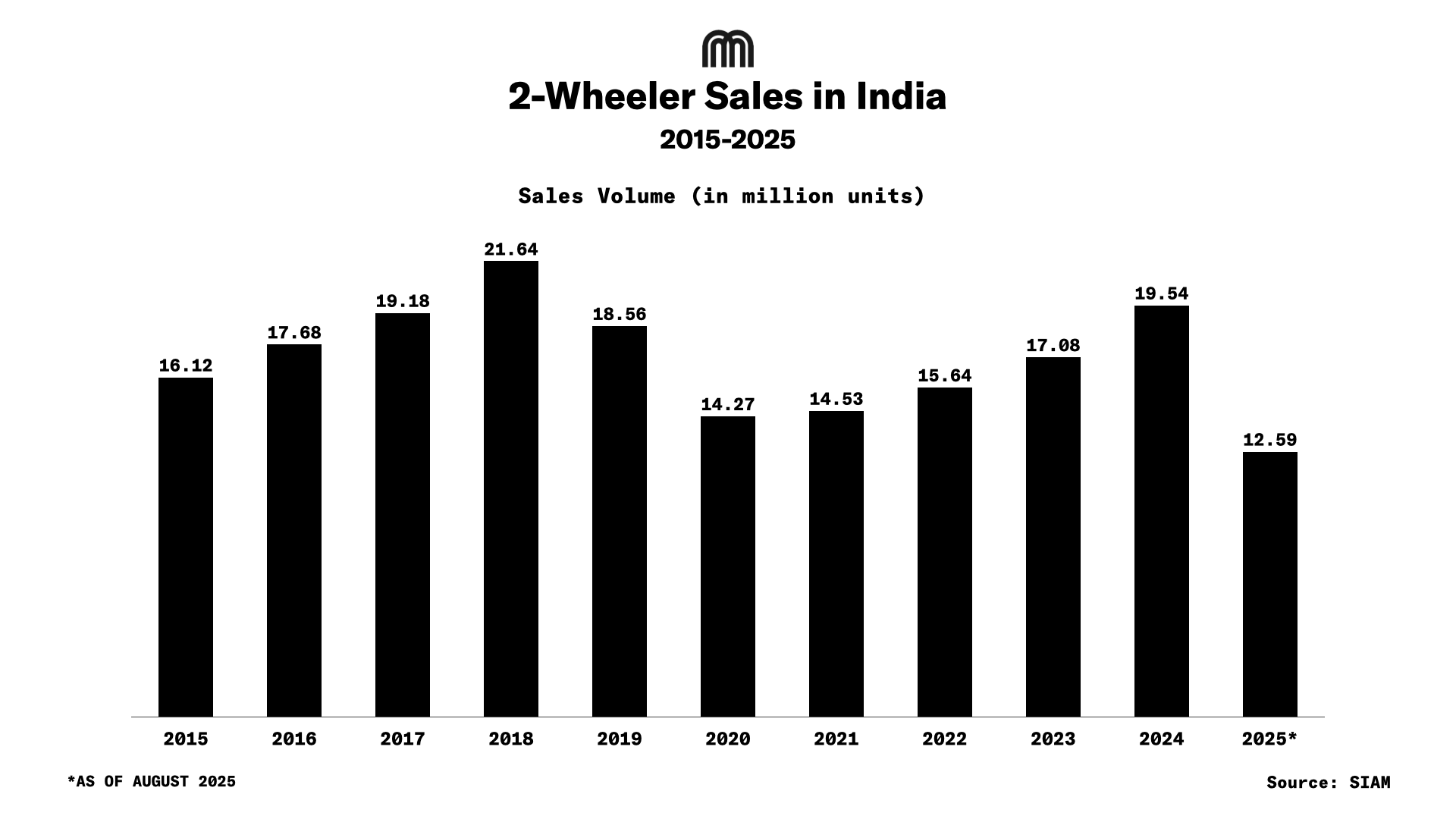
India’s electric two-wheeler (e-2W) market has shifted from subsidy-led hypergrowth to a more competitive, market-driven phase. After a 305% jump in 2022 driven by FAME-II incentives, annual sales crossed 1m units and reached a record ~1.28m in 2025, despite reduced subsidies and tougher competition. E-2Ws now make up ~6% of total two-wheeler sales, signalling firm adoption but significant headroom.
Market leadership has rotated toward legacy OEMs such as TVS Motor and Bajaj, and Bengaluru-based e-2W manufacturer Ather Energy, while Ola Electric’s sales fell sharply in 2025 following quality and service challenges. Looking ahead, growth will rely less on incentives and more on product reliability, pricing discipline, charging, and service network expansion beyond tier-1 cities, and consumer confidence, setting the stage for steadier, long-term adoption.
Washington Bikes Sets 2026 Agenda
Washington Bikes is outlining its 2026 legislative priorities, including protecting funding for bike infrastructure and safe-streets programs and advancing stronger safety policies. It supports State Senate Bill SB 5581 to strengthen complete-streets requirements and safe-streets grant conditions. The group also wants clearer regulation of high-speed electric motos masquerading as e-bikes.

- Portland, Oregon, US, will host a Bicycle Advisory Committee meeting on Jan. 13, 2026, focusing on bike safety, funding, and e-bikes.
- Authorities in China seized over A$2.4m in counterfeit bike components in a crackdown linked to AliExpress.
- Police in Royston, Hertfordshire, UK, are stepping up patrols to tackle illegal e-bike riding on pavements.
- Whistler, British Columbia, Canada, is modernizing public-space rules, including clearer regulations for e-bikes and e-scooters.
- Over 2.7k East Bay residents, California, US, bought e-bikes using rebates in the past six months.
- In Illinois, South Roxana seeks a pedestrian safety grant and tightens e-scooter/bike rules.
- Donkey Republic partners with ABG Sundal Collier to boost investor visibility, first report Q1 2026.
SoftBank Sells 2.15% Ola Electric Stake
SoftBank, through its investment arm SVF II Ostrich (DE) LLC, has sold a 2.15 % stake in Ola Electric Mobility via a series of open-market transactions between September 2025 and January 2026. The divestment reduced the stake from about 15.68 % to 13.53 % of the company’s equity.
Where Do Lime Scooter Trips End in San Francisco?
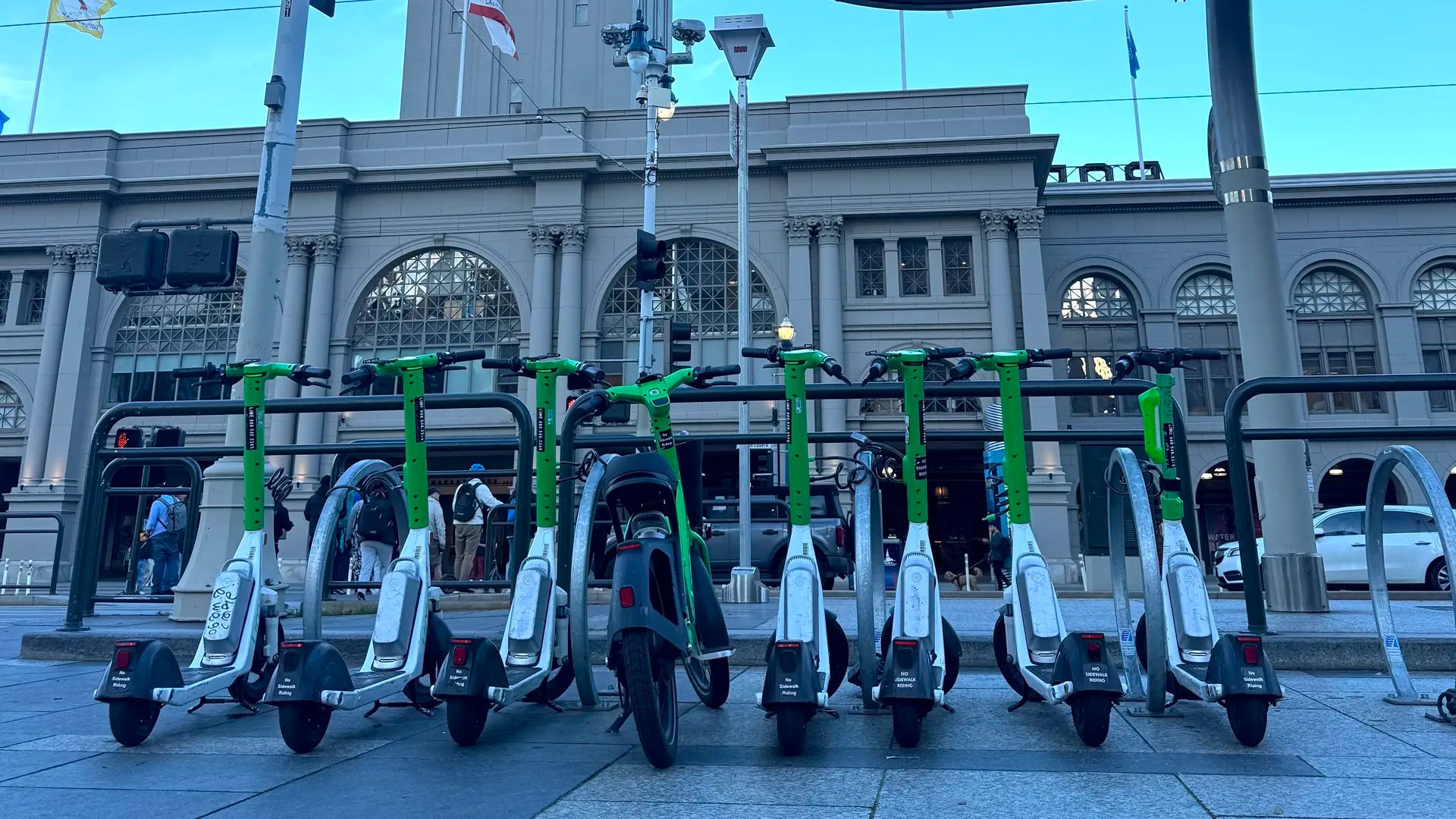
Most Lime scooter trips in San Francisco last year ended near major transit hubs and tourist destinations, highlighting micromobility’s role in first- and last-mile travel. Company data shows the top endpoints were Pier 39 (~11.2K trips), the Ferry Building (~11.1K), and the 4th and King Caltrain Station (~5.5K).
Lime ridership in the city more than doubled from 2024 to 2025. While the San Francisco Municipal Transportation Authority sees shared scooters as helping reduce car dependence and congestion, concerns remain around improper parking. The city is also evaluating Lime’s new seated scooter pilot as part of its evolving micromobility strategy.
Portugal Unveils €17.6M EV Incentives
Portugal has unveiled a €17.6m incentive programme aimed at boosting electric mobility nationwide. The funding supports purchases of electric cars, two-wheelers (including e-bikes and scooters), and charging infrastructure, with retroactive eligibility from January 1, 2025. Grants vary by vehicle type and include support for wallbox charger installations in multi-family residences. The programme is open until February 12, 2026, or until funds run out, and aims to accelerate transport decarbonization.
Evanston Plans Divvy Expansion
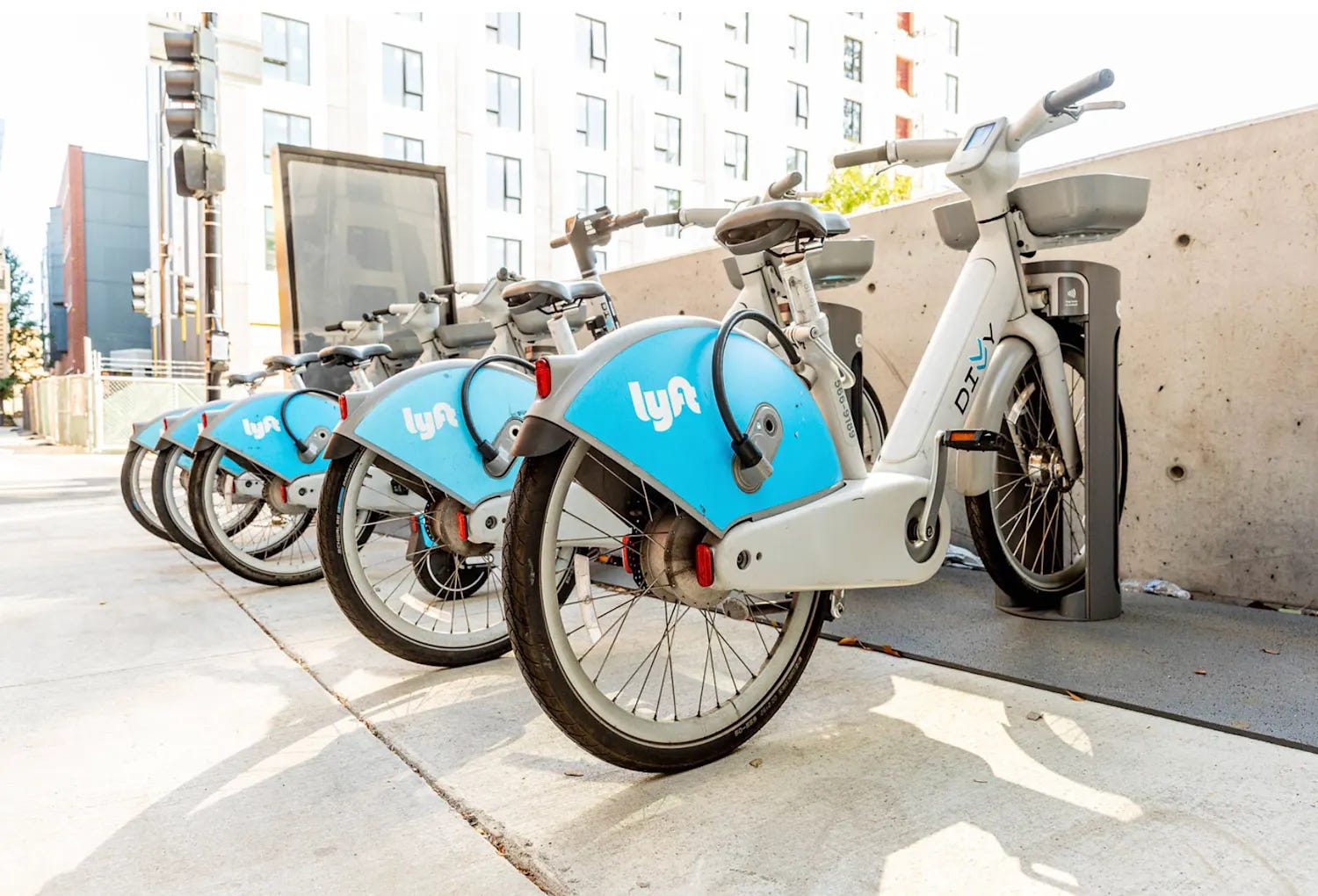
In Illinois, the Evanston City Council is set to consider expanding Divvy bike and scooter services later this month. The proposal includes 10 new docking stations, 50 e-scooters, and retrofitting all 10 existing stations for scooter docking. The $389k expansion would be partly funded by a Cook County grant, with the city covering the rest. The existing 14 stations will also be retrofitted to enable scooter docking, bringing the total number of stations in Evanston to 24.
Japan Cracks Down on E-Scooters
Luup and Japanese authorities are stepping up action after a surge in e-scooter accidents, driven largely by drunk riding. Nearly 18% of e-scooter crashes in early 2025 involved alcohol, a rate about 22 times higher than bicycles, with most incidents tied to shared scooters. Police are sharing violation data with operators, while Luup has introduced suspensions and late-night breathalyzer trials in Tokyo. Officials warn that stronger measures, including night-time service suspensions, may follow if risks persist.
Got your micromobility moment to share? Email us at press@micromobility.io
Loving the vibe? Hop on and ride with us! Subscribe!