London Part 1: The City’s Micromobility Story

Callum Booth
News
December 18, 2025

Subscribe

Welcome to Micromobility Pro, a bi-weekly publication which is part of The Micromobility Newsletter, where we deep-dive into the financials of micromobility companies and share exclusive insights tailored for professionals and members.

Contents:

  • Introduction
  • Phase 1 (2010-2017): The “Boris” bike era
  • Phase 2 (2017-2019): The bike litter crisis
  • Phase 3 (2020-today): The micromobility boom
  • Where we are today
  • The future of micromobility in London

Introduction
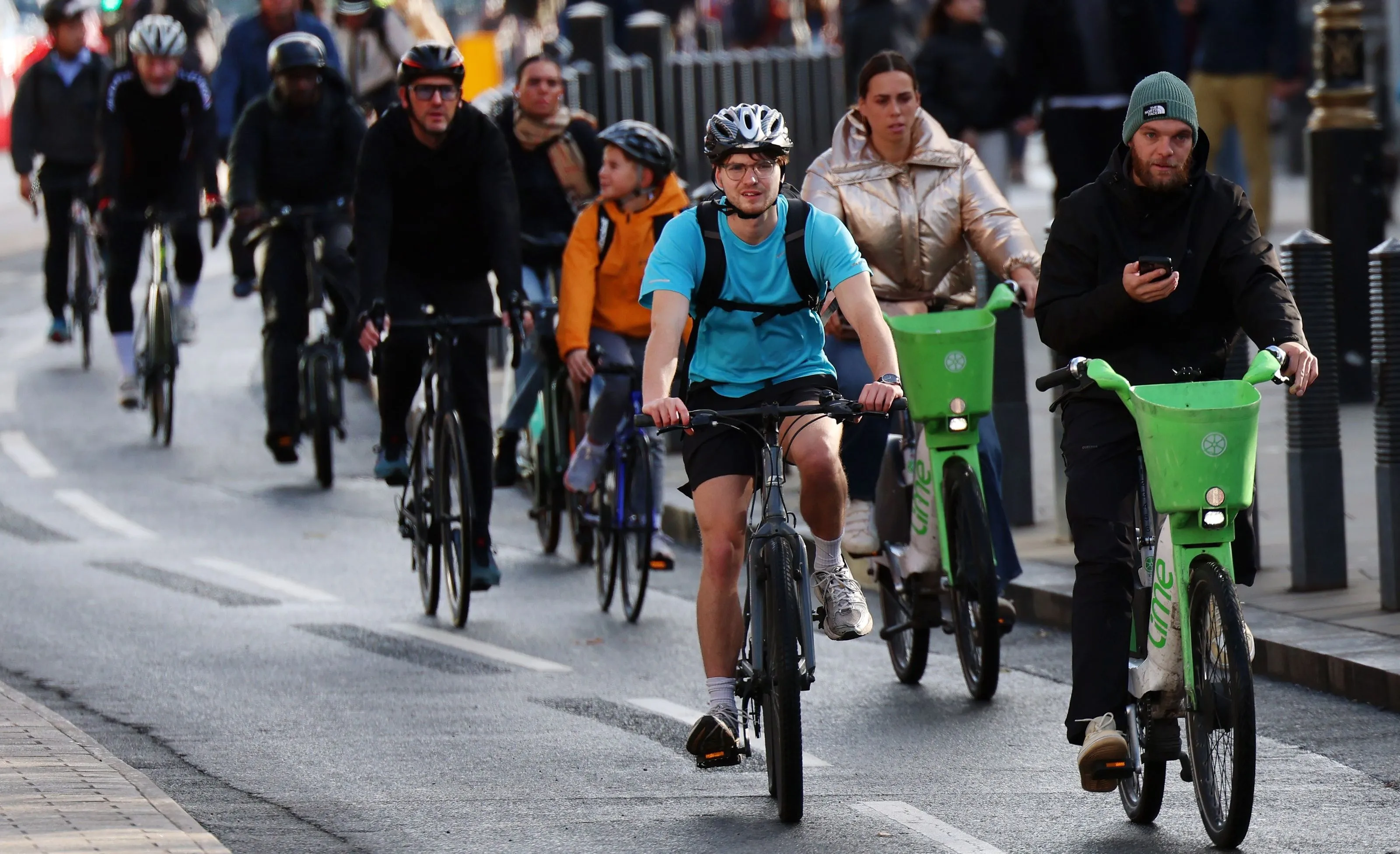
Image Credit: EPA

London is a true international city. It sits alongside other metropolises like New York or Tokyo as a place on the cutting edge of culture and progress. In other words, change is in its DNA. This means it’s cities like London that are the training grounds for emerging technologies — and micromobility is no exception.

Over the past 20 years, what people want and expect from cities has altered drastically. The internet made our lives easier in a myriad of ways, and we now expect that convenience in other parts of our lives. Movement is one. These days, many of us don’t want to sit in stuffy public transport for short journeys or suffer the inconvenience of “driving” a car that’s constantly stuck in traffic. Combine this desire for convenience with an increasing focus on the environment, and you have the stage set for a new mode of transport.

It’s this gap that micromobility has filled — and London has been at the heart of this change, becoming an incubator for this new era of movement. While some of these schemes haven’t always been successful for the city, they are interesting and instructive for the evolution of the sector as a whole.

This article is the first in a pair that takes a deep dive into micromobility in London. Today, we’re looking at how the city has developed hand-in-hand with micromobility — and what the future might hold.

Phase 1 (2010-2017): The “Boris” bike era

Any Londoner will recall the launch of the Barclays Cycle Hire scheme, as it flooded the city’s streets with the bikes. Although, saying that, many Londoners might not recognise the name, instead being more au fait with their unofficial moniker: “Boris bikes.”
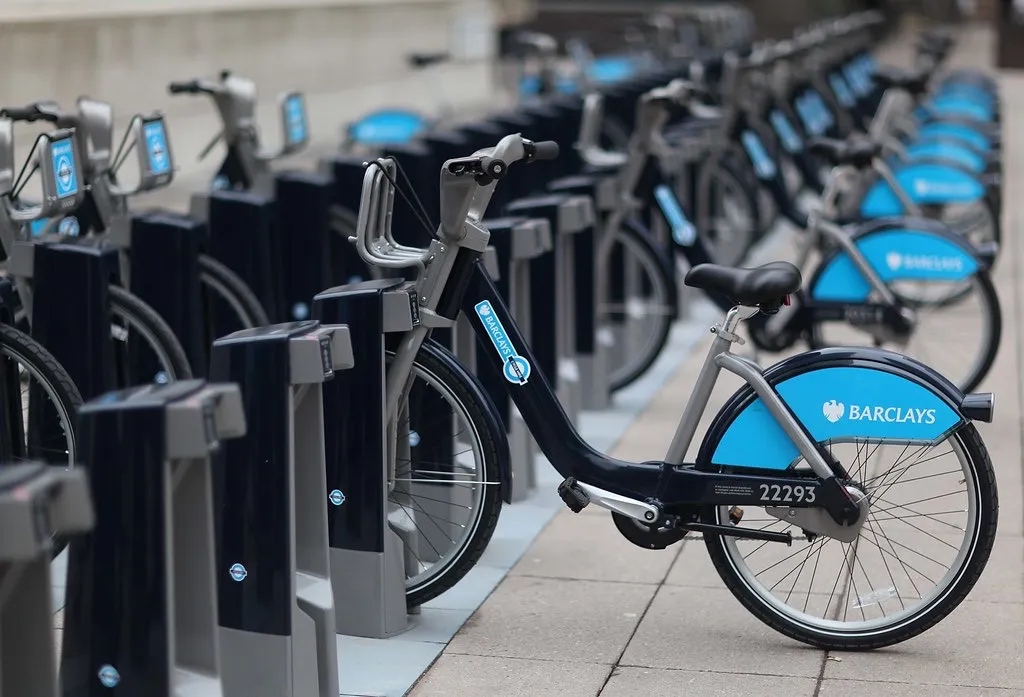
Image Credit: TfL

This project went live on 30th July, 2010, and saw 5,000 bikes and 315 docks installed across Central London. This was, and still is, operated by Serco for TfL, a company that was recently reawarded the contract with promises of upgrading the fleet.

An important development in the public evolution of “Boris bikes” came in December 2010, when the two-wheelers became available to anyone who had a credit or debit card. Beforehand, only people who had signed up to use the vehicles could use them.

Visually, the biggest change in the cycle hire scheme took place in 2015, when they were rebranded as Santander Cycles following sponsorship from the financial institution. This figuratively changed the colour of London’s bike lanes from blue to red.

It’s hard to overstate the importance of “Boris bikes” to micromobility in London. This was the city's first large-scale docked system, and it introduced countless thousands of people to the idea of cycling across the urban environment. It was the start of a new era.

Overnight, the barrier to entry for cycling and micromobility was smashed. You didn’t need to go to a shop and buy a bike, you could simply tap your credit card and get pedalling. The fixed stations, physical docks, and centralised governance of the scheme took cycling from a potentially left-field, solo pursuit to something that was predictable, safe, and, importantly, seen as public transport.
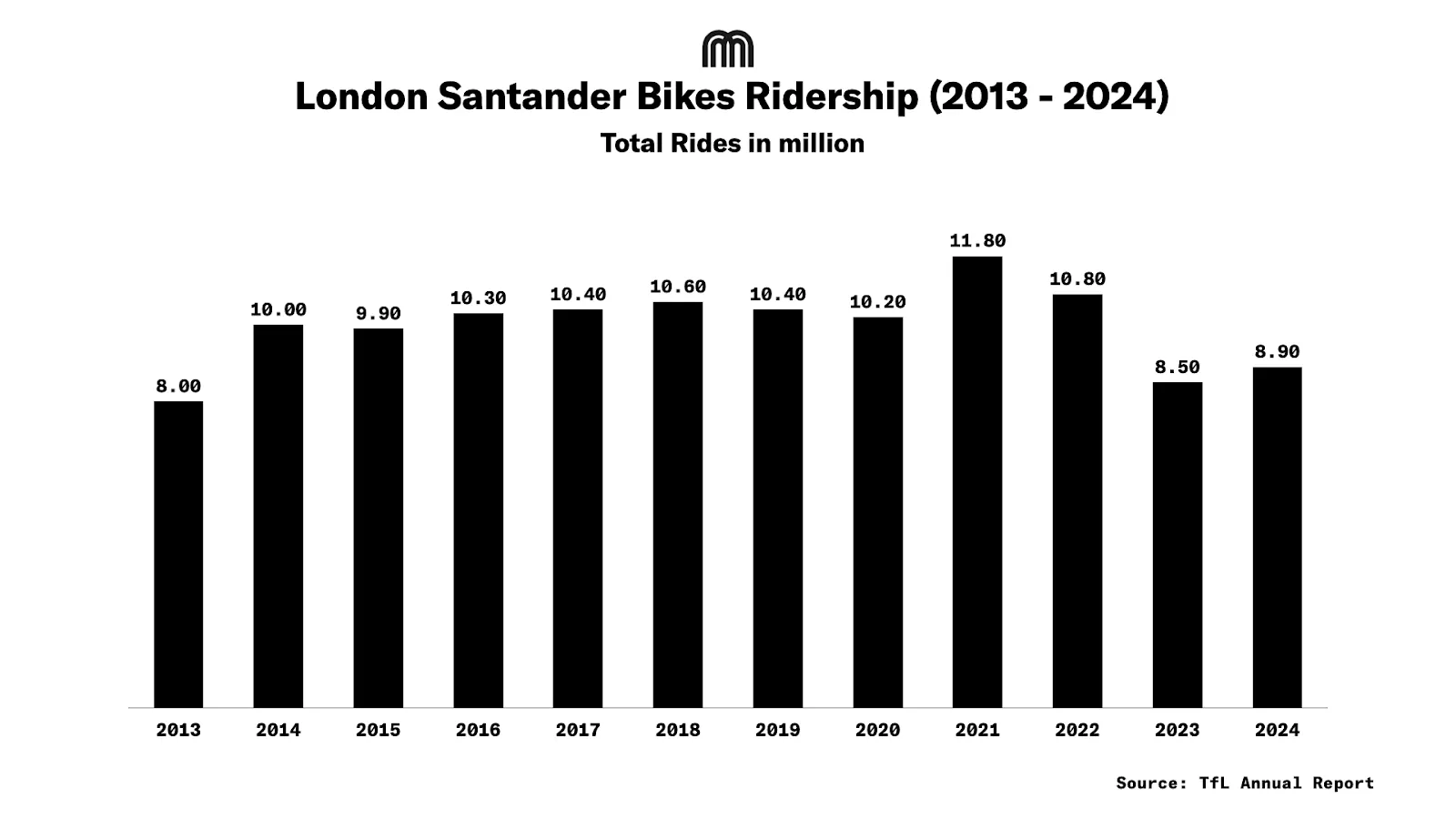
Without Barclays Cycle Hire/Santander Cycles, London’s micromobility scene wouldn’t be where it is today. It was the first step on the road to reimagining how people can move across the city.

Phase 2 (2017-2019): The bike litter crisis

Throughout the majority of the 2010s, London’s micromobility scene was dominated by “Boris bikes.” For several years, they were the de facto way swathes of people could use small-scale shared transport. All this changed in 2017 with the mass arrival of dockless bikes.

At that point, operators like Mobike and Ofo emerged, and introduced the city to an entirely new way of travelling: picking up and dropping off your bike wherever you want. No designated zones, no hassle, just pure movement.

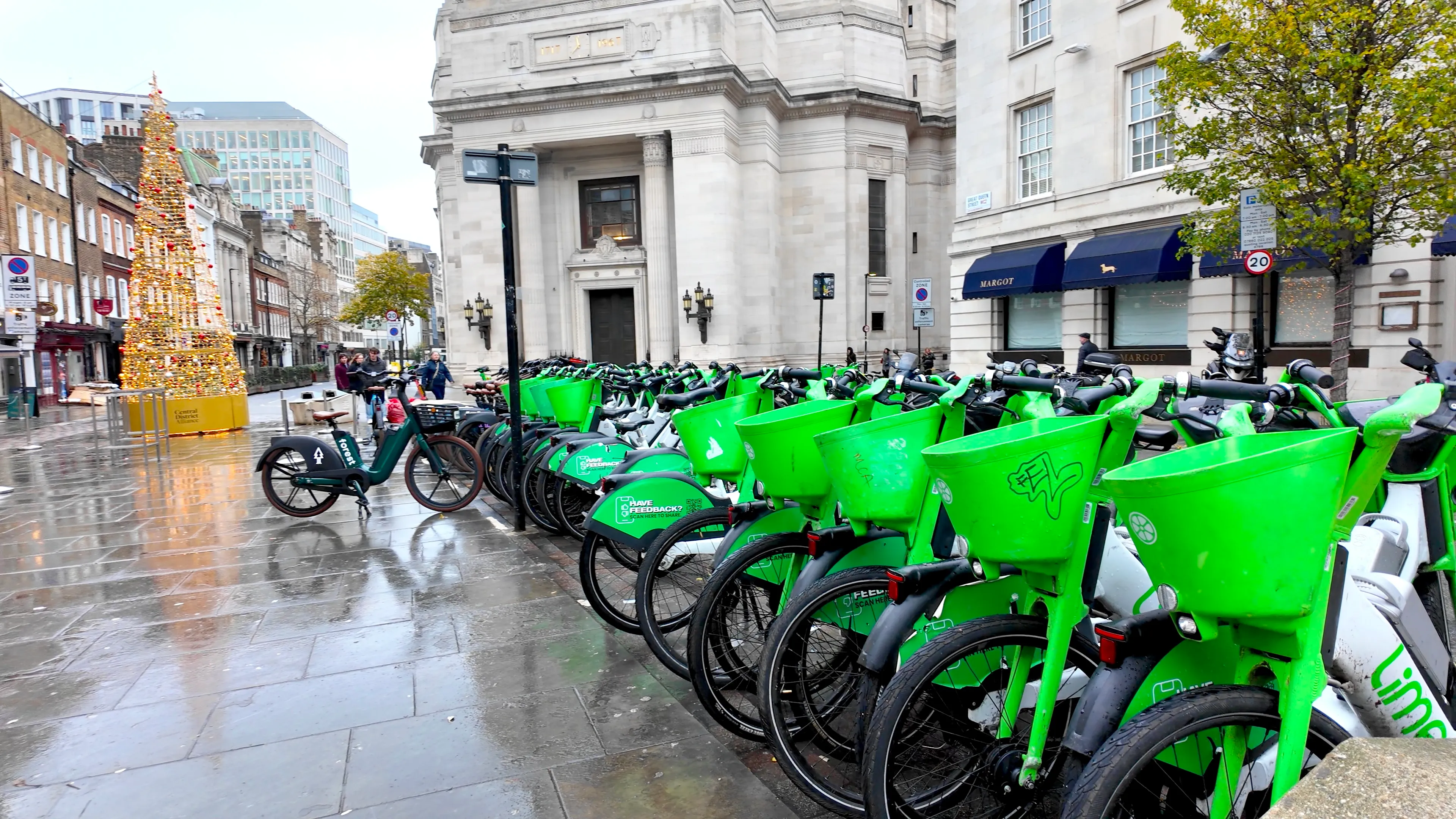
On paper it was a good idea. Dockless bikes can deliver unbridled flexibility, allowing people utter freedom in their travel. The issue is this was just on paper. Almost immediately, London experienced a raft of problems from dockless bikes, from pavement clutter to large amounts of abandoned or damaged bikes, and from rampant theft to vandalism. The lack of uniform rules for dockless bikes across London boroughs made this even worse, creating scenes of chaos all over the city.

Given this, it’s little wonder this era is referred to as the “bike litter crisis.” At this point in time, wherever you walked in central London, discarded two-wheelers peppered the streets.

Hot on the heels of this public relations nightmare, the companies behind the dockless movement in London ran into significant struggles. Ofo withdrew from the city in 2019 following issues with theft and general financial problems, and Mobike scaled back its operations due to significant vandalism losses.

You can view this period as London’s micromobility Wild West. There was chaos, there was experimentation — but it also couldn’t last.

Despite the negativity that surrounded the “bike litter crisis,” a lot of good arose from it. The backlash and attention it drew meant that authorities realised the importance of mandatory parking bays, borough licensing, and geofencing rules. People realised that for this new mode of transport to work, structure, regulation, and thought were needed.

In other words, despite the chaos at the time, the “bike litter crisis” shaped micromobility in London for the better.

Phase 3 (2020-today): The micromobility boom

Arguably, the biggest shift in micromobility in London occurred during the pandemic. COVID-19 accelerated behavioural change, with research showing cycling trips and distances rose sharply in 2020 and 2021.

During this time, cycling as part of intermodal trips in London rose 23%, while the average distance cycled per person increased by 62%. And, by the end of 2021, bike ridership was 15–20% higher than it was pre-COVID.

Of course, the pandemic was a particular (and peculiar) time in history. People weren’t abandoning public transport to change how they moved across London, instead this was driven by circumstance, shutdowns, and health concerns. The COVID-19 situation made people aware of the different travel options available, effectively encouraging people to give micromobility a spin, helping normalise it.

While the pandemic played a role in ushering in London’s modern micromobility world, it wouldn’t have boomed without other factors whirring away in the background. For example, the rise of e-bikes. From 2020, these have represented a large share of dockless fleets in the city, and operators like Lime have grown in prominence.
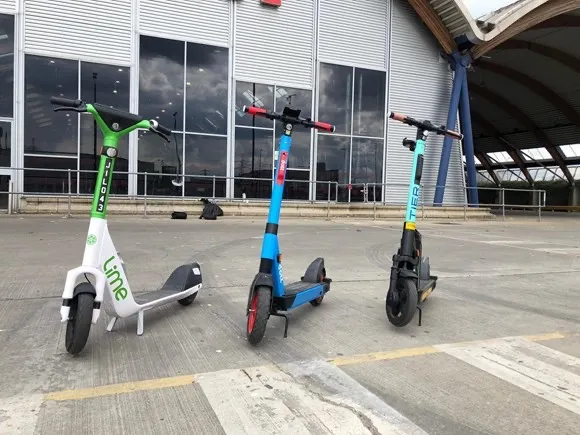
Image Credit: TfL

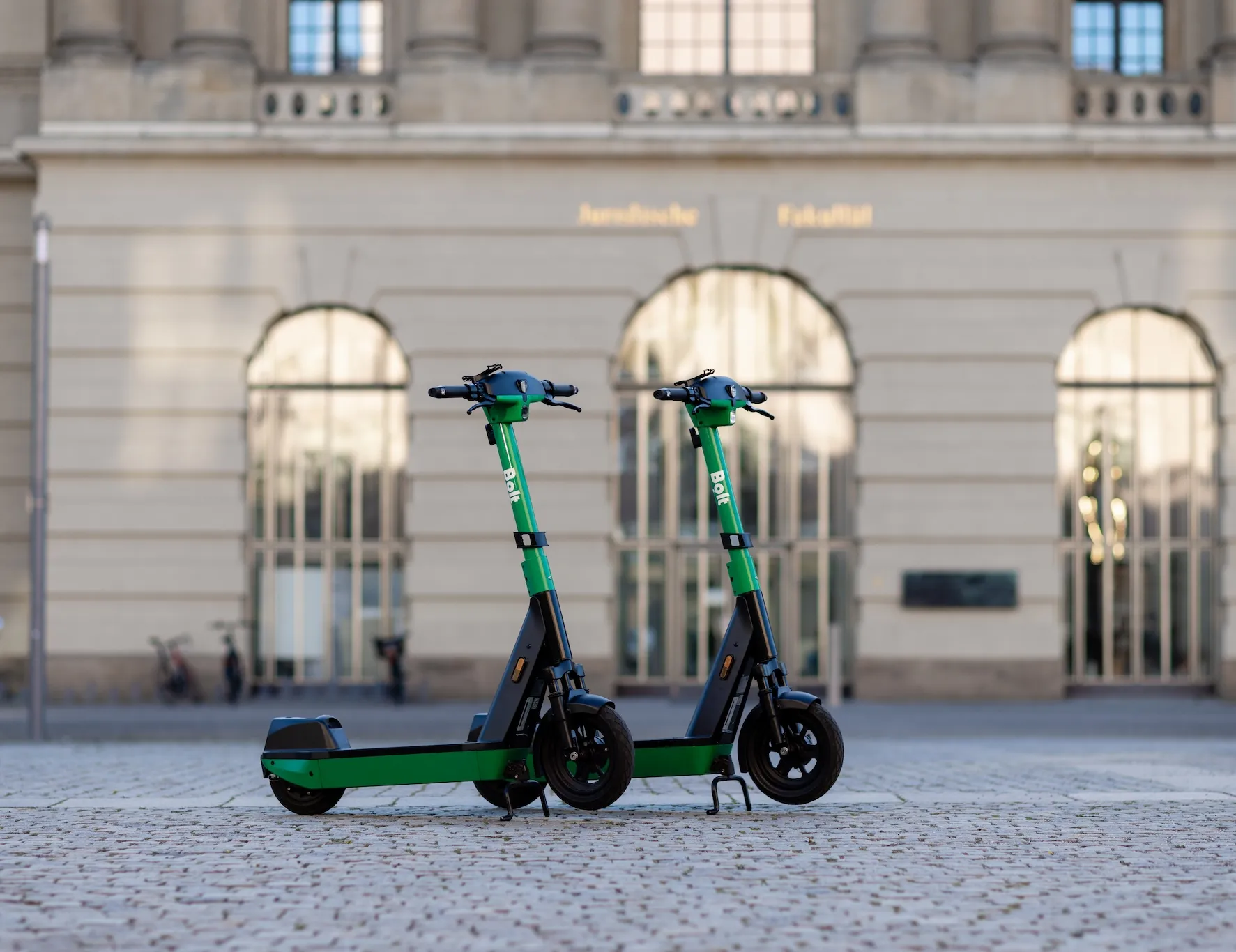
Alongside this has been the success of e-scooters. In June 2021, London began an e-scooter rental trial with several operators (Dott, Lime, and Tier) to test safety, parking and user behaviour. While private e-scooters remain illegal on public roads, rental vehicles operating under the trial are permitted, and these trials have been repeatedly extended to encourage evaluation and learning. This opened up another new mode of transport for individuals to use.

Another huge change in London over the last several years was the infrastructure development. We’ve written before about the importance of building places for people to cycle, and this has played out like clockwork in London. If you create a safe space for people to bike, they’re more likely to do so. This can encourage other people to get involved, creating a virtuous cycle and influencing more people to hop on a bike.

One way London and TfL achieved this was by rapidly expanding protected cycleways and creating more Low Traffic Neighbourhoods (LTNs) to support safer micromobility usage. On top of this, TfL has worked with boroughs to trial micromobility parking bays and geofencing to reduce pavement clutter.

This policy-driven approach, combined with commercial vehicle investment and cultural change, has been the driving force in changing the face of London’s transport. And, believe us, it has changed substantially.

Where we are today

London has evolved into a full-blooded micromobility hub. Cycling journeys in the city are up 43% since 2019, reaching an estimated 1.5 million cycle trips per day in 2025, a 12.7% increase since 2024 alone.

The strongest areas of cycling growth are in inner London (up 14.8%), followed by central London (up 12.8%) and outer London (up 9.9%). The number of people cycling is also rising. 23% of Londoners cycled at least once in 2023/24, up from 21% from 2019/20.

Infrastructure-wise, the investment in protected cycleways and expanded strategic routes has paid dividends. The strategic cycle network now exceeds 431km, up from 90km in 2016, and around 29% of Londoners now live within 400m of a high-quality cycle route.

The greatest shift, though, has been cultural. It’s true there are plenty of reports of e-bikes being used dangerously and micromobility vehicles littered throughout the city, but these are issues that can be fixed. Much of this technology and approach is new, and there will be teething problems. Instead, what’s most exciting about the micromobility boom is that people are actually taking advantage of it. This isn’t a hyped bit of technology that’s not actually being used on a day-to-day basis (like the metaverse). Shared bikes and scooters are now an integral part of London’s transport jigsaw. The above numbers show that clearly.

20 years ago (long before “Boris bikes”) this would’ve been unthinkable, yet if you take a stroll through central London today, you’ll see rafts of people cycling and scootering around the city.

Remember though, London never stands still, so let’s spend some time thinking about what might be coming next.

The future of micromobility in London
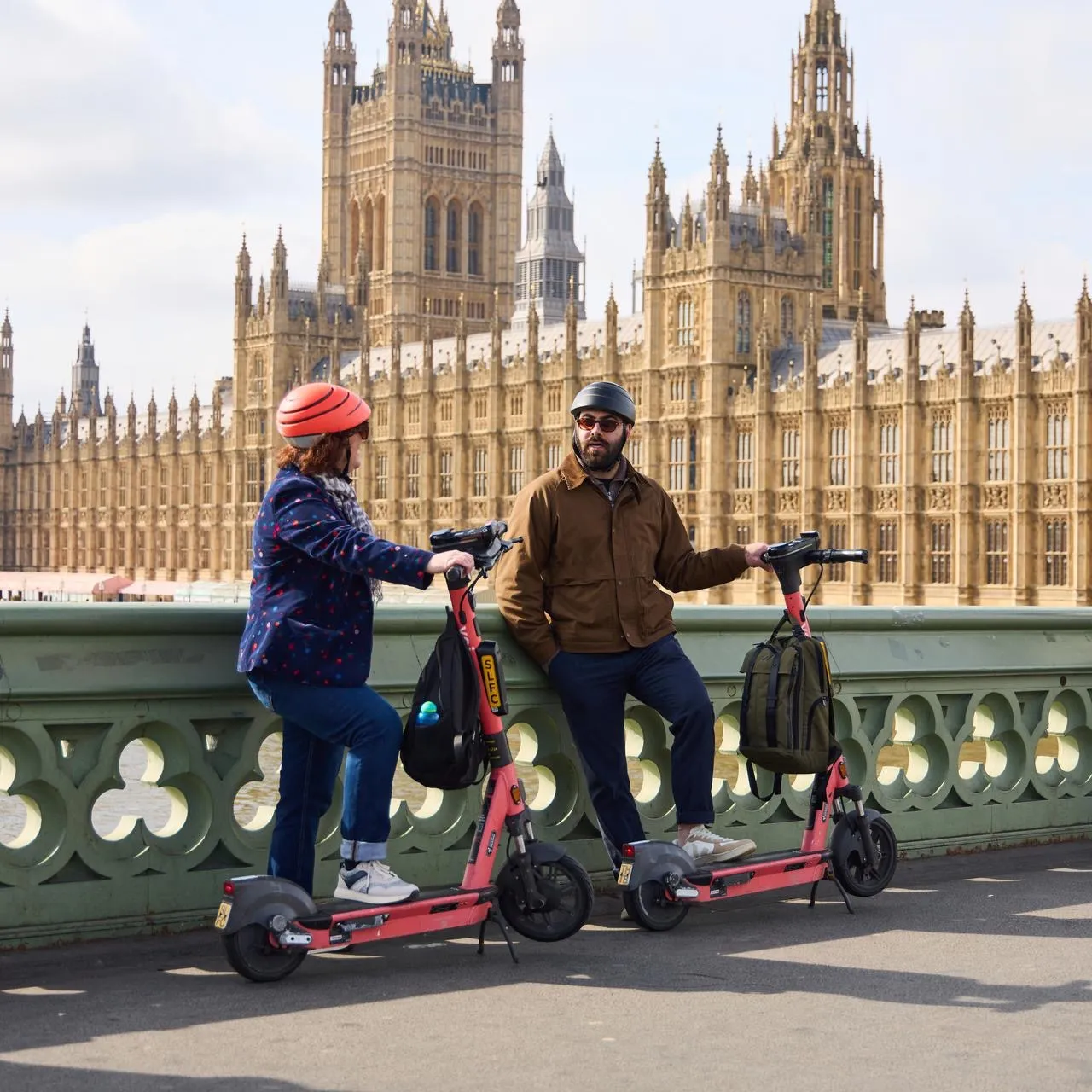
Image Credits: TfL

While predicting the future is impossible (we’d be out buying lottery tickets otherwise), there are some indicators we can use to guess how London will further evolve. From our research, these will be split into three main parts: mandatory parking solutions, e-bike legislation, and infrastructure expansion.

Let’s begin with the first, parking. One of the biggest complaints many in London have about micromobility at present is the mess; bikes littered across streets and blocking pathways. If micromobility is going to evolve and grow, this issue needs to be dealt with. Thankfully, plans are underway.

In November 2024, TfL announced a new enforcement approach for dockless e-bikes parked on TfL-managed land, including penalties for obstruction. This has led to an array of operators already working with the governing body to try and solve the issue. Although, as pointed out by companies like Lime, this will require more designated parking spaces and areas bikes can be docked in.

On this note, nearly £1 million has been allocated to fund 7,500 new e-bike parking spaces in London, with at least 800 due by summer 2026. These will be focused along “red routes,” which are areas that see more bikes left than others. Some London boroughs are taking this into their own hands and requiring shared e-bikes to be parked only in designated bays, something that will be enforced by geofencing.

Over the next several years, it’s likely we’ll see more of this, combinations of increased designated parking zones, alongside the ability to fine users and companies who fall foul of these more stringent regulations.

The next element we’re likely to see in the coming years will be tighter controls on e-bikes. So far, their usage has triggered formal calls for legislative change, with the London Assembly passing a motion in November 2024 calling for new powers to regulate e-bikes and e-scooters more consistently across London. The Assembly noted that e-bikes are currently treated as bicycles in law, limiting local authorities’ ability to regulate fleet size and operators.

Expect to see more checks on these vehicles, different categorisation, and firmer clampdowns in London to ensure that any of the loopholes people are using to ride unlicensed and potentially dangerous vehicles around the city are closed.

These two areas will likely improve the public view of certain aspects of micromobility, which may usher in more people using the technology, but the third and final prediction we’ll make for the future of micromobility in London is more focused on infrastructure.

TfL’s long-term transport strategy continues to prioritise cycling and active travel infrastructure, particularly outside central London. This is already underway in the inner city, with the cycle network’s expansion, and this is expected to flow into the outer parts of London, which could completely upend commuting in the city.

Ultimately, how do we sum up micromobility in London? Well, you still haven’t seen anything yet. We’re currently in the awkward teenage years of the transition. Much of the experimentation is done, and now is the time for growth and regulation, working out how new travel technologies can fit seamlessly into the lives of more and more people. The negative aspects will be ironed out and solved, while more infrastructure will lead to people moving through the city in fresh, exciting and, most important of all, safe ways.

London, as always, is a city on the edge of cultural and technological progress. In the past 15 years, we’ve seen micromobility evolve from the novelty of “Boris bikes” to crowds of people commuting on shared vehicles.

And what’s next? There’s only one thing we can say for sure: London isn’t going to sit still. And micromobility won’t either.

Make sure to stay tuned for Part 2 of our London series, where we’ll be looking at the city’s operator and regulatory landscape.

Sign up for free for the Micromobility Newsletter - the world’s largest newsletter about small vehicles - and receive best-in-class insights, analysis, and commentary. Trusted by over 75,000 riders, insiders, builders and enthusiasts.

Welcome to Micromobility Pro, a bi-weekly publication which is part of The Micromobility Newsletter, where we deep-dive into the financials of micromobility companies and share exclusive insights tailored for professionals and members.

Contents:

  • Introduction
  • Phase 1 (2010-2017): The “Boris” bike era
  • Phase 2 (2017-2019): The bike litter crisis
  • Phase 3 (2020-today): The micromobility boom
  • Where we are today
  • The future of micromobility in London

Introduction

Image Credit: EPA

London is a true international city. It sits alongside other metropolises like New York or Tokyo as a place on the cutting edge of culture and progress. In other words, change is in its DNA. This means it’s cities like London that are the training grounds for emerging technologies — and micromobility is no exception.

Over the past 20 years, what people want and expect from cities has altered drastically. The internet made our lives easier in a myriad of ways, and we now expect that convenience in other parts of our lives. Movement is one. These days, many of us don’t want to sit in stuffy public transport for short journeys or suffer the inconvenience of “driving” a car that’s constantly stuck in traffic. Combine this desire for convenience with an increasing focus on the environment, and you have the stage set for a new mode of transport.

It’s this gap that micromobility has filled — and London has been at the heart of this change, becoming an incubator for this new era of movement. While some of these schemes haven’t always been successful for the city, they are interesting and instructive for the evolution of the sector as a whole.

This article is the first in a pair that takes a deep dive into micromobility in London. Today, we’re looking at how the city has developed hand-in-hand with micromobility — and what the future might hold.

Phase 1 (2010-2017): The “Boris” bike era

Any Londoner will recall the launch of the Barclays Cycle Hire scheme, as it flooded the city’s streets with the bikes. Although, saying that, many Londoners might not recognise the name, instead being more au fait with their unofficial moniker: “Boris bikes.”

Image Credit: TfL

This project went live on 30th July, 2010, and saw 5,000 bikes and 315 docks installed across Central London. This was, and still is, operated by Serco for TfL, a company that was recently reawarded the contract with promises of upgrading the fleet.

An important development in the public evolution of “Boris bikes” came in December 2010, when the two-wheelers became available to anyone who had a credit or debit card. Beforehand, only people who had signed up to use the vehicles could use them.

Visually, the biggest change in the cycle hire scheme took place in 2015, when they were rebranded as Santander Cycles following sponsorship from the financial institution. This figuratively changed the colour of London’s bike lanes from blue to red.

It’s hard to overstate the importance of “Boris bikes” to micromobility in London. This was the city's first large-scale docked system, and it introduced countless thousands of people to the idea of cycling across the urban environment. It was the start of a new era.

Overnight, the barrier to entry for cycling and micromobility was smashed. You didn’t need to go to a shop and buy a bike, you could simply tap your credit card and get pedalling. The fixed stations, physical docks, and centralised governance of the scheme took cycling from a potentially left-field, solo pursuit to something that was predictable, safe, and, importantly, seen as public transport.

Without Barclays Cycle Hire/Santander Cycles, London’s micromobility scene wouldn’t be where it is today. It was the first step on the road to reimagining how people can move across the city.

Phase 2 (2017-2019): The bike litter crisis

Throughout the majority of the 2010s, London’s micromobility scene was dominated by “Boris bikes.” For several years, they were the de facto way swathes of people could use small-scale shared transport. All this changed in 2017 with the mass arrival of dockless bikes.

At that point, operators like Mobike and Ofo emerged, and introduced the city to an entirely new way of travelling: picking up and dropping off your bike wherever you want. No designated zones, no hassle, just pure movement.

On paper it was a good idea. Dockless bikes can deliver unbridled flexibility, allowing people utter freedom in their travel. The issue is this was just on paper. Almost immediately, London experienced a raft of problems from dockless bikes, from pavement clutter to large amounts of abandoned or damaged bikes, and from rampant theft to vandalism. The lack of uniform rules for dockless bikes across London boroughs made this even worse, creating scenes of chaos all over the city.

Given this, it’s little wonder this era is referred to as the “bike litter crisis.” At this point in time, wherever you walked in central London, discarded two-wheelers peppered the streets.

Hot on the heels of this public relations nightmare, the companies behind the dockless movement in London ran into significant struggles. Ofo withdrew from the city in 2019 following issues with theft and general financial problems, and Mobike scaled back its operations due to significant vandalism losses.

You can view this period as London’s micromobility Wild West. There was chaos, there was experimentation — but it also couldn’t last.

Despite the negativity that surrounded the “bike litter crisis,” a lot of good arose from it. The backlash and attention it drew meant that authorities realised the importance of mandatory parking bays, borough licensing, and geofencing rules. People realised that for this new mode of transport to work, structure, regulation, and thought were needed.

In other words, despite the chaos at the time, the “bike litter crisis” shaped micromobility in London for the better.

Phase 3 (2020-today): The micromobility boom

Arguably, the biggest shift in micromobility in London occurred during the pandemic. COVID-19 accelerated behavioural change, with research showing cycling trips and distances rose sharply in 2020 and 2021.

During this time, cycling as part of intermodal trips in London rose 23%, while the average distance cycled per person increased by 62%. And, by the end of 2021, bike ridership was 15–20% higher than it was pre-COVID.

Of course, the pandemic was a particular (and peculiar) time in history. People weren’t abandoning public transport to change how they moved across London, instead this was driven by circumstance, shutdowns, and health concerns. The COVID-19 situation made people aware of the different travel options available, effectively encouraging people to give micromobility a spin, helping normalise it.

While the pandemic played a role in ushering in London’s modern micromobility world, it wouldn’t have boomed without other factors whirring away in the background. For example, the rise of e-bikes. From 2020, these have represented a large share of dockless fleets in the city, and operators like Lime have grown in prominence.

Image Credit: TfL

Alongside this has been the success of e-scooters. In June 2021, London began an e-scooter rental trial with several operators (Dott, Lime, and Tier) to test safety, parking and user behaviour. While private e-scooters remain illegal on public roads, rental vehicles operating under the trial are permitted, and these trials have been repeatedly extended to encourage evaluation and learning. This opened up another new mode of transport for individuals to use.

Another huge change in London over the last several years was the infrastructure development. We’ve written before about the importance of building places for people to cycle, and this has played out like clockwork in London. If you create a safe space for people to bike, they’re more likely to do so. This can encourage other people to get involved, creating a virtuous cycle and influencing more people to hop on a bike.

One way London and TfL achieved this was by rapidly expanding protected cycleways and creating more Low Traffic Neighbourhoods (LTNs) to support safer micromobility usage. On top of this, TfL has worked with boroughs to trial micromobility parking bays and geofencing to reduce pavement clutter.

This policy-driven approach, combined with commercial vehicle investment and cultural change, has been the driving force in changing the face of London’s transport. And, believe us, it has changed substantially.

Where we are today

London has evolved into a full-blooded micromobility hub. Cycling journeys in the city are up 43% since 2019, reaching an estimated 1.5 million cycle trips per day in 2025, a 12.7% increase since 2024 alone.

The strongest areas of cycling growth are in inner London (up 14.8%), followed by central London (up 12.8%) and outer London (up 9.9%). The number of people cycling is also rising. 23% of Londoners cycled at least once in 2023/24, up from 21% from 2019/20.

Infrastructure-wise, the investment in protected cycleways and expanded strategic routes has paid dividends. The strategic cycle network now exceeds 431km, up from 90km in 2016, and around 29% of Londoners now live within 400m of a high-quality cycle route.

The greatest shift, though, has been cultural. It’s true there are plenty of reports of e-bikes being used dangerously and micromobility vehicles littered throughout the city, but these are issues that can be fixed. Much of this technology and approach is new, and there will be teething problems. Instead, what’s most exciting about the micromobility boom is that people are actually taking advantage of it. This isn’t a hyped bit of technology that’s not actually being used on a day-to-day basis (like the metaverse). Shared bikes and scooters are now an integral part of London’s transport jigsaw. The above numbers show that clearly.

20 years ago (long before “Boris bikes”) this would’ve been unthinkable, yet if you take a stroll through central London today, you’ll see rafts of people cycling and scootering around the city.

Remember though, London never stands still, so let’s spend some time thinking about what might be coming next.

The future of micromobility in London

Image Credits: TfL

While predicting the future is impossible (we’d be out buying lottery tickets otherwise), there are some indicators we can use to guess how London will further evolve. From our research, these will be split into three main parts: mandatory parking solutions, e-bike legislation, and infrastructure expansion.

Let’s begin with the first, parking. One of the biggest complaints many in London have about micromobility at present is the mess; bikes littered across streets and blocking pathways. If micromobility is going to evolve and grow, this issue needs to be dealt with. Thankfully, plans are underway.

In November 2024, TfL announced a new enforcement approach for dockless e-bikes parked on TfL-managed land, including penalties for obstruction. This has led to an array of operators already working with the governing body to try and solve the issue. Although, as pointed out by companies like Lime, this will require more designated parking spaces and areas bikes can be docked in.

On this note, nearly £1 million has been allocated to fund 7,500 new e-bike parking spaces in London, with at least 800 due by summer 2026. These will be focused along “red routes,” which are areas that see more bikes left than others. Some London boroughs are taking this into their own hands and requiring shared e-bikes to be parked only in designated bays, something that will be enforced by geofencing.

Over the next several years, it’s likely we’ll see more of this, combinations of increased designated parking zones, alongside the ability to fine users and companies who fall foul of these more stringent regulations.

The next element we’re likely to see in the coming years will be tighter controls on e-bikes. So far, their usage has triggered formal calls for legislative change, with the London Assembly passing a motion in November 2024 calling for new powers to regulate e-bikes and e-scooters more consistently across London. The Assembly noted that e-bikes are currently treated as bicycles in law, limiting local authorities’ ability to regulate fleet size and operators.

Expect to see more checks on these vehicles, different categorisation, and firmer clampdowns in London to ensure that any of the loopholes people are using to ride unlicensed and potentially dangerous vehicles around the city are closed.

These two areas will likely improve the public view of certain aspects of micromobility, which may usher in more people using the technology, but the third and final prediction we’ll make for the future of micromobility in London is more focused on infrastructure.

TfL’s long-term transport strategy continues to prioritise cycling and active travel infrastructure, particularly outside central London. This is already underway in the inner city, with the cycle network’s expansion, and this is expected to flow into the outer parts of London, which could completely upend commuting in the city.

Ultimately, how do we sum up micromobility in London? Well, you still haven’t seen anything yet. We’re currently in the awkward teenage years of the transition. Much of the experimentation is done, and now is the time for growth and regulation, working out how new travel technologies can fit seamlessly into the lives of more and more people. The negative aspects will be ironed out and solved, while more infrastructure will lead to people moving through the city in fresh, exciting and, most important of all, safe ways.

London, as always, is a city on the edge of cultural and technological progress. In the past 15 years, we’ve seen micromobility evolve from the novelty of “Boris bikes” to crowds of people commuting on shared vehicles.

And what’s next? There’s only one thing we can say for sure: London isn’t going to sit still. And micromobility won’t either.

Make sure to stay tuned for Part 2 of our London series, where we’ll be looking at the city’s operator and regulatory landscape.

Sign up for free for the Micromobility Newsletter - the world’s largest newsletter about small vehicles - and receive best-in-class insights, analysis, and commentary. Trusted by over 75,000 riders, insiders, builders and enthusiasts.

Welcome to Micromobility Pro, a bi-weekly publication which is part of The Micromobility Newsletter, where we deep-dive into the financials of micromobility companies and share exclusive insights tailored for professionals and members.

Contents:

  • Introduction
  • Phase 1 (2010-2017): The “Boris” bike era
  • Phase 2 (2017-2019): The bike litter crisis
  • Phase 3 (2020-today): The micromobility boom
  • Where we are today
  • The future of micromobility in London

Introduction

Image Credit: EPA

London is a true international city. It sits alongside other metropolises like New York or Tokyo as a place on the cutting edge of culture and progress. In other words, change is in its DNA. This means it’s cities like London that are the training grounds for emerging technologies — and micromobility is no exception.

Over the past 20 years, what people want and expect from cities has altered drastically. The internet made our lives easier in a myriad of ways, and we now expect that convenience in other parts of our lives. Movement is one. These days, many of us don’t want to sit in stuffy public transport for short journeys or suffer the inconvenience of “driving” a car that’s constantly stuck in traffic. Combine this desire for convenience with an increasing focus on the environment, and you have the stage set for a new mode of transport.

It’s this gap that micromobility has filled — and London has been at the heart of this change, becoming an incubator for this new era of movement. While some of these schemes haven’t always been successful for the city, they are interesting and instructive for the evolution of the sector as a whole.

This article is the first in a pair that takes a deep dive into micromobility in London. Today, we’re looking at how the city has developed hand-in-hand with micromobility — and what the future might hold.

Phase 1 (2010-2017): The “Boris” bike era

Any Londoner will recall the launch of the Barclays Cycle Hire scheme, as it flooded the city’s streets with the bikes. Although, saying that, many Londoners might not recognise the name, instead being more au fait with their unofficial moniker: “Boris bikes.”

Image Credit: TfL

Become a Pro member to gain access to this content plus the entire Micromobility Pro archive.

Micromobility Pro

Starter
for up to 2,500 contacts
and up to 37,500 emails/month
$48
/month
What's included:
Email Designer
Campaign Creator
Web Forms
Analytics
Pro
for up to 5,500 contacts
and up to 57,500 emails/month
$78
/month
What's included:
Email Automations
Custom rDNS
User Management
Form with reCAPTCHA
Best Value
Monthy
Join the leaders in the industry and become a Micromobility Pro Member today!
25
/month
What's included:
Micromobility Pro Articles
Micromobility Pro Newsletter
Member Exclusive Content
Yearly
Get the most popular yearly plan at just €20.80/month with extra perks
250
/year
What's included:
Micromobility Pro Articles
Micromobility Pro Newsletter
Access to Members Only Slack
Discounts on Event Tickets
Fast Track Landscape Application
Best Value
Already a member? Login

Welcome to Micromobility Pro, a bi-weekly publication which is part of The Micromobility Newsletter, where we deep-dive into the financials of micromobility companies and share exclusive insights tailored for professionals and members.

Contents:

  • Introduction
  • Phase 1 (2010-2017): The “Boris” bike era
  • Phase 2 (2017-2019): The bike litter crisis
  • Phase 3 (2020-today): The micromobility boom
  • Where we are today
  • The future of micromobility in London

Introduction

Image Credit: EPA

London is a true international city. It sits alongside other metropolises like New York or Tokyo as a place on the cutting edge of culture and progress. In other words, change is in its DNA. This means it’s cities like London that are the training grounds for emerging technologies — and micromobility is no exception.

Over the past 20 years, what people want and expect from cities has altered drastically. The internet made our lives easier in a myriad of ways, and we now expect that convenience in other parts of our lives. Movement is one. These days, many of us don’t want to sit in stuffy public transport for short journeys or suffer the inconvenience of “driving” a car that’s constantly stuck in traffic. Combine this desire for convenience with an increasing focus on the environment, and you have the stage set for a new mode of transport.

It’s this gap that micromobility has filled — and London has been at the heart of this change, becoming an incubator for this new era of movement. While some of these schemes haven’t always been successful for the city, they are interesting and instructive for the evolution of the sector as a whole.

This article is the first in a pair that takes a deep dive into micromobility in London. Today, we’re looking at how the city has developed hand-in-hand with micromobility — and what the future might hold.

Phase 1 (2010-2017): The “Boris” bike era

Any Londoner will recall the launch of the Barclays Cycle Hire scheme, as it flooded the city’s streets with the bikes. Although, saying that, many Londoners might not recognise the name, instead being more au fait with their unofficial moniker: “Boris bikes.”

Image Credit: TfL

Become a Pro member to gain access to this content plus the entire Micromobility Pro archive.

Micromobility Pro

Starter
for up to 2,500 contacts
and up to 37,500 emails/month
$48
/month
What's included:
Email Designer
Campaign Creator
Web Forms
Analytics
Pro
for up to 5,500 contacts
and up to 57,500 emails/month
$78
/month
What's included:
Email Automations
Custom rDNS
User Management
Form with reCAPTCHA
Best Value
Monthy
Join the leaders in the industry and become a Micromobility Pro Member today!
25
/month
What's included:
Micromobility Pro Articles
Micromobility Pro Newsletter
Member Exclusive Content
Yearly
Get the most popular yearly plan at just €20.80/month with extra perks
250
/year
What's included:
Micromobility Pro Articles
Micromobility Pro Newsletter
Access to Members Only Slack
Discounts on Event Tickets
Fast Track Landscape Application
Best Value
Already a member? Login