.svg)
%2Bcopy.avif)


.svg)


.webp)



.jpg)
%20(1).jpeg)
.jpg)
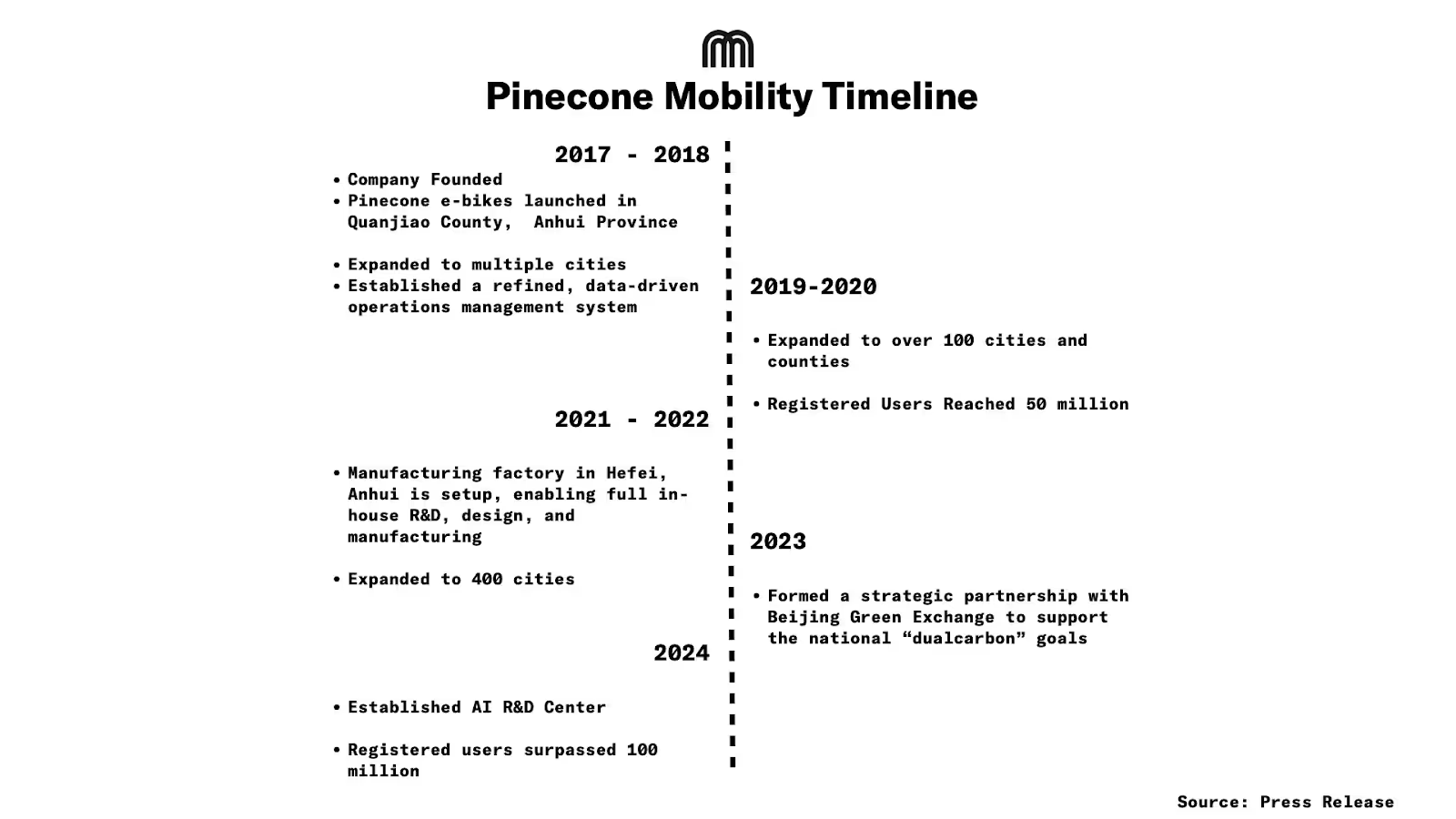
Pinecone Mobility (also known as Songguo Mobility) was established in 2017 as a shared electric bike (e-bike) services provider in China. The company launched its first fleet in Quanjiao County, Anhui Province, and over time expanded rapidly across the country. Its management team anticipated evolving micromobility needs and leveraged data-driven operational strategies to scale nationwide. As of September 30, 2025, Pinecone had deployed 454.6k shared e-bikes across 422 cities and counties in China, making it a leading operator in the sector.
Based on 2024 transaction volume and fleet size, Pinecone is the largest operator in China’s peripheral markets and ranks fourth nationally.
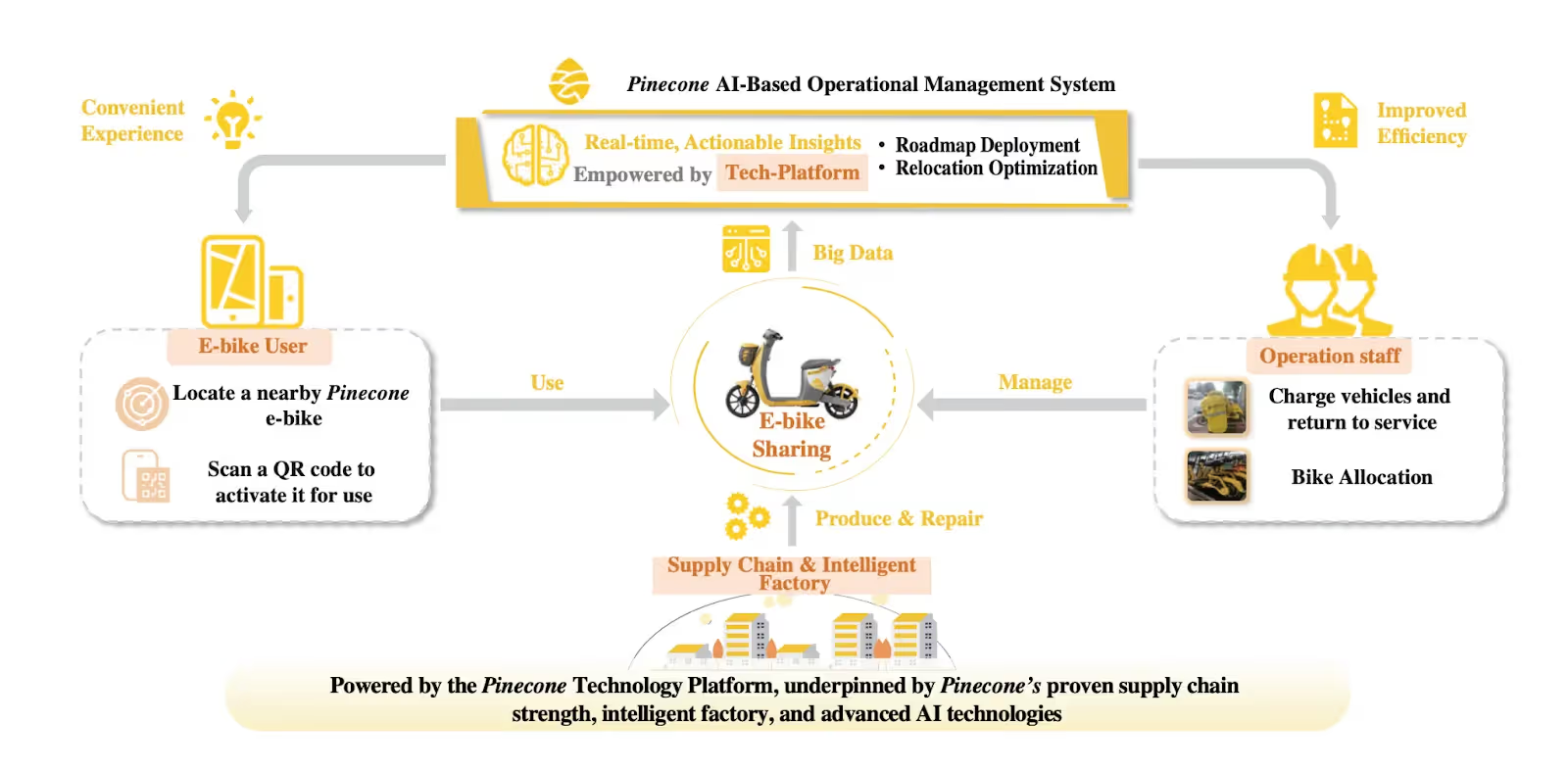
Backed by its proprietary AI-based operations platform, in-house designed and manufactured e-bikes, and experienced local teams, Pinecone delivers a convenient, affordable, and flexible e-bike sharing solution for short- and medium-distance travel.
Pinecone previously filed for a US listing in 2021 but shifted to HKEX amid market conditions. Backed by investors like IDG Capital, Sequoia China, SoftBank, Xianfeng, and BlueRun Ventures, Pinecone scaled rapidly, ranking first in peripheral regions by 2024 transaction value (18.7% share) and fourth nationwide by transaction value and fleet size per Frost & Sullivan.
China’s Shared E-Bike Industry
China’s shared electric bicycle market has expanded rapidly as operators improve intelligent dispatching and utilization, lifting daily revenue per bike. Transaction volume grew from $320m in 2019 to $2.3B in 2024, representing a 49.7% CAGR. The industry is projected to reach $15.1B by 2032, growing at a 26.4% CAGR, highlighting strong long-term demand for shared micromobility.
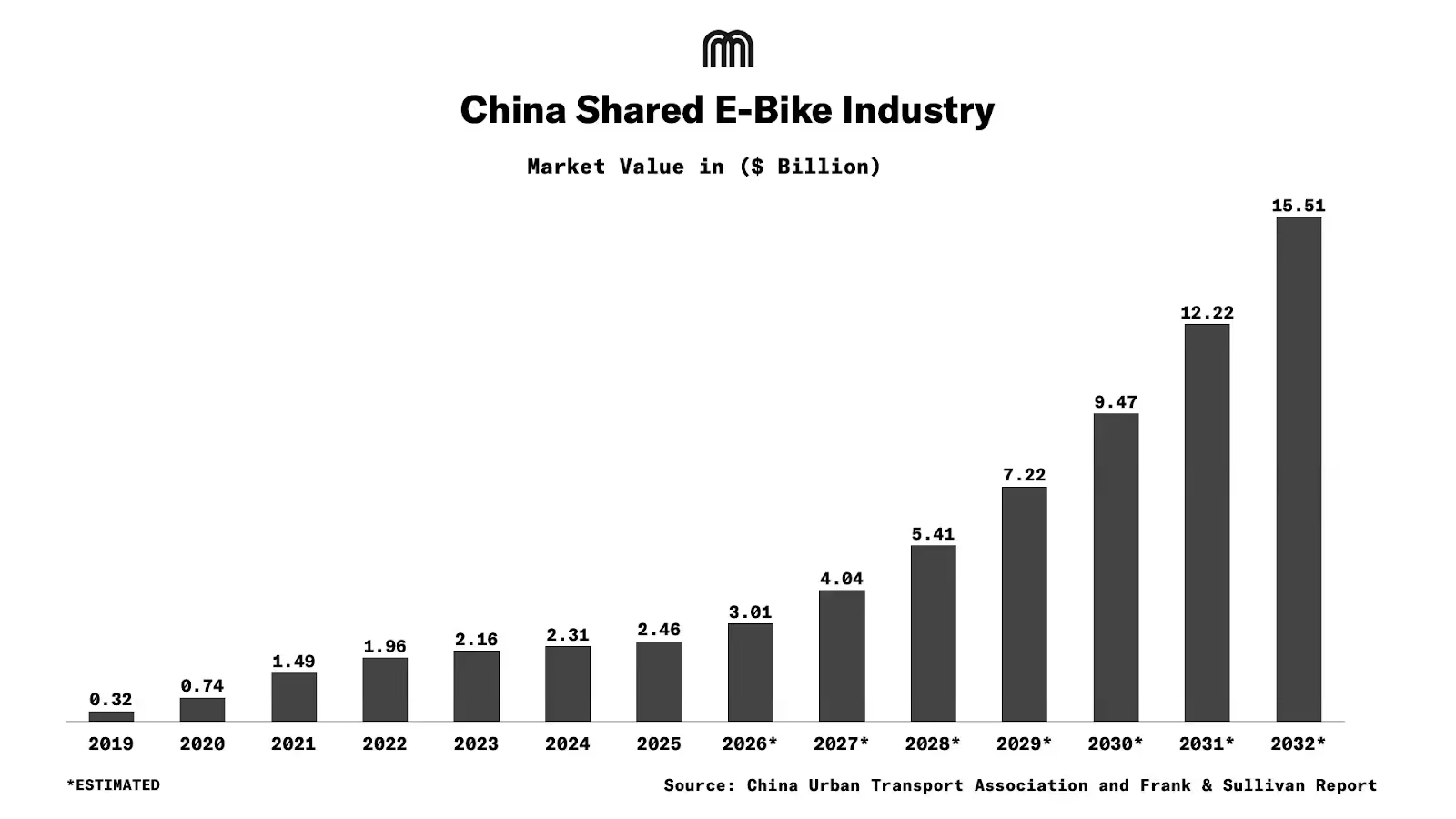
Urban districts vs peripheral areas:
In urban municipal districts, dense populations and employment hubs drive faster adoption: transaction volume rose from $167m to $1.7B over the same period (CAGR 59.8%) and is expected to reach $10.5B by 2032 (CAGR 25.5%).
Operational Footprint & Services
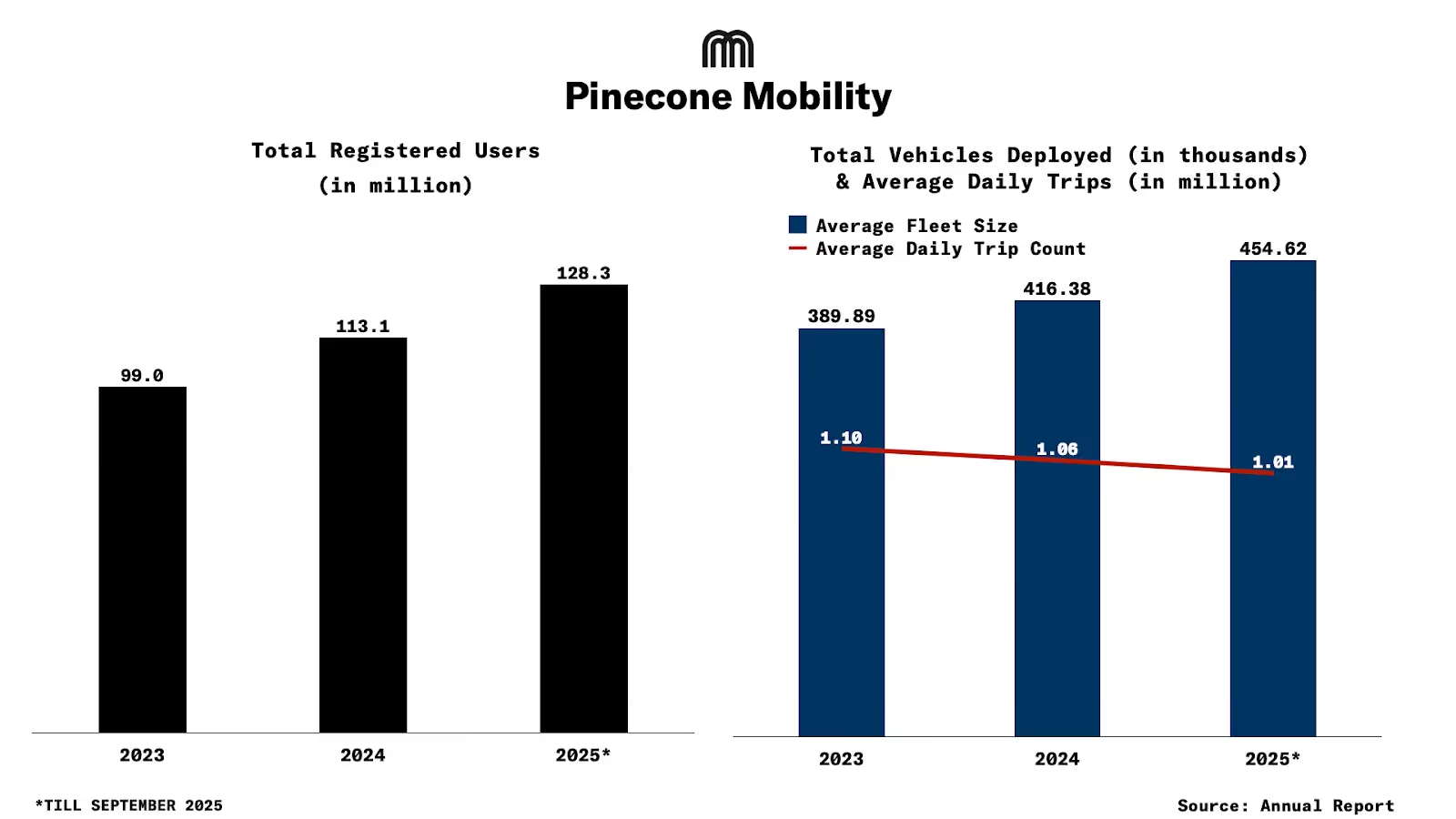
The company’s registered user base expanded from about 99m at the end of 2023 to 128.3m by September 30, 2025. Shared e-bikes are deployed to meet high demand for flexible transport, especially trips under 10 km, a segment representing a large portion of urban mobility. As of late 2025, the company has no international operations, though IPO proceeds are intended to support future overseas expansion.
Technology & Operational System
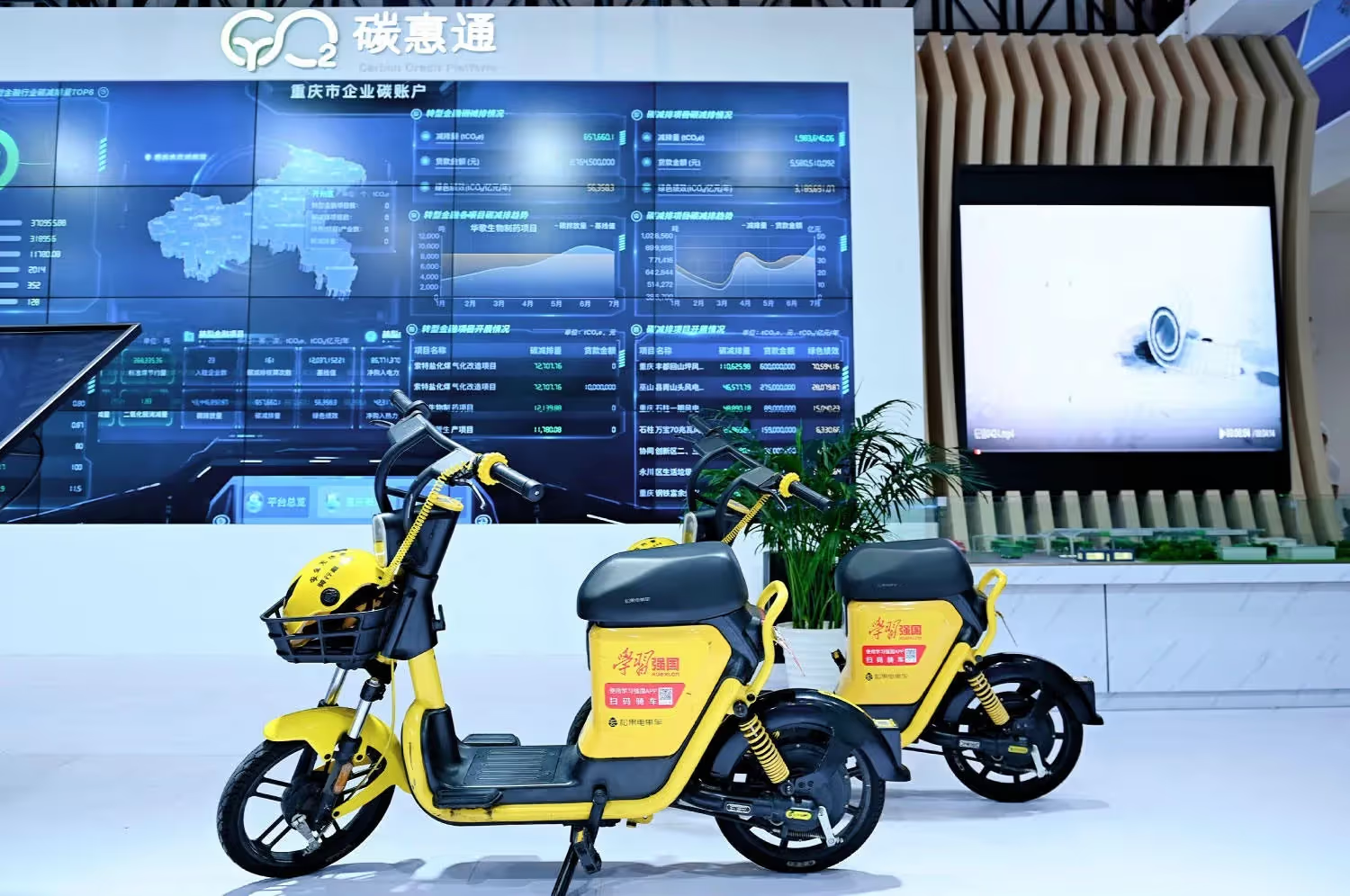
Pinecone leverages a proprietary AI-Based Operational Management System that uses big data, machine learning, and predictive analytics to optimize fleet deployment, rebalancing, and maintenance in real time. This tech platform supports higher operational efficiency and ensures bikes are available where demand is strong.
Additionally, Pinecone controls its manufacturing process through an intelligent factory, enabling in-house e-bike design, production, and quality control, a rare integrated model in the shared e-bike segment.
Government policies including safety standards and national market integration guidelines have lowered regional entry barriers and reinforced regulatory support for shared mobility solutions like Pinecone’s services.
Financial Performance
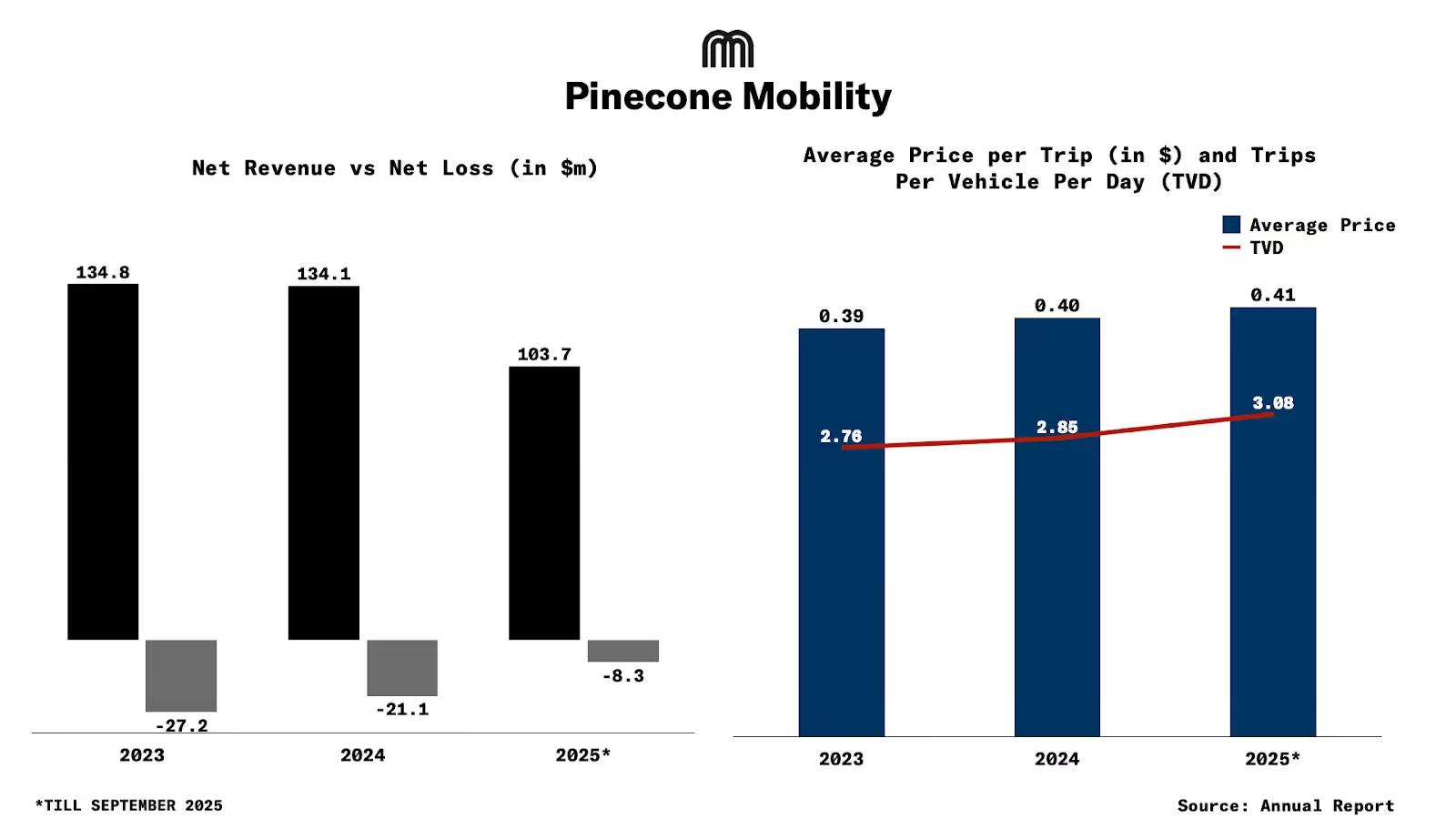
According to disclosures ahead of its IPO filing, Pinecone Mobility reported stable revenue of $103m in the first nine months of 2025. This is an increase from $131m in revenue in 2023 and $133m in 2024.
Gross profit grew from $21m (15.8% margin) in 2023 to $26m (18.9% margin) in 2024, and reached approximately $27m with a 24.3% margin in the first nine months of 2025, reflecting improved operational efficiency.
Under IFRS, Pinecone reported net losses before adjustments of roughly $27m in 2023, $21m in 2024, and about $8m in the first nine months of 2025.
These financial improvements reflect Pinecone’s ability to scale efficiently and enhance unit economics as its network and systems mature.
Pinecone is Ready for IPO
On January 2nd, Pinecone officially filed its prospectus with the Hong Kong Stock Exchange (HKEX) to list on the Main Board, with Huatai International as sole sponsor. The IPO is positioned to support expansion plans, enhance technology and R&D, commercialize direct e-bike sales, and explore opportunities in overseas markets. The company’s improved financial performance, particularly expanded gross margins and adjusted profitability ahead of the IPO, strengthens its public market narrative.
Outlook & Future Strategy
For 2026, Pinecone’s strategic priorities focus on driving scaled growth and execution post-IPO, including deeper penetration in existing Chinese markets and targeted entry into new cities with larger population bases. The company also intends to increase product and platform innovation through continued investment in AI and technology, further integrate its dual shared-and-sales business model with premium e-bike offerings, and begin laying groundwork for international expansion via partnerships or acquisitions, leveraging its operational, manufacturing, and AI strengths.