.svg)
%2Bcopy.avif)

.svg)

.jpg)
%20(1).jpeg)
.jpg)


.webp)

Fresh rides, bold takeovers, and everything in between. Micromobility Weekly is your pit stop for the industry’s sharpest twists, turns, and takeovers. Come Ride Along!
Got Your Micromobility Moment To Share? Email - press@micromobility.io
Hooked but not subscribed? 👀 Now’s the time. You’ll thank yourself later.
Micromobility Europe 2026

Imagine this ticket just hit your inbox because you grabbed the early bird and locked in the best rate.
Micromobility Europe 2026 | 2-3 June | Berlin - Two high-energy days of big ideas and bold conversations with the people shaping the future of urban mobility. From e-bikes and scooters to microcars, batteries, software, and city policy, everything that powers micromobility comes together under one roof.
We are building a true gathering of the micromobility ecosystem, where every voice, insight, and contribution moves the industry forward. Let’s set the pace and shape what comes next- TOGETHER!
Early bird tickets are live now. Grab yours and be part of the movement shaping how the world moves.
Join McKinsey, Rivian’s ALSO, Dott, NextBike, POLIS, Urban Sharing, Navee, CityFi, Valeo, XYTE, Vmax and many others!
[Sponsor/Exhibit] | [Speak at the Event] | [Exhibit as a Startup] | [Get A Free Pass]
And to find all about Micromobility America | Nov 11-12 | Palace of Fine Arts, SFO - HERE!
What You Need to Know Today
Past, Present And Future Of Micromobility Featuring Kersten Heineke, McKinsey & Company
In this episode of the Micromobility Podcast, Prabin Joel Jones, CEO of Micromobility Industries, sits down with Kersten Heineke, Partner and Co-Lead at the McKinseyCenter for Future Mobility, to explore the past, present, and future of micromobility.
Heads up! Our podcast has a new dock on YouTube, Apple, and Spotify. Make sure to resubscribe, so you don’t miss out. Stay Tuned!!!
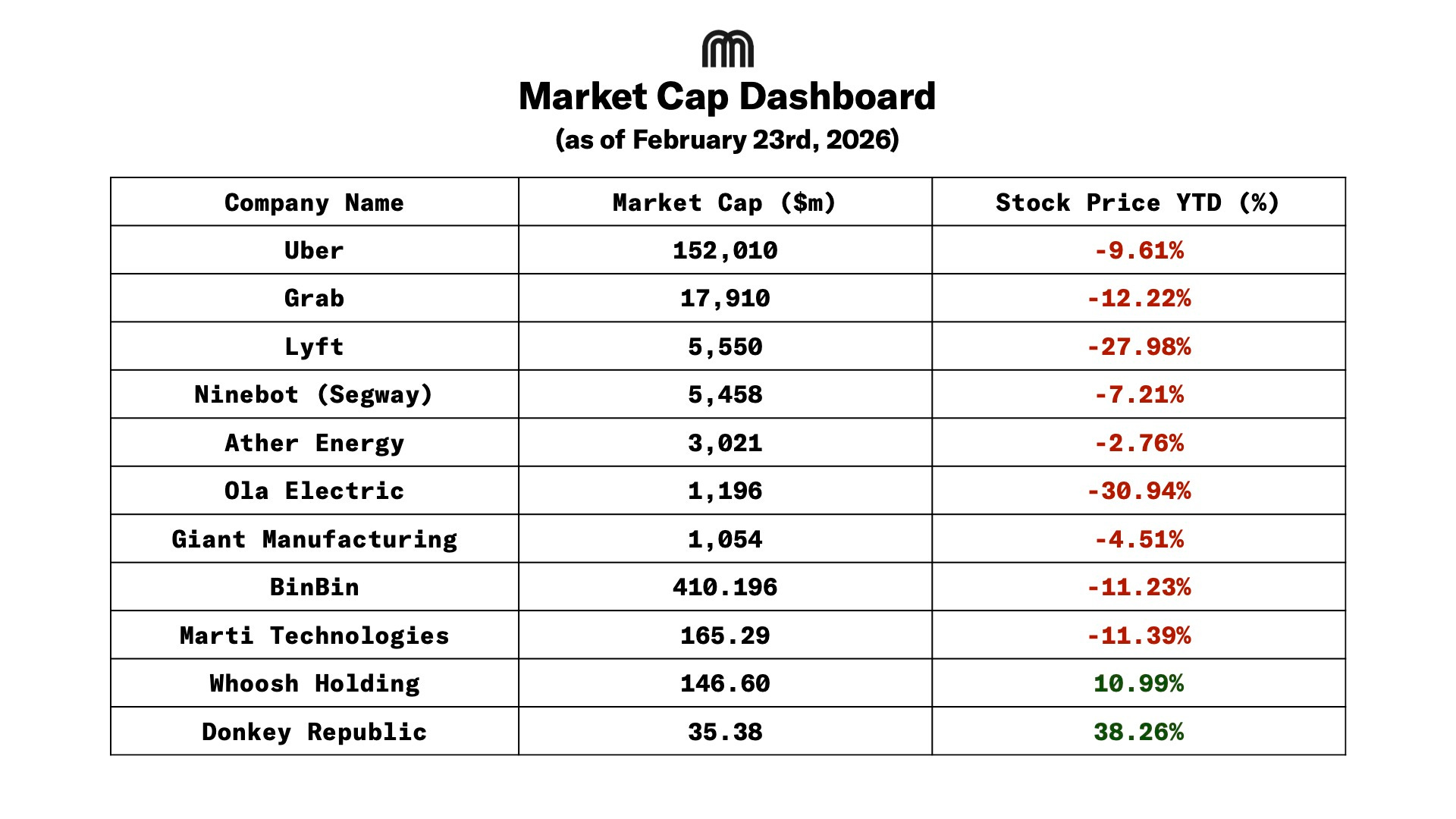
Market Cap Dashboard
Lime Expands LimePrime Subscription Globally
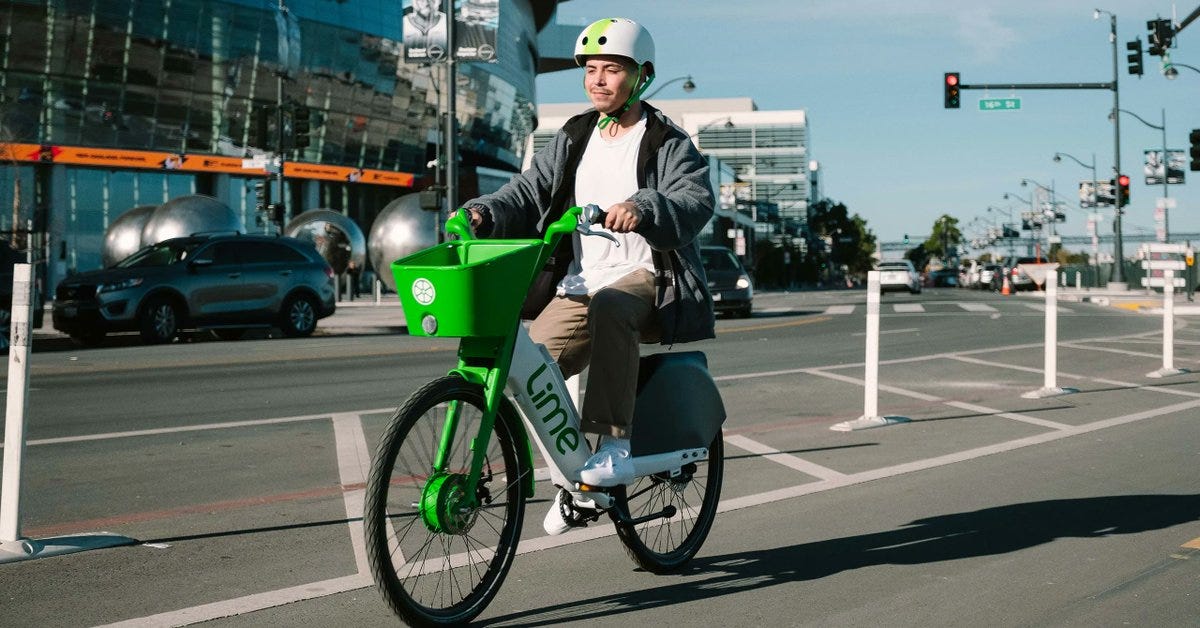
Lime has rolled out an upgraded version of its LimePrime subscription worldwide, aiming to make frequent riding more affordable through simpler, predictable pricing. The revamped plan offers unlimited flat-rate rides up to 20 minutes, discounted pricing for very short trips, free unlocks, longer reservations, and group ride benefits, with prices varying by market. Launching across the US, UK, Italy, Germany, Australia, and New Zealand, the update is designed to reduce everyday travel costs while encouraging riders to choose shared, sustainable micromobility over driving.
E-Cargo Quads Are the Future of Last-Mile Delivery
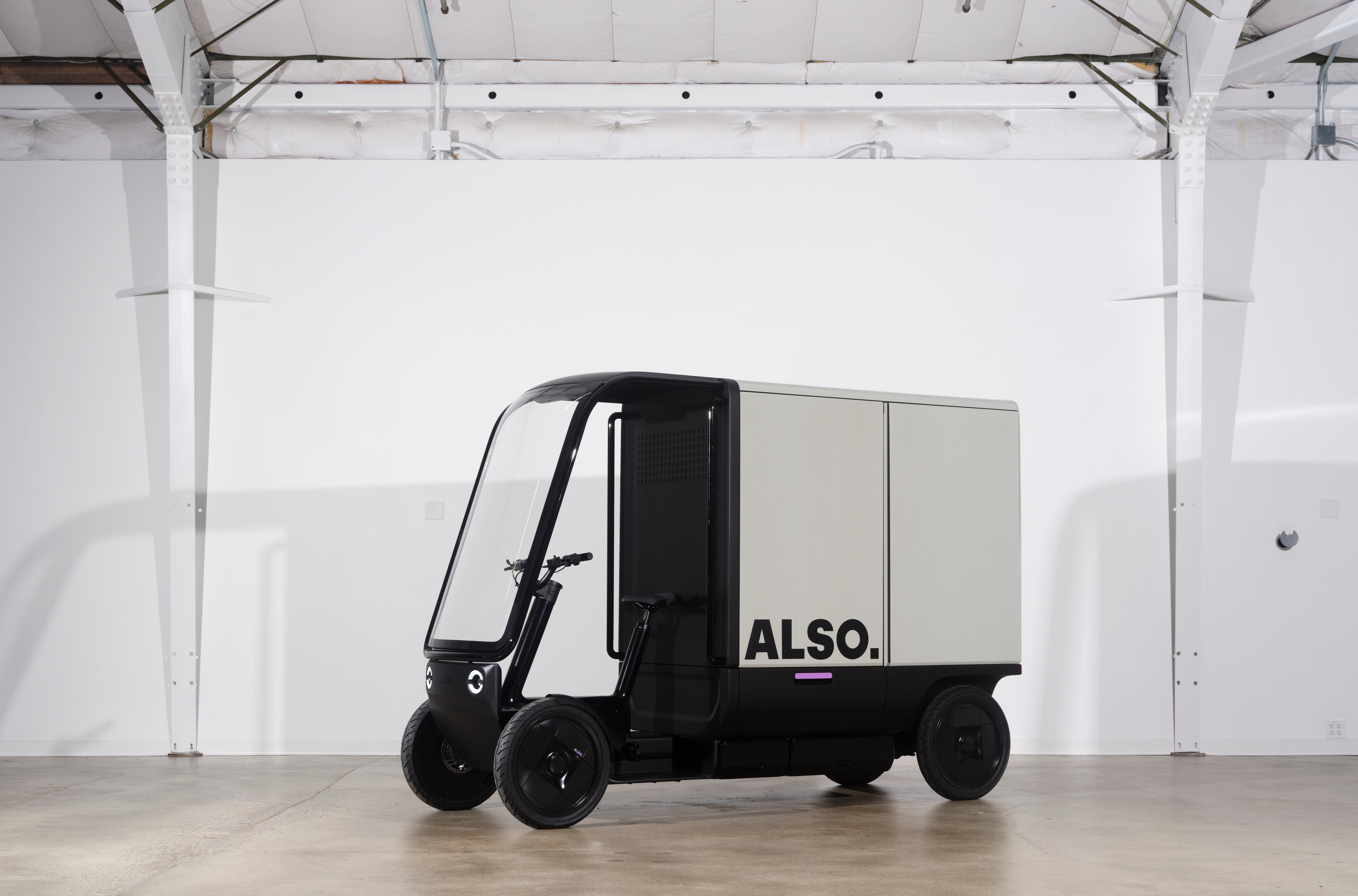
E-cargo quads, four-wheeled, pedal-assist cargo vehicles are gaining traction as a practical bridge between cargo bikes and vans, designed specifically for dense urban deliveries. They combine bike-lane access with higher payload capacity and enclosed cargo space, making them faster, quieter, and far less polluting than vans for last-mile logistics. Their rise is closely tied to delivery demand, with companies like Amazonalready deploying them at scale and partnering with manufacturers such as ALSO to roll out purpose-built quad vehicles. As urban freight volumes grow and cities push to cut congestion and emissions, e-cargo quads are increasingly positioned as a core tool for efficient, low-impact last-mile delivery.
Insurance in Micromobility
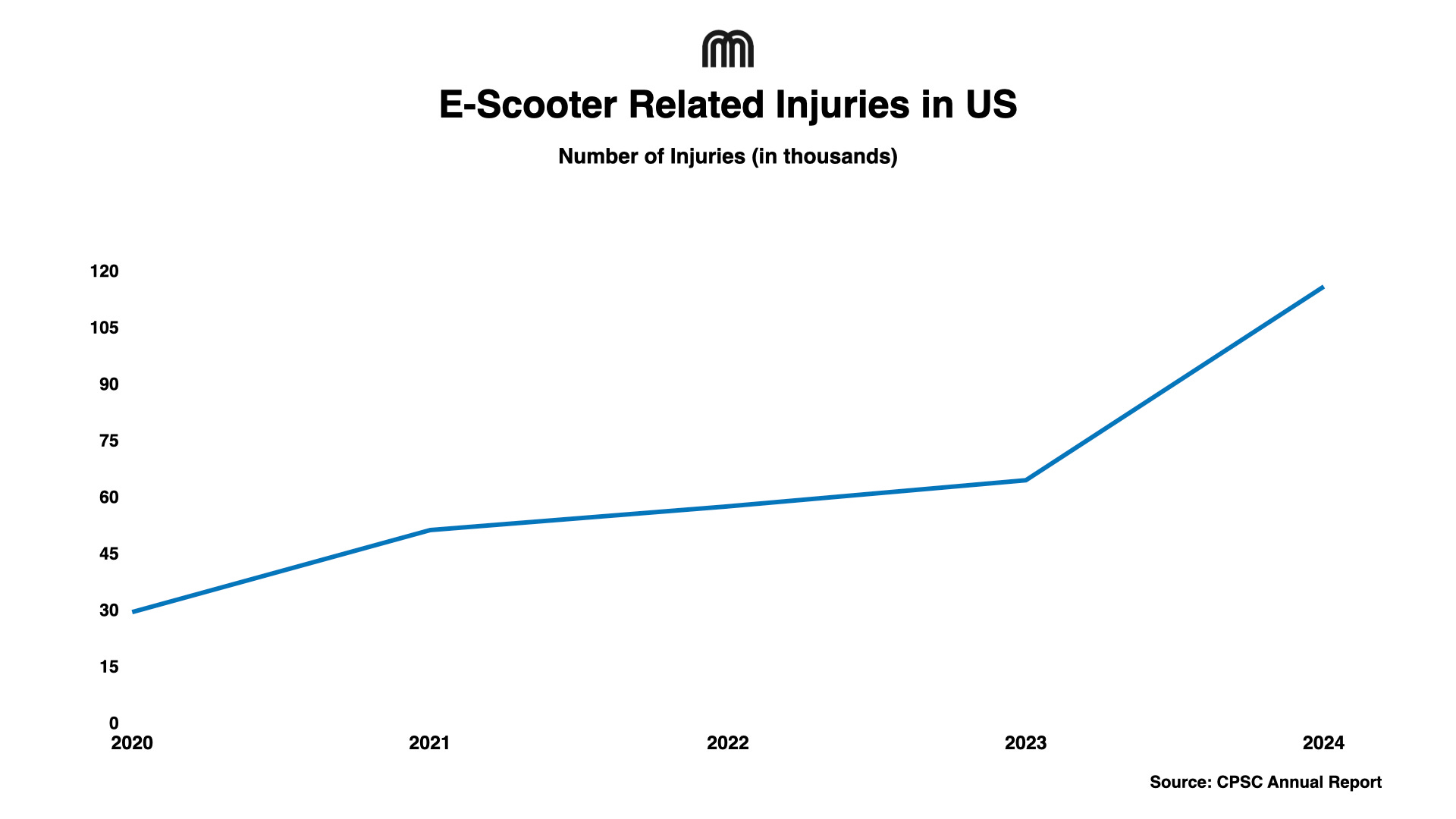
Insurance is emerging as the quiet backbone of micromobility as e-bikes and e-scooters scale faster than streets and regulations can adapt. An expert from Christensen Group note that car-centric infrastructure and fragmented laws are driving higher injury, liability, and operational risks, pushing insurers to act as quasi-regulators by enforcing safety standards and shaping best practices. At the same time, newer models like Laka are rethinking coverage altogether, using collective, claims-based pricing to better reflect real-world usage, high theft rates, and frequent urban riding. Together, these approaches show that insurance is no longer just a financial add-on but a critical layer of infrastructure enabling micromobility to grow safely, credibly, and at scale.

- Arapahoe County in the Denver metro area plans to expand micromobility and micro-transit options.
- Veo’s electric scooters are returning to the University of Toledo campus this week after the winter break.
- Labour Party has confirmed plans to reform e-scooter regulations in the UK, with a public consultation expected later this year.
- Istanbul has awarded a 10-year bikeshare operating license to Yapıdrom(1k e-bikes), Tripy (700), and hop (700).
- Residents of Lake Worth Beach, Florida, are urging city leaders to regulate fast-moving e-bikes and e-scooters on sidewalks
- BLM is considering expanding Class 1 e-bike access on mountain bike trails in Colorado’s River Valley and is seeking public feedback.
- Washington state lawmakers are moving to reclassify high-powered e-bikes as motorcycles for safety and enforcement.
- In the Netherlands, Groningen renews shared mobility network with e-cargo bikes and more e-bikes.
- E-scooter injury claims are rising sharply, with riders under 25 most affected, prompting calls in New Zealand for compulsory helmets and stronger safety rules.
- NYC declared a winter weather emergency, temporarily banning most traffic, including e-bikes and scooters, from Feb. 22-23, 2026.
Aventon Debuts Ramblas ADV e-MTB With 90-Mile Range
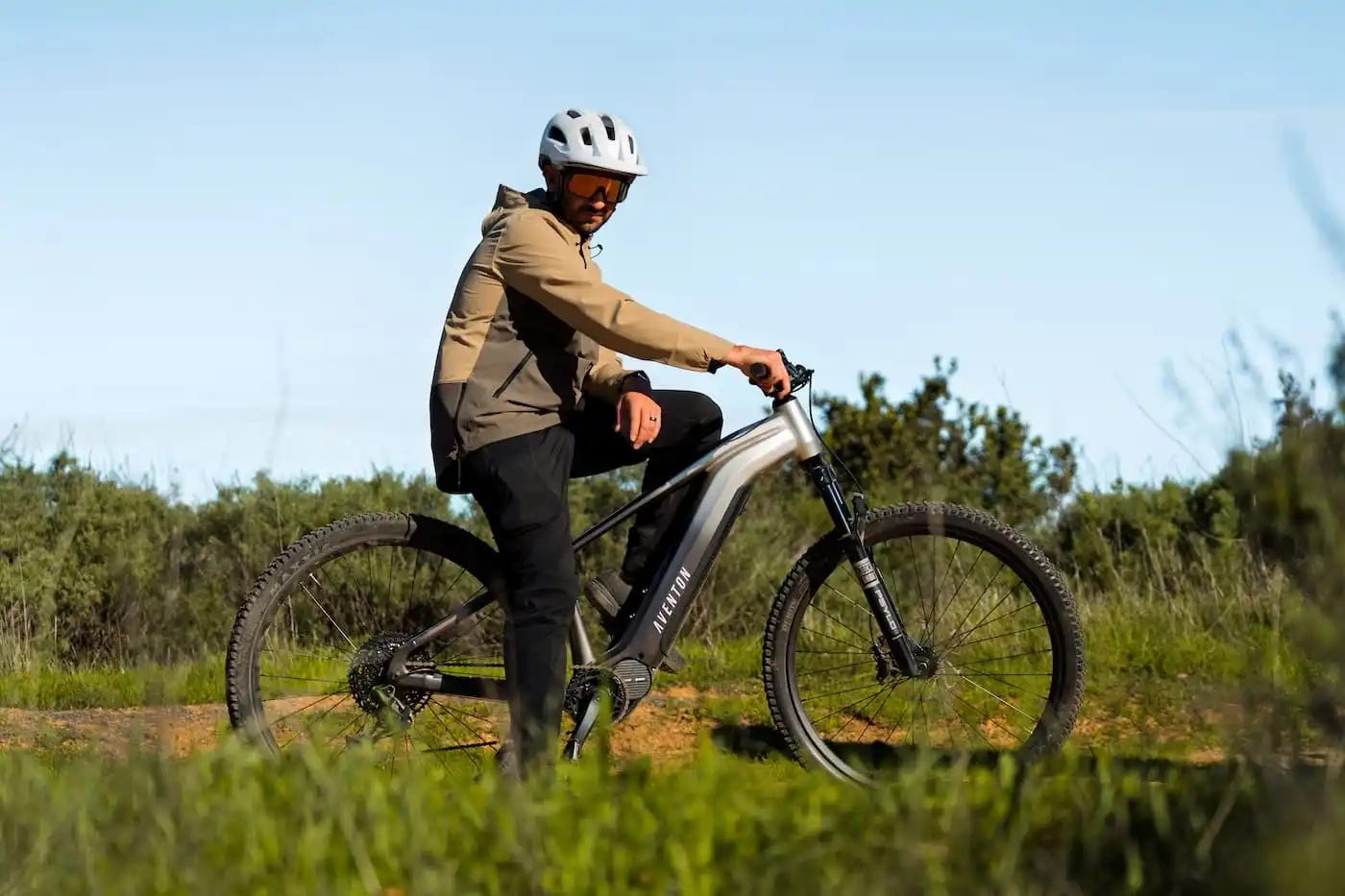
Aventon has launched the Ramblas ADV, a hardtail electric mountain bike featuring a new in-house A100 mid-drive motor, a 708 Wh battery, and up to 90 miles(145 km) of range. The Class 1 e-MTB delivers 100 Nm of torque, runs on 29-inch wheels, and comes with RockShox suspension, SRAM NX Eagle 12-speed drivetrain, and 4-piston hydraulic disc brakes. Convertible to Class 3 (up to 28 mph), the Ramblas ADV is priced at $2,899 and available now in multiple colors and sizes.
Bizkaia Bike Share Expansion
In Spain, Bizkaia has approved BizkaiBizi 2.0 to expand its public bike system to 113 municipalities by 2027, reaching about 1.15m residents. The province will invest around €3.8m annually to fund fleet, stations, and operations. The model combines short-term urban bike share in 38 towns with long-term loans across 75 rural areas. It aims to ensure equitable access, integrate with public transport, and support daily cycling province-wide.
Forest Adds Sobriety Check to London E-Bikes

Forest has introduced an in-app sobriety test for its shared e-bikes in London, aiming to reduce riding under the influence and improve road safety. The reaction-time test, which appears when users tap “Rent Now,” will roll out gradually across Forest’s ~20k e-bike fleet and is triggered at higher-risk times and locations, such as late nights in central areas. Riders who fail the test after multiple attempts are temporarily blocked from starting a ride, with results logged for compliance. The feature was developed in consultation with the Metropolitan Police and is designed to proactively prevent unsafe journeys rather than punish riders.
NSW Moves to Set Minimum Age for E-Bike Riders
In Australia, New South Wales is preparing to introduce a minimum age requirement for e-bike riders, responding to rising safety concerns and a surge in reckless riding by children. Following an expert review, the state is considering an age limit between ages 12 and 16, along with tighter rules on passenger carrying, stricter safety standards to prevent throttle-only bikes, and stronger enforcement powers against illegally modified e-bikes. With an estimated 760k e-bikes already in use across New South Wales, the reforms aim to balance active, low-carbon transport with pedestrian and road safety. Final recommendations are expected by mid-2026 and could set a precedent for other regions managing rapid e-bike adoption.
Batavia, Illinois, Weighs New E-Bike and E-Scooter Rules
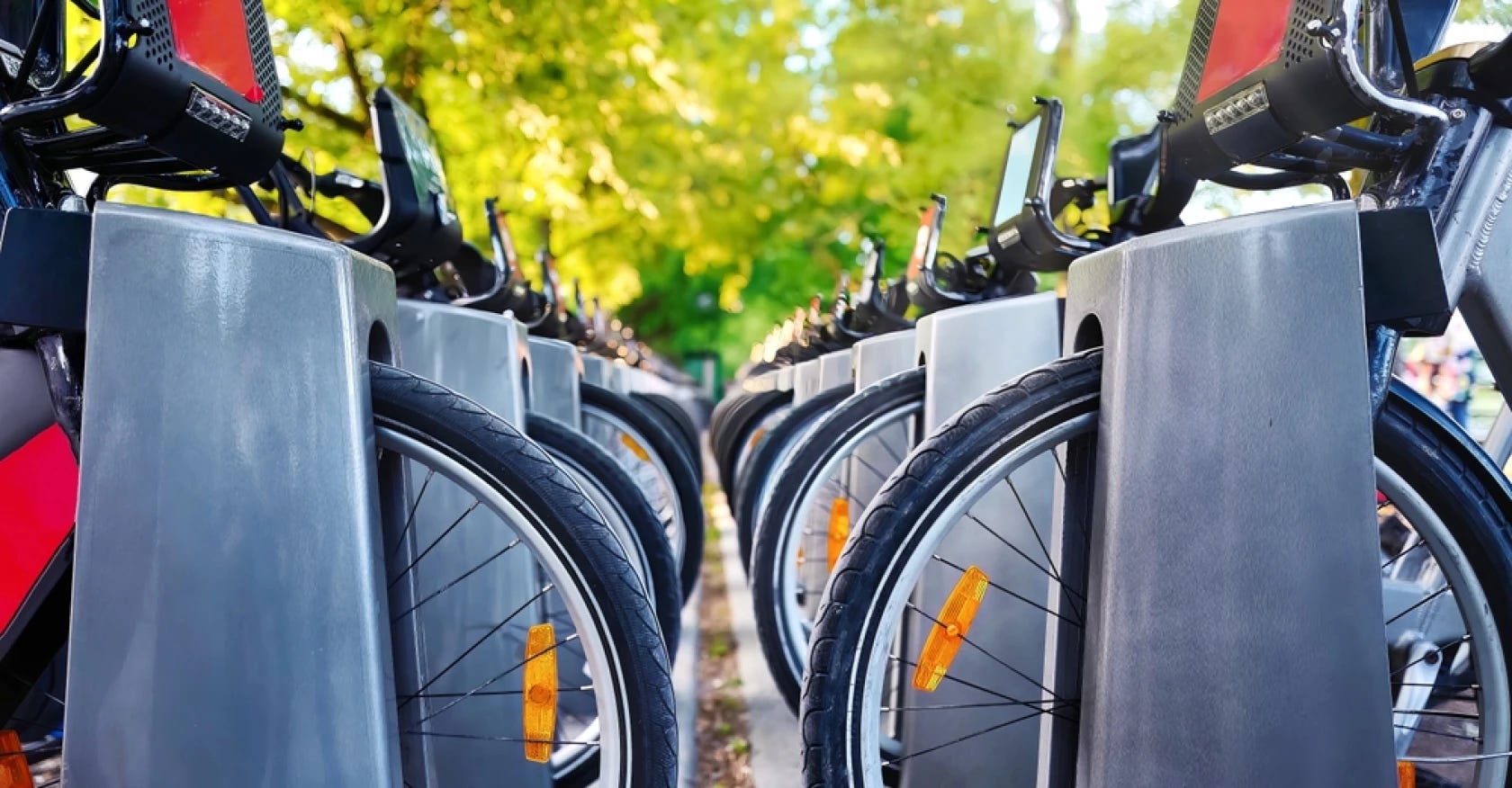
Batavia is considering new regulations for e-bikes, e-scooters, and other e-mobility devices to address rising safety concerns while preserving commuting options. City officials are looking to align local rules with Illinois state law and nearby suburbs, focusing on issues like unsafe riding near pedestrians, child riders without helmets, and unregulated high-speed “e-motos.” Proposed measures include helmet requirements for riders under 16, sidewalk bans, lighting standards, parental responsibility for minors, speed limits on shared paths, and graduated penalties, paired with a strong public education campaign before enforcement begins.
Florida Cracks Down on Modified E-Bikes
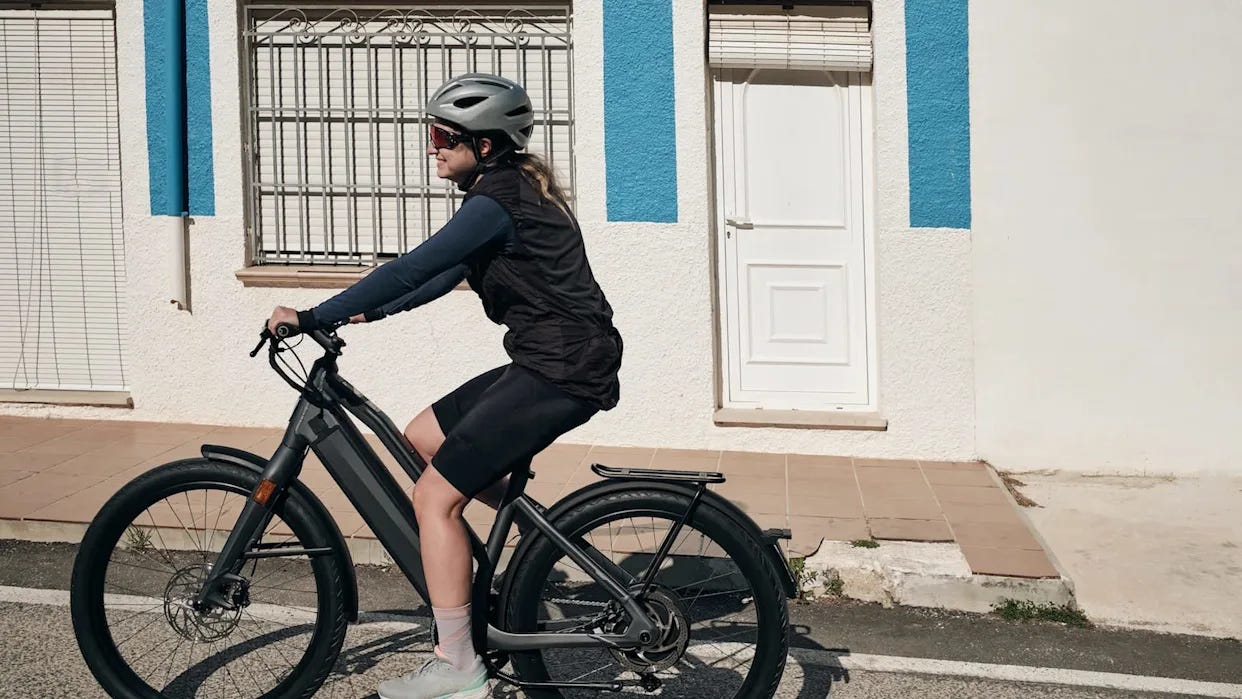
Florida lawmakers are considering new rules to curb unsafe e-bike use, including fines for dangerous modifications. A proposed bill would require Class 3 e-bike riders (up to 28 mph) to hold a driver’s license or learner’s permit, add e-bike questions to driving tests, and impose a $100 fine for illegal modifications. Crashes would also require reporting the rider’s age and vehicle type. Lawmakers say the goal is to reduce injuries and fatalities as high-speed, throttle-modified e-bikes become more common, especially among younger riders.
Jalisco Electrifies its Bikeshare System
In Mexico, Jalisco is adding 960 e-bikes to the Mi Bici system, its biggest expansion in 11 years. The project includes about $11.65m in investment and new electric stations across Guadalajara’s metro area. By mid-2026, the network will reach ~5k bikes and 470 stations across three municipalities. The Jalisco e-bike rollout also includes 100 new electric docking stations across Guadalajara’s metro area.
Groningen Relaunches Shared Mobility
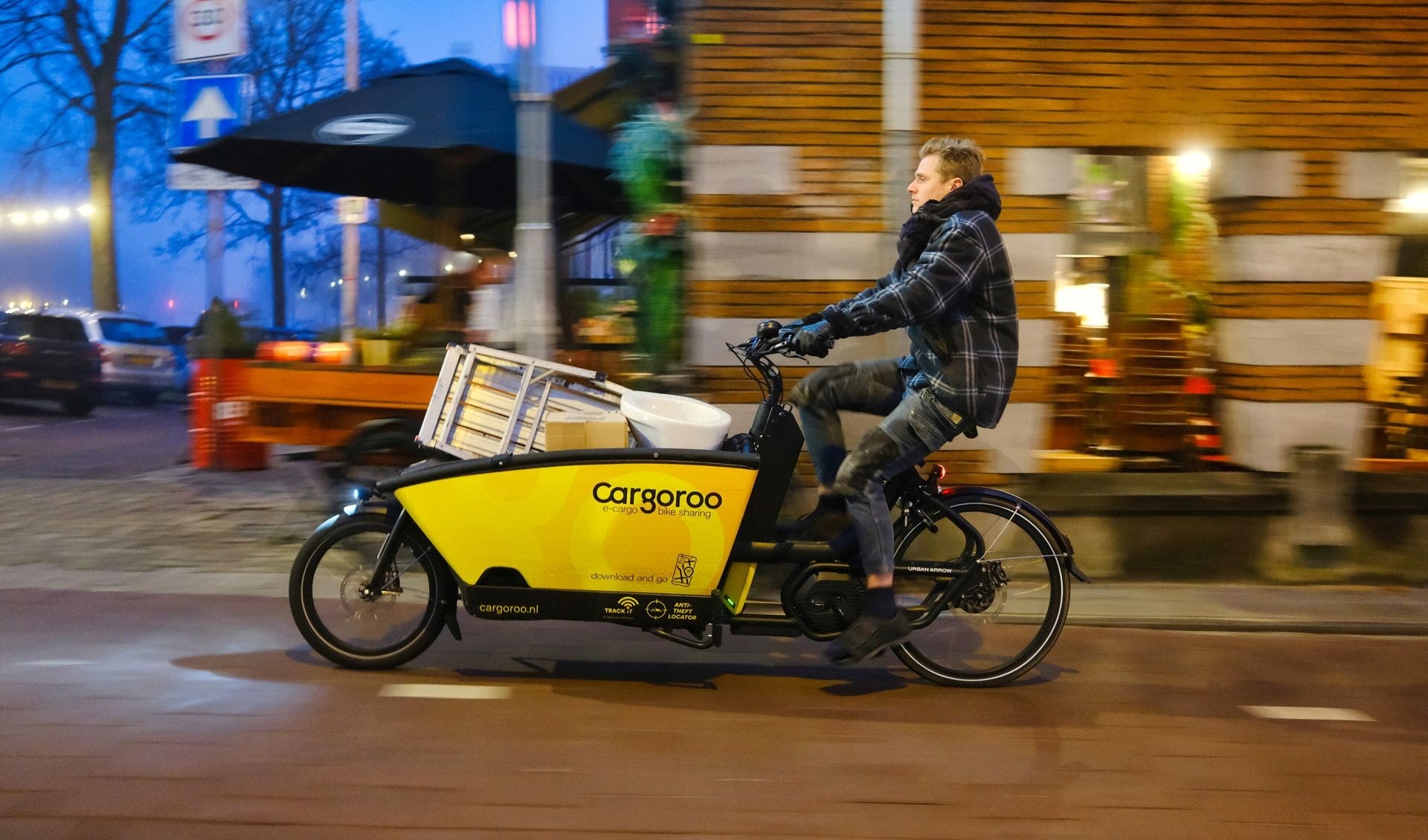
From March 2026, the Netherlands’ Groningen city will relaunch its shared mobility network with tighter city control and updated permits. Voi and Dott will each deploy 400 shared e-bikes after Bolt’s exit, while Moby adds 50 hub-based shared e-cargo bikes. Scooter operator Check expands from 300 to 600 vehicles following Felyx’s departure. The city is standardising parking zones and deployment to better manage public space and last-mile travel.
Got your micromobility moment to share? Email us at press@micromobility.io
Loving the vibe? Hop on and ride with us! Subscribe!