.svg)
%2Bcopy.avif)


.svg)

.webp)


.jpg)
%20(1).jpeg)
.jpg)
Fresh rides, bold takeovers, and everything in between. Micromobility Weekly is your pit stop for the industry’s sharpest twists, turns, and takeovers. Come Ride Along!
Got Your Micromobility Moment To Share? Email - press@micromobility.io
Hooked but not subscribed? 👀 Now’s the time. You’ll thank yourself later.
Limited-Time Tickets Now Available for Micromobility Europe 2026 at €475!

Tickets for Micromobility Europe 2026 are now €475 for a limited time.
Your pass includes full access to both days, the expo, test track, networking app, and after party 🎊
The offer ends April 16, but with limited tickets available, it could sell out sooner.
If you’re planning to join, now’s the moment to lock in the lowest price.
Join McKinsey, Rivian’s ALSO, LYFT, RYDE, Dott, NextBike, POLIS, Urban Sharing, Navee, CityFi, Valeo, XYTE, Vmax, Microlino, Standab, Atom and many others!
[Sponsor/Exhibit] | [Speak at the Event] | [Exhibit as a Startup] | [Get A Free Pass]
And to find all about Micromobility America | Nov 11-12 | Palace of Fine Arts, SFO - HERE!
What You Need to Know Today
Why Some Cities Win at Micromobility with Karen Vancluysen, Secretary General of POLIS
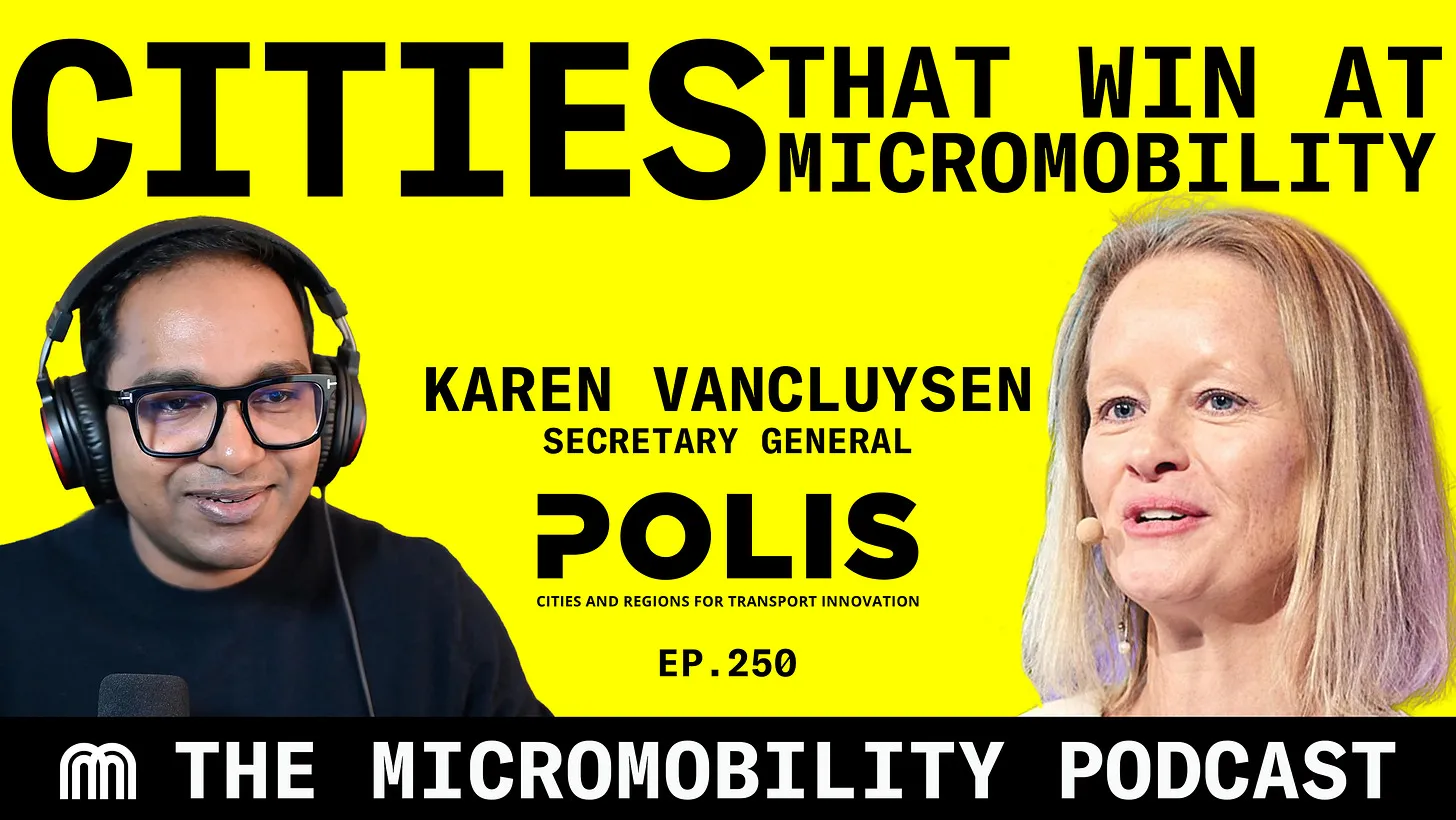
In this episode of the Micromobility Podcast, Prabin Joel Jones speaks with Karen Vancluysen, Secretary General of Polis Network, about how cities across Europe are navigating the rise of micromobility and what separates those that succeed from those that struggle
Heads up! Our podcast has a new dock on YouTube, Apple, and Spotify. Make sure to resubscribe so you don’t miss out. Stay Tuned!!!
NIU Sells 262K Vehicles in Q1 2026, Up 29% YoY
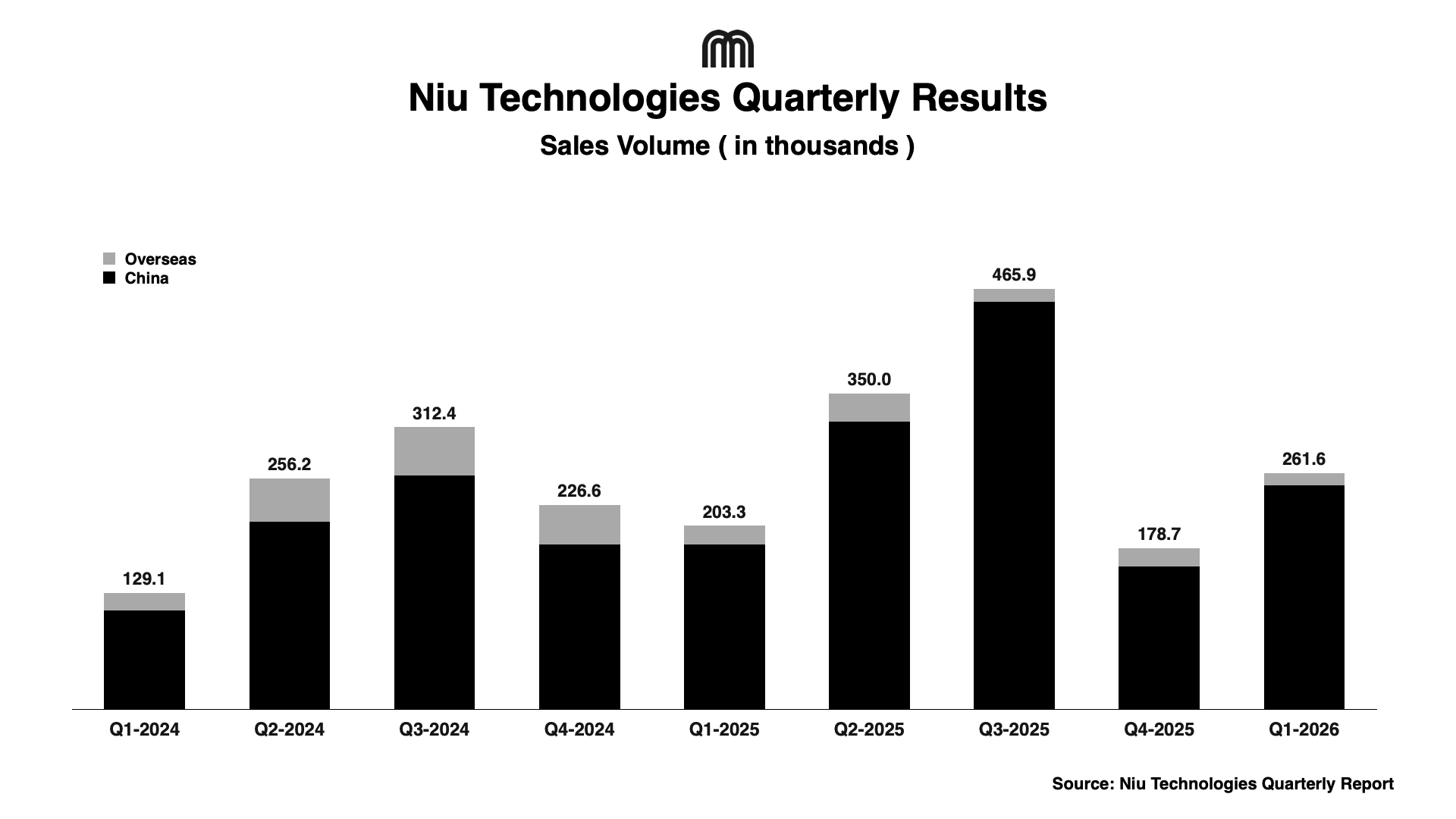
Niu Technologies reported strong Q1 2026 sales, delivering 261.6k units globally, marking a 29% year-on-year increase. The growth was heavily driven by the China market, where sales rose 35% to 247.9k units, powered by strong demand for models like the MT2026, which alone contributed nearly 30% of domestic sales. In contrast, international sales declined 32%, as the company shifts strategy to focus on higher-growth electric motorcycles and streamline its micromobility operations.
NIU also introduced new smart models like the NXT2.0, featuring AI-assisted riding and advanced safety tech, reinforcing its push toward intelligent urban mobility.
Bikes Exempted from U.S. Tariffs
PeopleForBikes, the U.S. bicycle industry's trade association, announced a major win for the U.S. bicycle industry, as the government excluded bicycles and e-bikes from up to 50% steel and aluminum tariffs. The decision also reversed a 2025 move that had added e-bikes to tariffs, following strong industry advocacy involving over 1.3k public comments. As a result, bike companies will avoid higher costs, added compliance burdens, and supply chain disruptions, helping keep bicycles and e-bikes more affordable for consumers. While some components remain subject to tariffs, the exemption of complete bikes is seen as a significant boost for the industry and its growth.
Ghana’s First Bike-Share Adds E-Bikes
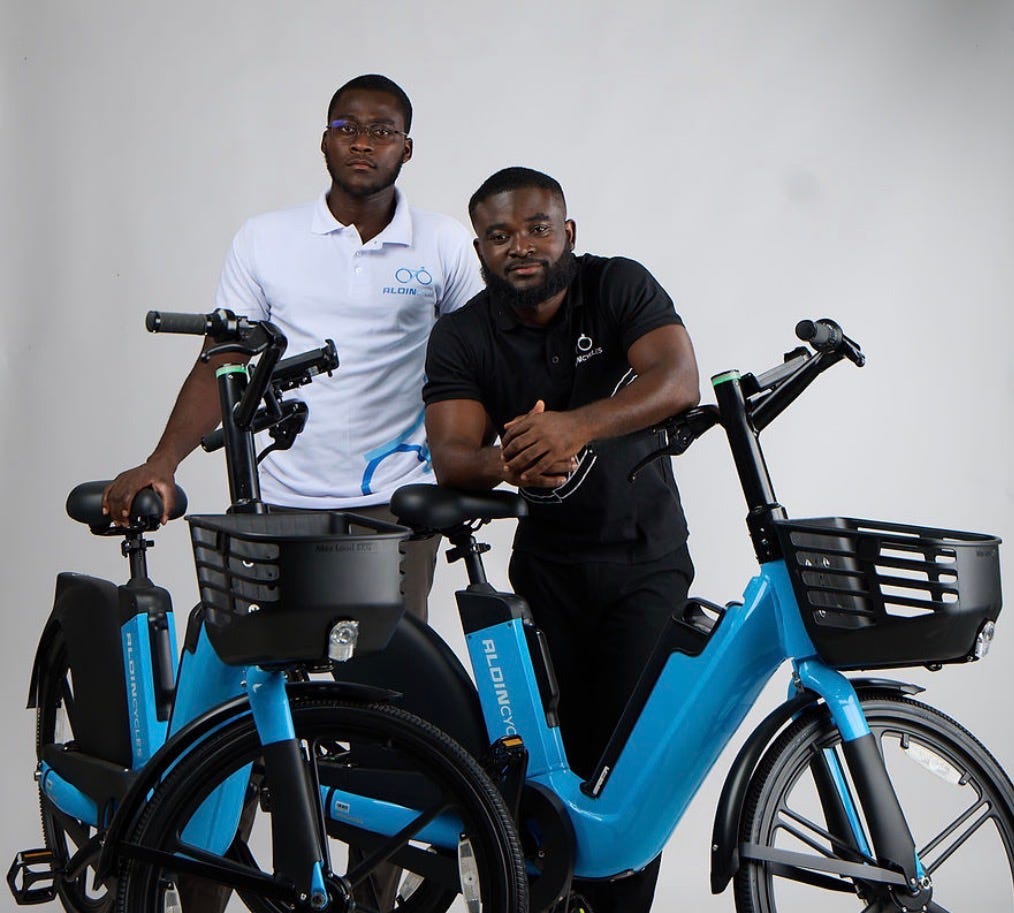
Ghana’s first bike-sharing service, launched by Aldin Cycles, is set to introduce its first fleet of e-bikes in June 2026, marking a key step forward for micromobility in the country. Since launching in May 2025 with 150 mechanical bikes, the service has grown to 220 bikes, with 50 e-bikes now being added. The platform has already recorded 24k signups and 73k trips, showing rising adoption as users become more familiar with bike-sharing. Aldin is currently focused on university campuses, including the University of Ghana, where controlled environments help address early-stage challenges like safety and infrastructure limitations.

- Vancouver, Canada sees Lime expand e-scooters to new neighbourhoods, surpassing 1m rides since its 2024 launch.
- California, USA’s proposed AB1614 could restrict carrying passengers on e-bikes by requiring separate seats, impacting popular bench-seat designs.
- JET, an e-scooter sharing company, has launched services in Belo Horizonte, Recife, and Maceió, expanding low-carbon mobility in Brazil.
- Rio de Janeiro, Brazil introduces strict micromobility rules, banning some e-vehicles from bike lanes and requiring licenses, raising legal and safety concerns.
- Miami Beach, Florida launches a dedicated police e-bike unit to improve safety and patrol efficiency in busy pedestrian areas.
- Metropolitan Transportation Authority and Westchester County receive $4.5M to expand e-bike parking and electric microtransit.
- Queensland plans sweeping micromobility laws including a 16+ age limit, licence requirement, 10 km/h footpath cap, and stronger enforcement amid rising injuries.
- Lime deploys 2.5k e-bikes and e-scooters, with riders praising the service as convenient and affordable.
- Montgomery County police raise concerns over e-bike safety, citing new rules on speed, power, and fines, with a focus on educating young riders.
- New Jersey introduces new e-bike rules including licensing, registration, insurance, and age limits, with a six-month grace period before enforcement.
Micromobility and Transit Integration
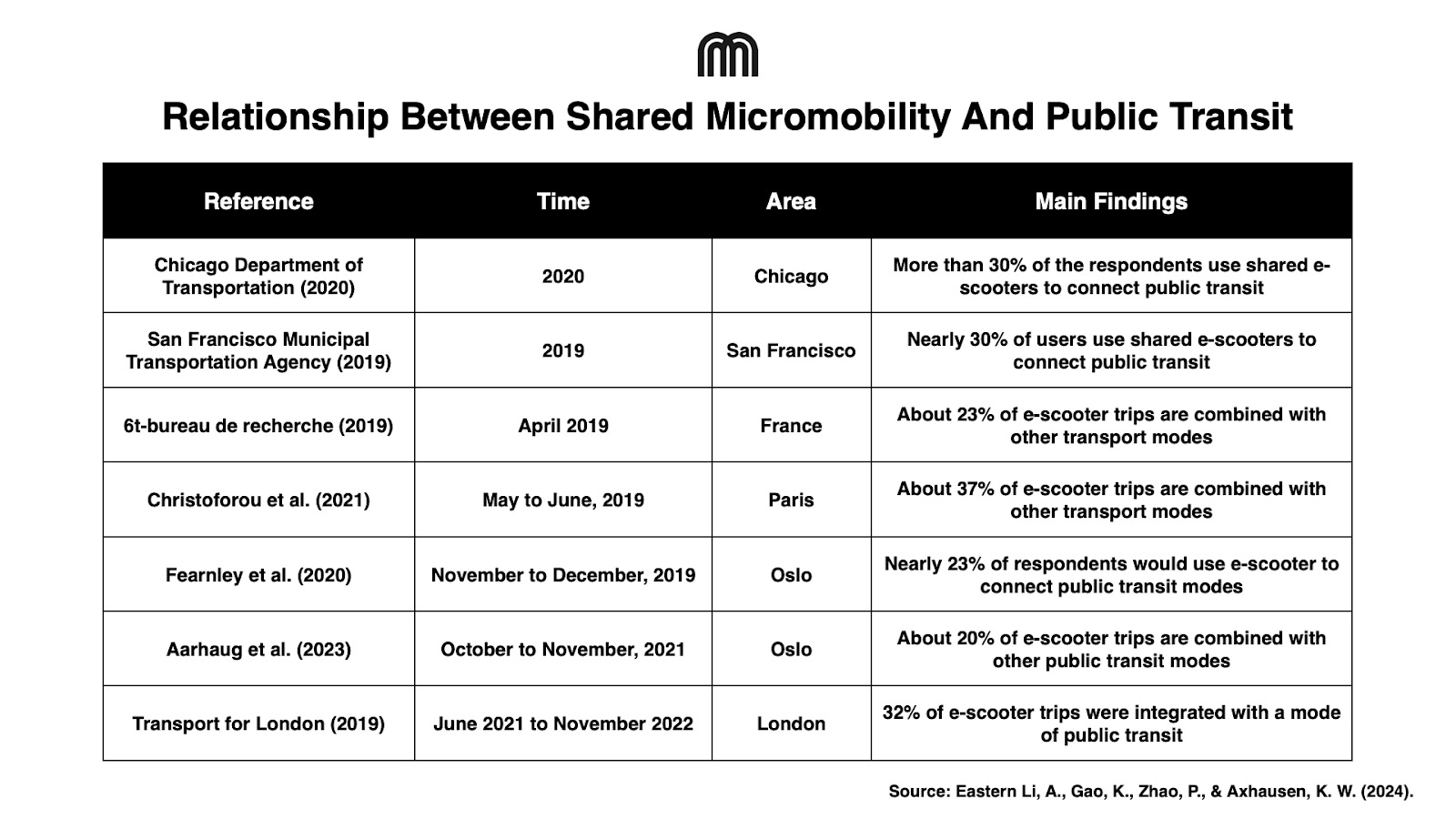
Micromobility is growing fast, but its integration with public transit remains inconsistent. While the idea of combining scooters or bikes with trains for first- and last-mile travel is compelling, real-world usage varies widely across cities. Studies show that only a portion of trips (roughly 4% to 51%) actually connect to transit, depending heavily on factors like transit density, infrastructure, and city design. Cities with better access to transit stops and safer cycling environments see much higher integration rates. Key barriers include safety, parking, pricing, and lack of coordination, limiting its full potential. The biggest environmental benefits come when micromobility replaces car trips, but that depends on better integration.
Spin Expands E-Bike Fleet in Baltimore
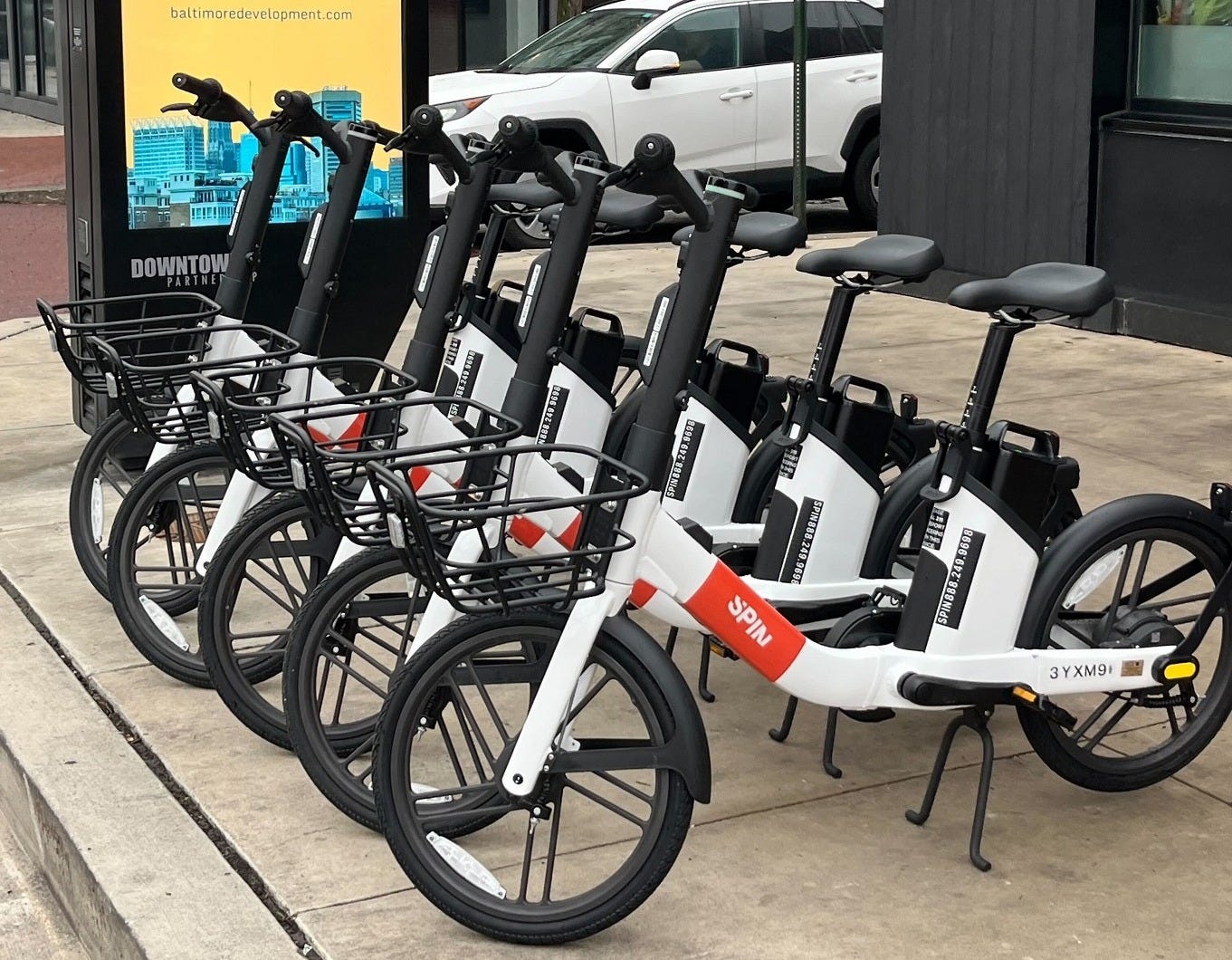
Spin, has launched a new electric bike fleet in Baltimore, aiming to improve access to sustainable transport across the city. The upgraded bikes feature adjustable seats, cargo baskets, enhanced safety systems, and real-time display tech, offering a more comfortable and user-friendly riding experience. The rollout focuses on expanding access in underserved communities, supported by Spin’s discounted ride program for low-income residents. The initiative also aligns with city goals to reduce car use, cut emissions, and improve connectivity through better integration with public transport.
Can Bike Theft Be Solved?
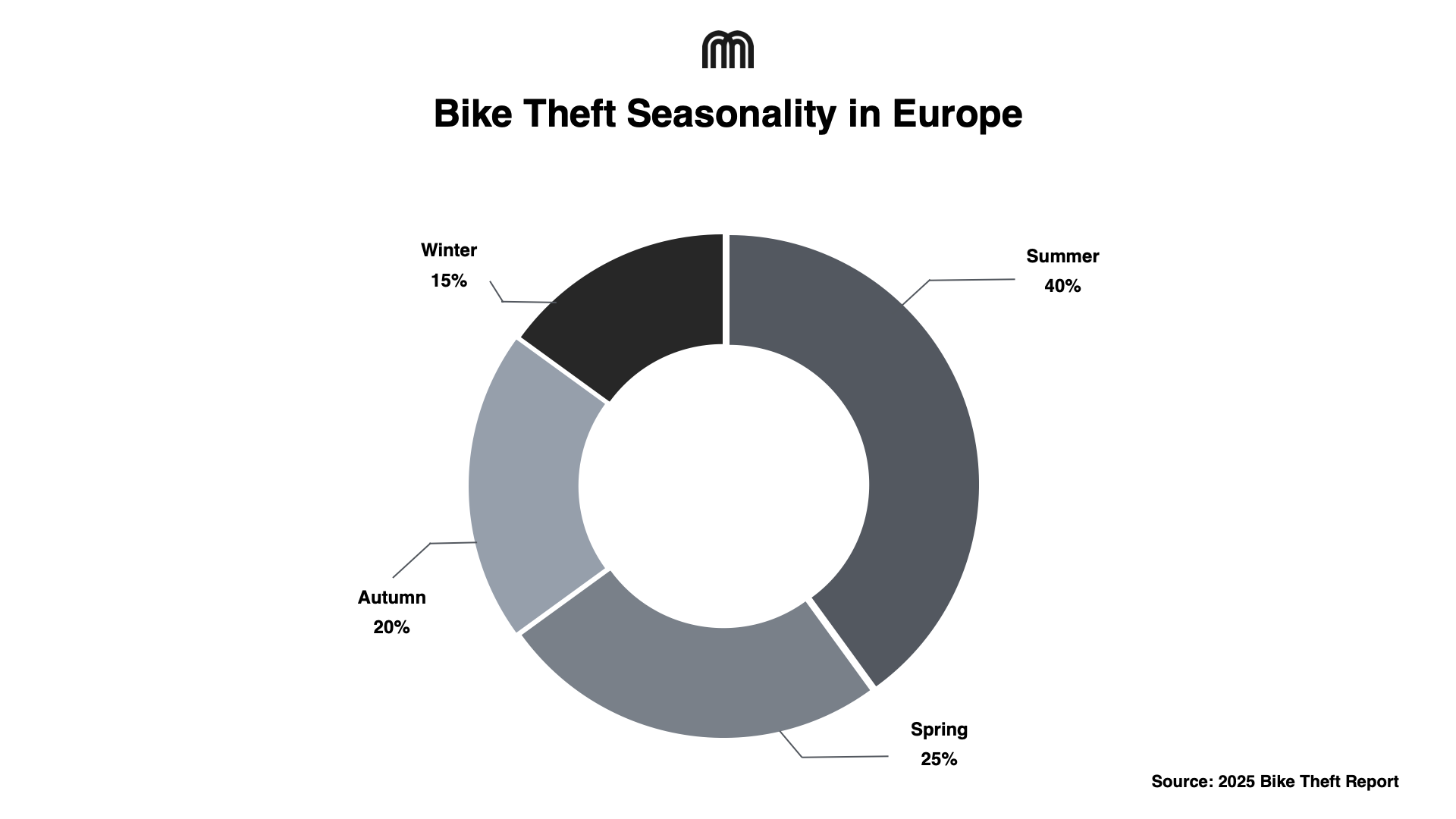
Bike theft remains a global and growing problem, with millions of bikes stolen each year and many cases going unreported. While higher cycling rates inflate numbers in places like the Netherlands, the overall trend is clear, the issue is widespread and increasing, driven by organized crime and low enforcement priority. Current solutions like registration systems and tracking programs exist, but their impact is limited. More promising approaches, such as GPS tracking and “kill switch”-style technology (similar to smartphones), show higher recovery rates and could deter theft at scale. Ultimately, solving bike theft will require coordinated action across brands, governments, and users, but the tools to significantly reduce it already exist.

XDS Unveils 9-Bike X-LAB Range
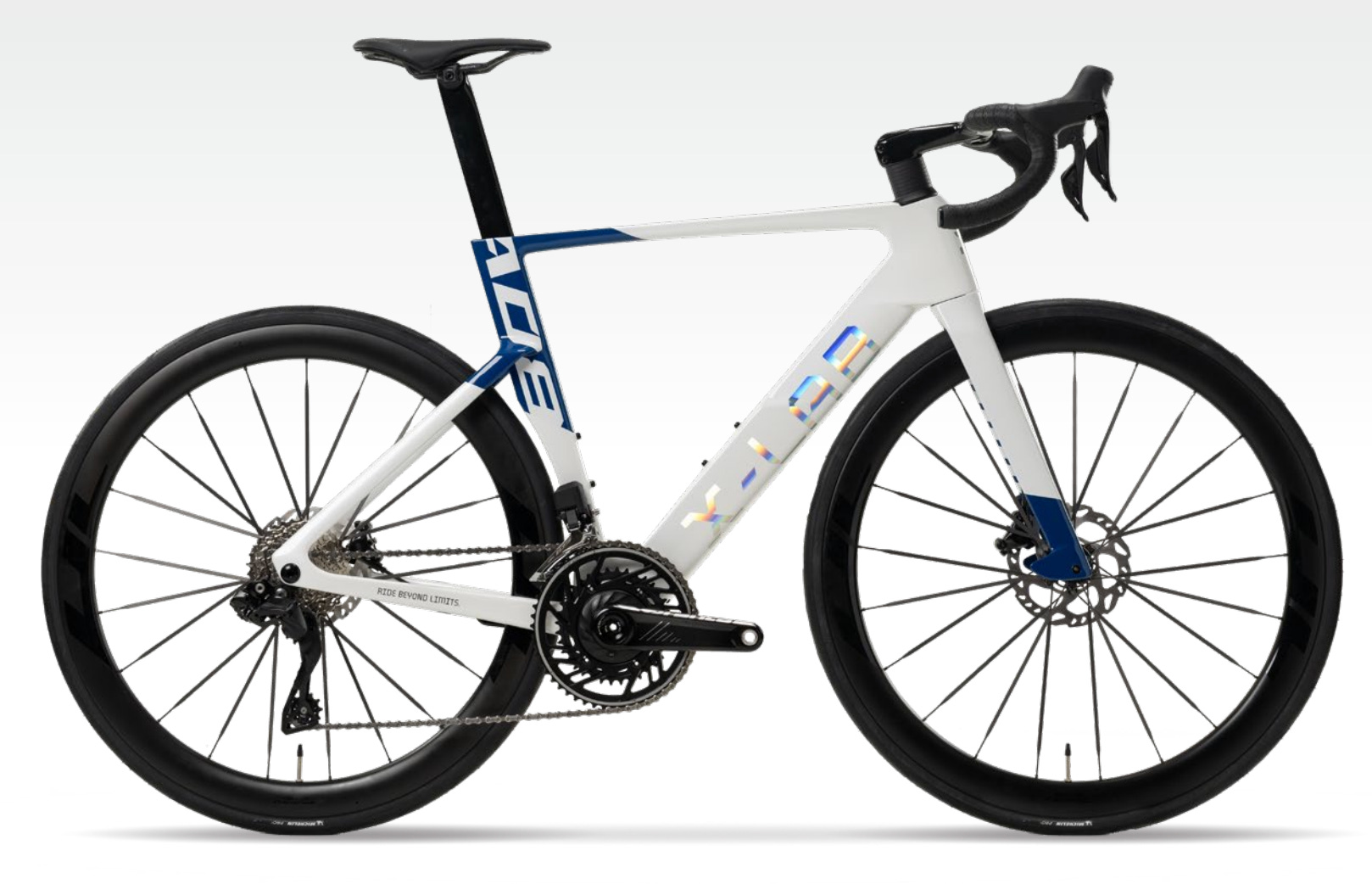
XDS, a Chinese bicycle manufacturer, has launched its new X-LAB platform, introducing a nine-bike lineup spanning road, gravel, urban, and e-bike categories as it expands into global markets including the U.S., Japan, and Australia. The key differentiator is XDS’s fully in-house manufacturing approach, from frames to motors, allowing the brand to deliver high-performance bikes at notably competitive prices. The range includes premium road bikes like the AD9 and ultra-light RT9, alongside practical options such as commuter e-bikes (ST5+, SP5+) and entry-level urban models.
RIXOC launches GT16 Electric Motorcycle
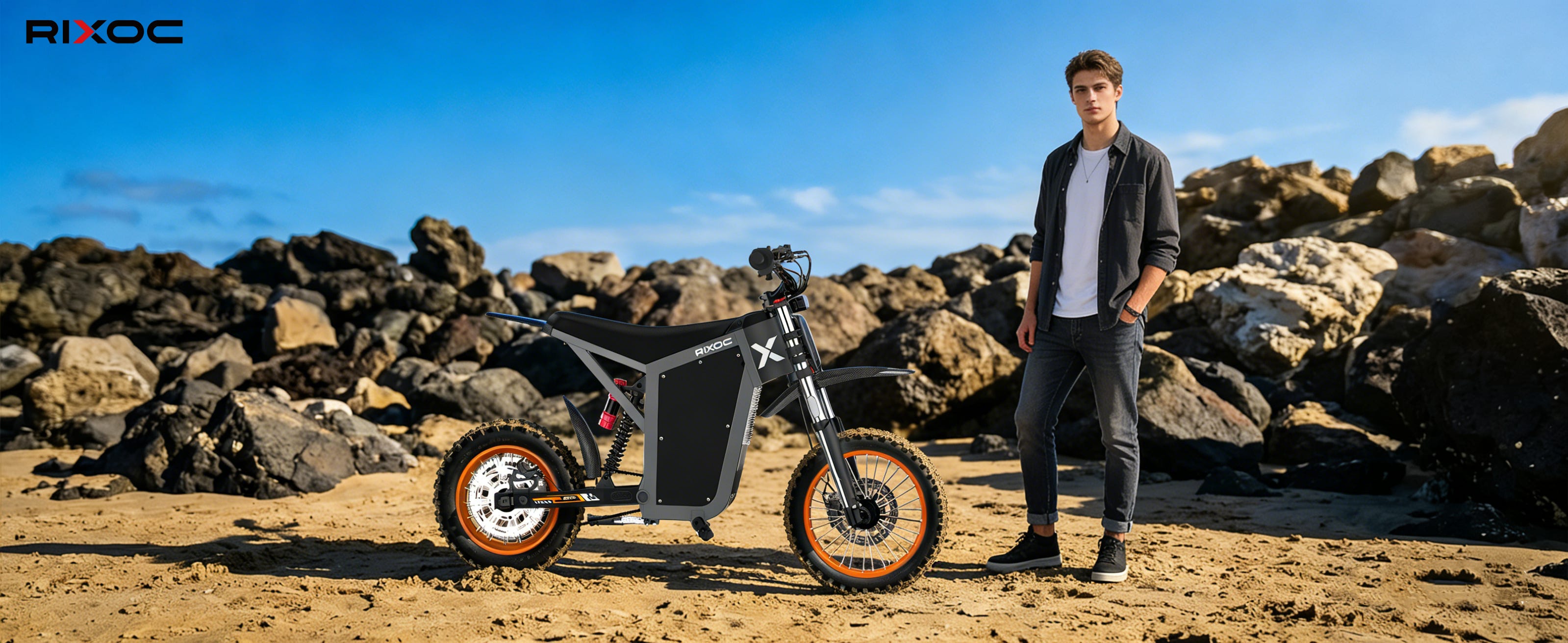
RIXOC, a Shenzhen-based electric motorcycle brand, has launched the GT16 electric motorcycle, designed for both urban commuting and off-road riding. The model features a 3000W peak mid-drive motor, a 52V battery with up to 30% improved range, and a top speed of 20 mph (street-legal), extendable to 39 mph when unlocked. It also allows customisation, letting riders personalise the bike’s design. Targeted at younger riders and enthusiasts, the GT16 aims to combine performance, safety, and versatility, positioning itself as a flexible option for both daily travel and recreational use.
Esel Launches Wooden e-Bike for Urban Riders
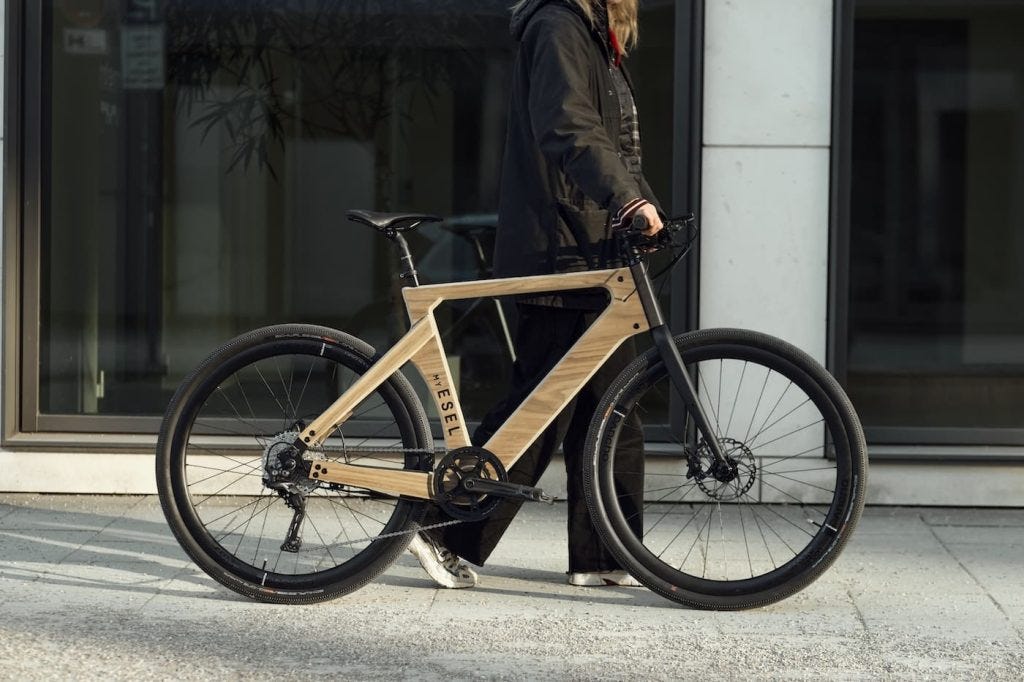
Esel, an Austrian e-bike manufacturer, has introduced the eUrban, a distinctive wooden-framed e-bike designed for city commuting with a strong focus on design and sustainability. Built using a custom wood composite frame, the bike combines natural aesthetics with functional benefits like vibration damping for a smoother ride. It features a 42 Nm rear hub motor, a 350 Wh battery, and integrated tech like GPS, while maintaining a minimalist, lightweight design. Available in two versions starting at €3.99k, the eUrban reflects Esel’s design-first approach and has already earned recognition, including a German Design Award 2026.
Avinox Launches New High-Power eBike Systems
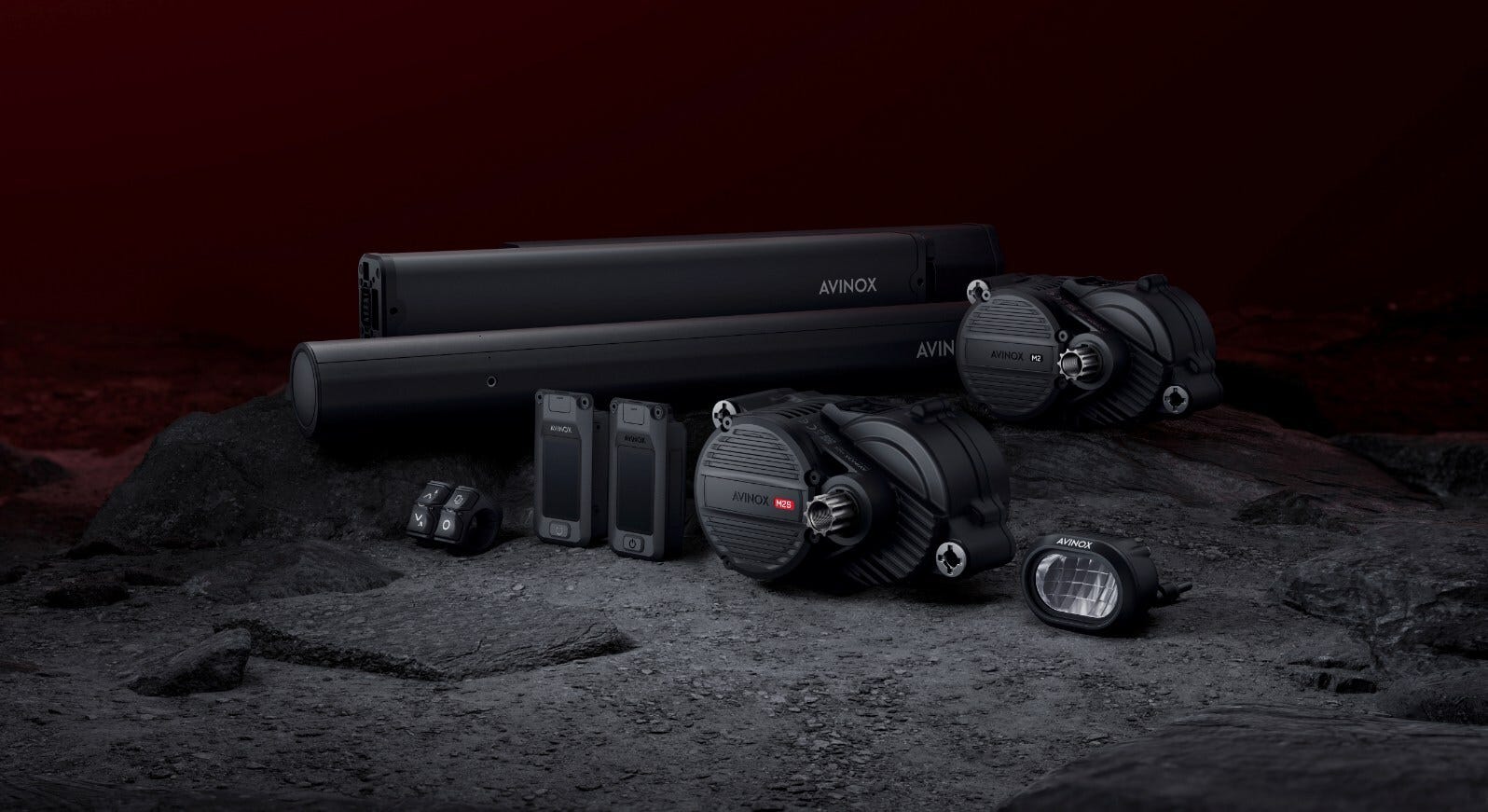
Avinox, an e-bike technology company, has unveiled its next-generation M2S and M2 drive systems, designed to deliver higher power, efficiency, and smarter ride control. The new systems offer up to 1,500W peak power and 150Nm torque, while maintaining a compact and lightweight design. Avinox also introduced new battery options, including removable packs (up to 800Wh) and fast charging capabilities. In addition, the platform includes advanced features like navigation, heart-rate-based assistance, and app-based customization, enhancing the overall riding experience. With over 60 bike brands already integrating the system, Avinox is strengthening its position in the global e-bike ecosystem.
Olathe Considers New E-Bike Rules
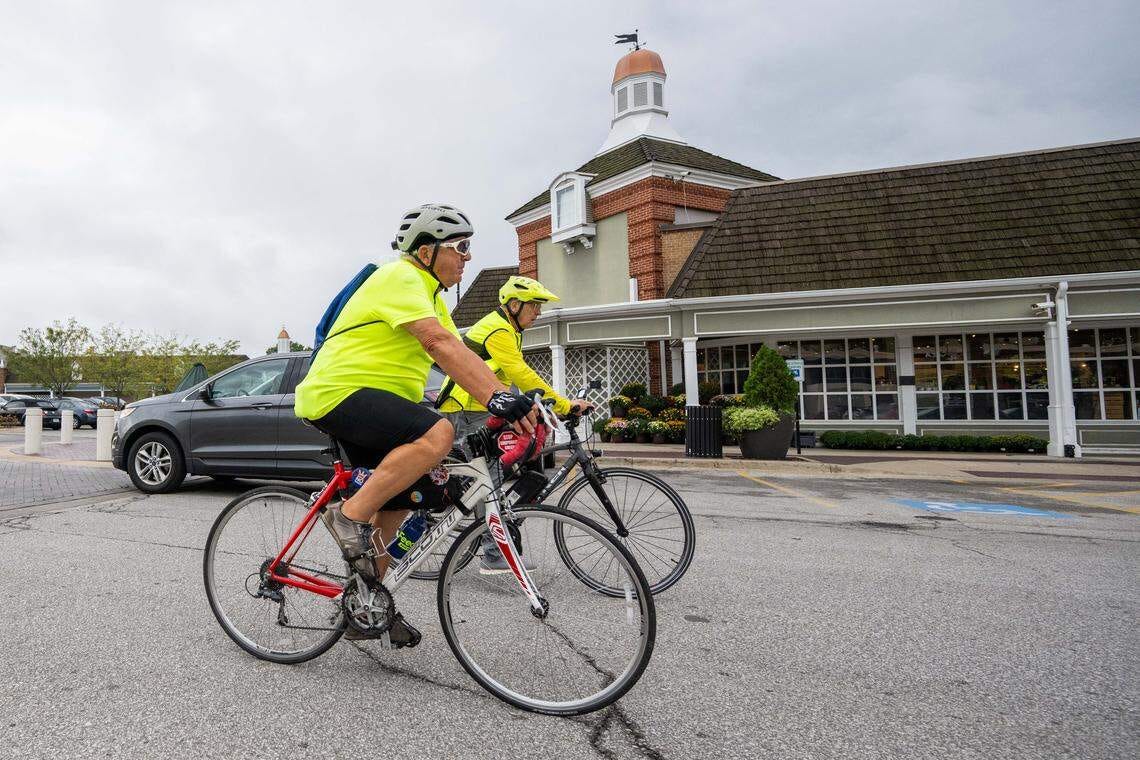
Olathe is a city in the state of Kansas, United States, is proposing updated regulations for e-bikes, e-scooters, and other micromobility devices following public feedback and safety concerns. The revised rules aim to align with state law, including defining three e-bike classes, restricting Class 3 e-bike use for riders under 16, and introducing speed limits (15 mph on sidewalks). Riders would also be required to signal when passing pedestrians, while city signage could restrict use in specific situations.
For e-scooters and similar devices, the proposal includes helmet requirements for riders under 18, limits on where they can be used, and stricter rules around safety and accidents. Officials are also considering adding helmet rules for e-bike riders.
E-Bike Service Standardized Across 8 Stores
Micromobility Connect, a company that provides e-bike technician training and service systems, has partnered with Landry’s Bicycles, a Massachusetts-based bicycle retailer, to standardize e-bike servicing across eight stores. The collaboration introduces a structured diagnostic and repair system, allowing technicians to identify issues quickly without relying on trial-and-error or manufacturer support. It also improves workflow efficiency, service consistency, and in-house expertise.
As e-bikes now account for a growing share of bike shop revenue (up to 40-60%), the partnership reflects a broader industry shift toward professional, scalable service systems to meet rising demand.
Hey! Want to collaborate on an article or a deep dive?
Get yourself out there, grab ad slots that actually get noticed, and be seen by people who care.
Write to us at hello@micromobility.io - we’ve got a reach of 80k+ subscribers ready to read you.
Got your micromobility moment to share? Email us at press@micromobility.io
Loving the vibe? Hop on and ride with us! Subscribe!
Twitter | YouTube | LinkedIn | Instagram | Blog | Podcast