.svg)
%2Bcopy.avif)


.svg)


%20(1).jpg)



.webp)

From fresh rides to bold takeovers! Micromobility Weekly is your pit stop for the industry’s sharpest twists, turns, and takeovers.
Got Your Micromobility Moment To Share? Email - press@micromobility.io
Hooked but not subscribed? 👀 Now’s the time. You’ll thank yourself later.
Micromobility Europe 2026

Micromobility Europe returns to Berlin!
Join us June 2-3, 2026, at Arena Berlin for two days of high-energy keynotes, panels, demos, and hands-on networking with the brightest minds in micromobility.
New Year Sale on General Admission Tickets is live, for Just €349 - Limited Time Offer!
New Year Sale ends on Jan 31. Grab the tickets soon!
[Sponsor/Exhibit] | [Speak at the Event] | [Exhibit as a Startup]
Spots are filling fast! Secure yours today and be part of Europe’s bespoke event for all things micromobility.
Check Micromobility America 2026 (November 11-12) here
What You Need to Know Today
Moby STRIM - Startup Arena MME 2025
At Micromobility Europe 2025’s Startup Arena Pitch, Vasilii Bykov, Founder and CTO of STRIM Mobility, introduced Moby STRIM - a compact, modular charging solution that transforms any bike parking area into a secure, lockable, and chargeable station.
STRIM addresses the limitations of traditional docking stations by enabling universal compatibility across bikes, supporting both public shared fleets and private users, and significantly reducing infrastructure costs.
Chicago Records 12.9M Shared Trips in 2025
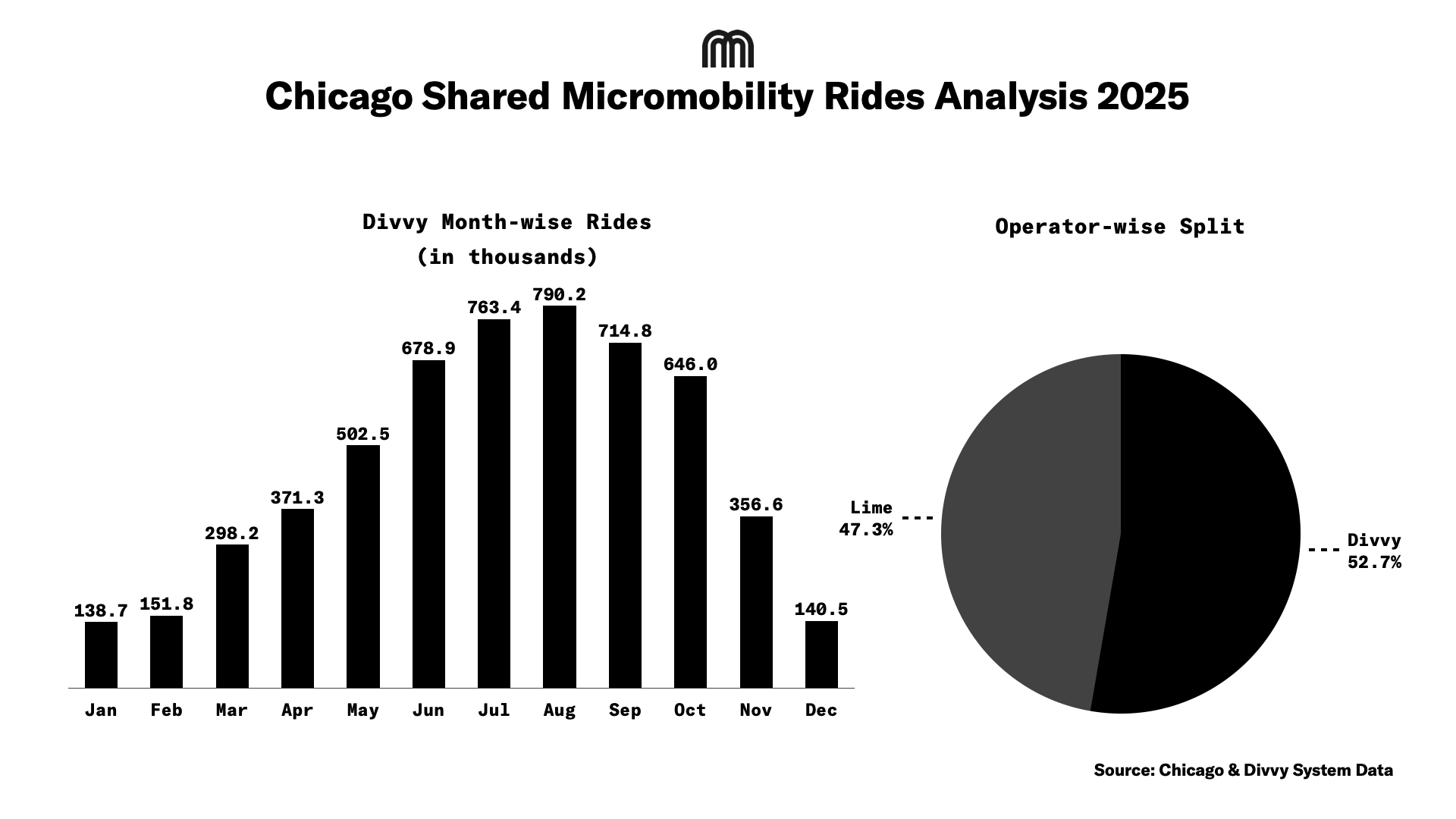
Chicago recorded 12.9m shared bike and scooter trips in 2025, its highest annual total and nearly 2m more than in 2024, driven by expanded bike infrastructure, safety upgrades, and affordability programs. The total includes 6.8m Divvy rides and 6.1m Lime trips, with both systems reaching record usage. Growth was supported by new Divvy stations and docks, expanded e-bike charging, improved parking and sidewalk-riding detection, and discounted membership programs aimed at increasing access citywide.
Voi Exits Liverpool as Bolt Takes Over
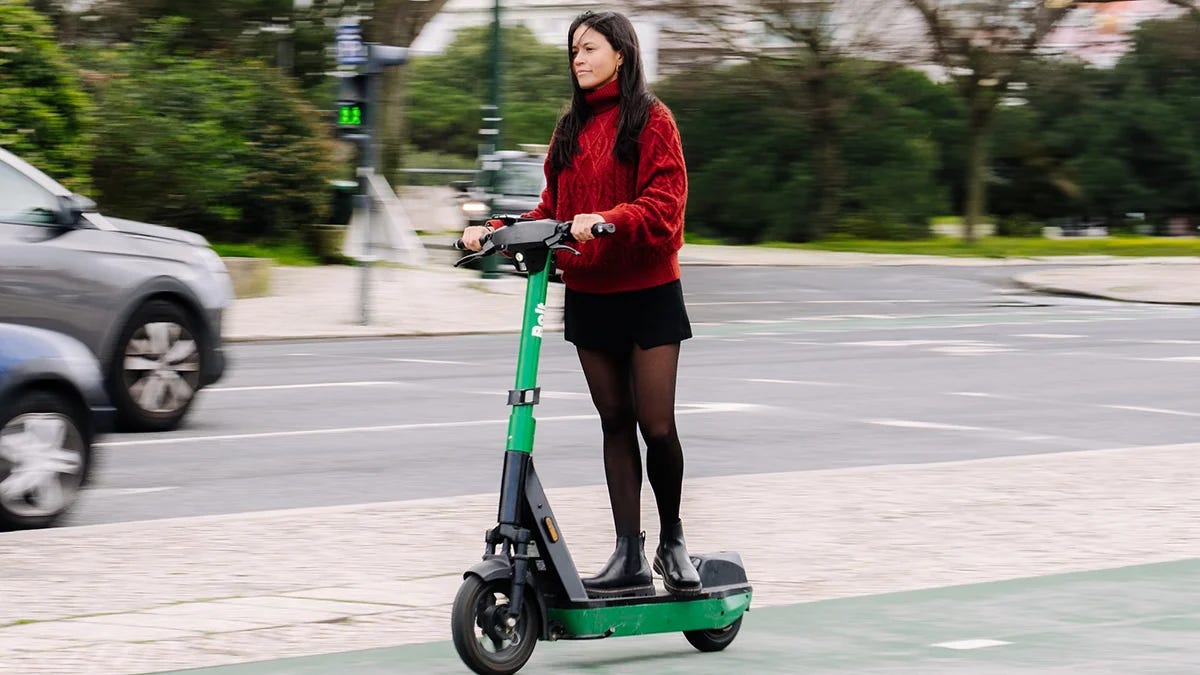
Swedish e-scooter operator Voi will end its operations in Liverpool, England, from February 2026 after the city council awarded a new micromobility contract to Bolt. The Estonian firm will roll out 2k e-scooters and 100 e-bikes, operating citywide for the first time, including areas such as Speke and Garston. Voi marked its exit by thanking riders for more than 9m trips, which it says helped replace 3.4m car journeys, adding that it hopes to return in the future. Bolt’s incoming service will feature speed limits of 15.5 mph, in-app cognitive tests to curb drunken riding, and AI-based parking and geofencing controls.
Cowboy in 2026: A Year of Stabilization

After years of rapid growth followed by financial strain, 2026 is set to be a stabilizationyear for Cowboy. Following its acquisition by France’s ReBirth Group at the end of 2025, the Belgian e-bike brand is shifting focus from expansion to recovery, prioritizing reliability, clearing supply-chain backlogs, addressing recalls, and rebuilding customer trust.
Rather than launching new models, Cowboy is expected to concentrate on operational efficiency, improved after-sales support, and restarting production in France, supported by ReBirth’s industrial and retail network. While its high-growth chapter has closed, 2026 marks the beginning of a more measured phase aimed at long-term sustainability for one of the most influential brands in modern e-bikes.
TechAltar Dissects E-Bike Startups
CEO of Micromobility Industries, Prabin Joel Jones, joined host Marton Barcza on the latest TechAltar episode to discuss why e-bike startups struggled.

- Ireland is considering mandatory helmet rules for e-scooter users.
- Queensland, Australia, has issued over 2k fines in an e-mobility safety crackdown.
- Mesa, Arizona, US, will allow e-scooters and some e-bikes on park sidewalks from Feb. 11, 2026.
- New York State, US, is proposing expanded access for e-bikes and mobility devices in parks.
- Key Biscayne, Florida, US allows Class 1 e-bikes on Crandon Boulevard bike lanes despite the village-wide ban.
- Yuma Energy and e-Sprinto have partnered to deploy swappable-battery electric scooters for fleet and delivery operators nationwide.
- Sumter County, Florida, US school board will vote on new rules restricting student e-bike use on campus.
- Royal Greenwich, London, UK, police and council seized 12 illegal mopeds and e-bikes during a joint street safety operation.
- India: Suzuki has launched the SMILE e-micromobility innovation lab in Gujarat to co-create electric micromobility solutions with Indian startups.
Luna Systems Raises €1.5m

Dublin-based Luna Systems has raised €1.5m to accelerate the launch of AI-powered safety camera systems for cyclists and motorcyclists. The round was led by Fundracer Capital and EIT Urban Mobility, with support from Enterprise Ireland. The funding will support 2026 launches of a dual AI camera system for e-bike and motorcycle OEMs, as well as Luna’s first consumer facing rear AI camera, offering proximity alerts, incident recording, and post-ride safety mapping via a connected app. “Six in ten people are still too afraid to cycle in their area,” said CEO Andrew Fleury, adding that AI-based rider assistance can help bridge safety gaps while cities wait for better cycling infrastructure. Luna aims to bring automotive-style safety technology to two-wheelers, helping riders feel more confident navigating urban traffic.
Superscript Launches E-Bike Insurance
Superscript, a digital commercial insurance broker, has launched a new insurance product tailored for e-bike couriers and delivery riders in the UK, offering third-party liability and personal accident cover under individual policies. Developed in partnership with bicycle insurer Sundays, the digital-first product is designed to meet the growing needs of the gig economy, where many riders rely on e-bikes for delivery work. Initially available through Superscript’s delivery partners, the cover will launch in London, Birmingham, and Manchester, aiming to provide riders with accessible, flexible protection while on the job.

Bolt Launches Shared E-Bike
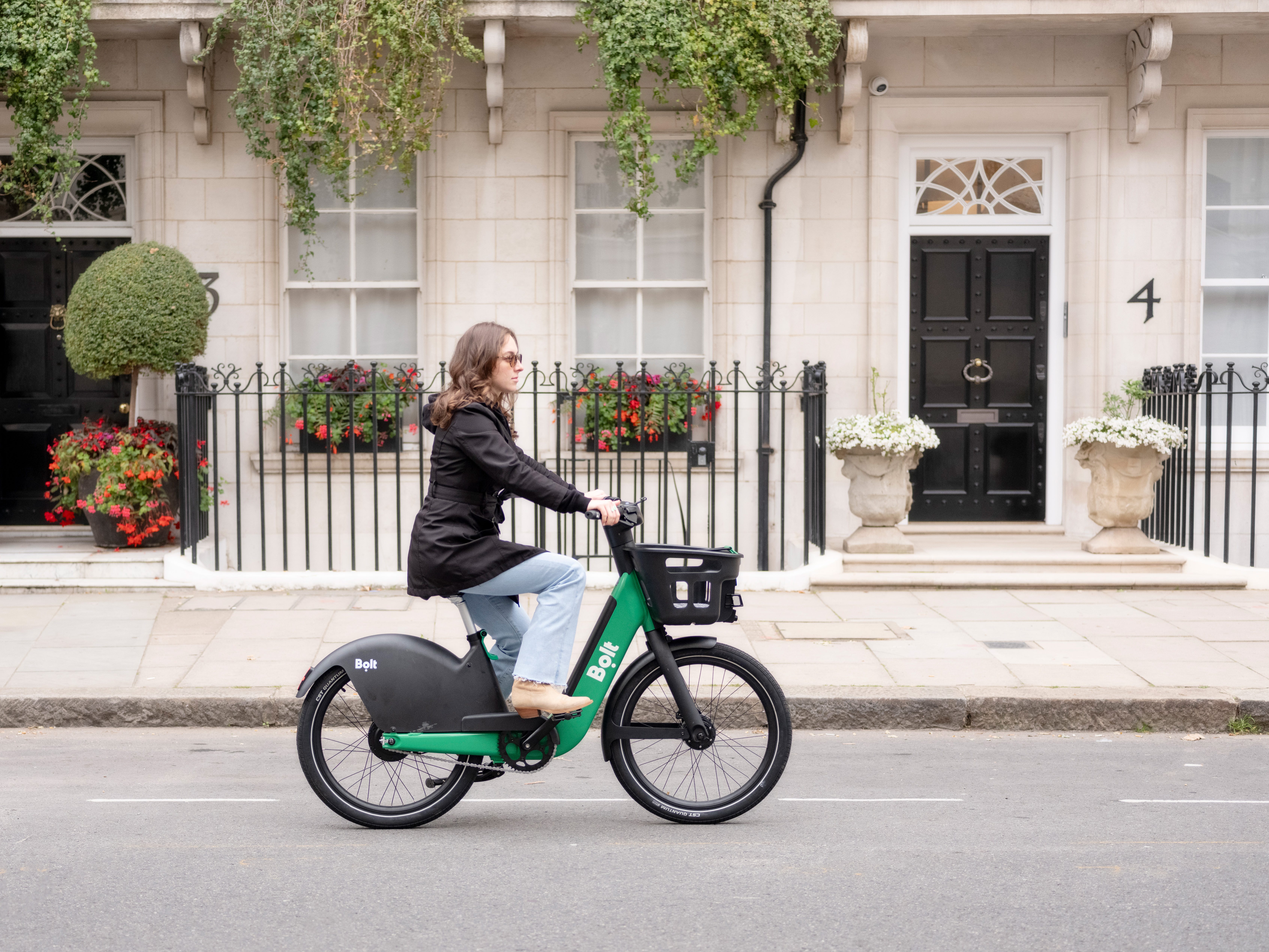
Bolt has launched its first fully in-house developed shared e-bike, debuting in Barcelona with a Liverpool rollout planned for February. The lighter, more compact model features integrated solar charging to reduce battery swaps, a low step-through frame for accessibility, and a full-color display showing ride and parking information. It also includes AI-based pavement and parking detection, along with added safety hardware, as Bolt aims to improve rider experience while addressing city concerns around safety, parking, and public space management.
URWAHN Unveils 3D Printed Titanium Bike Frame
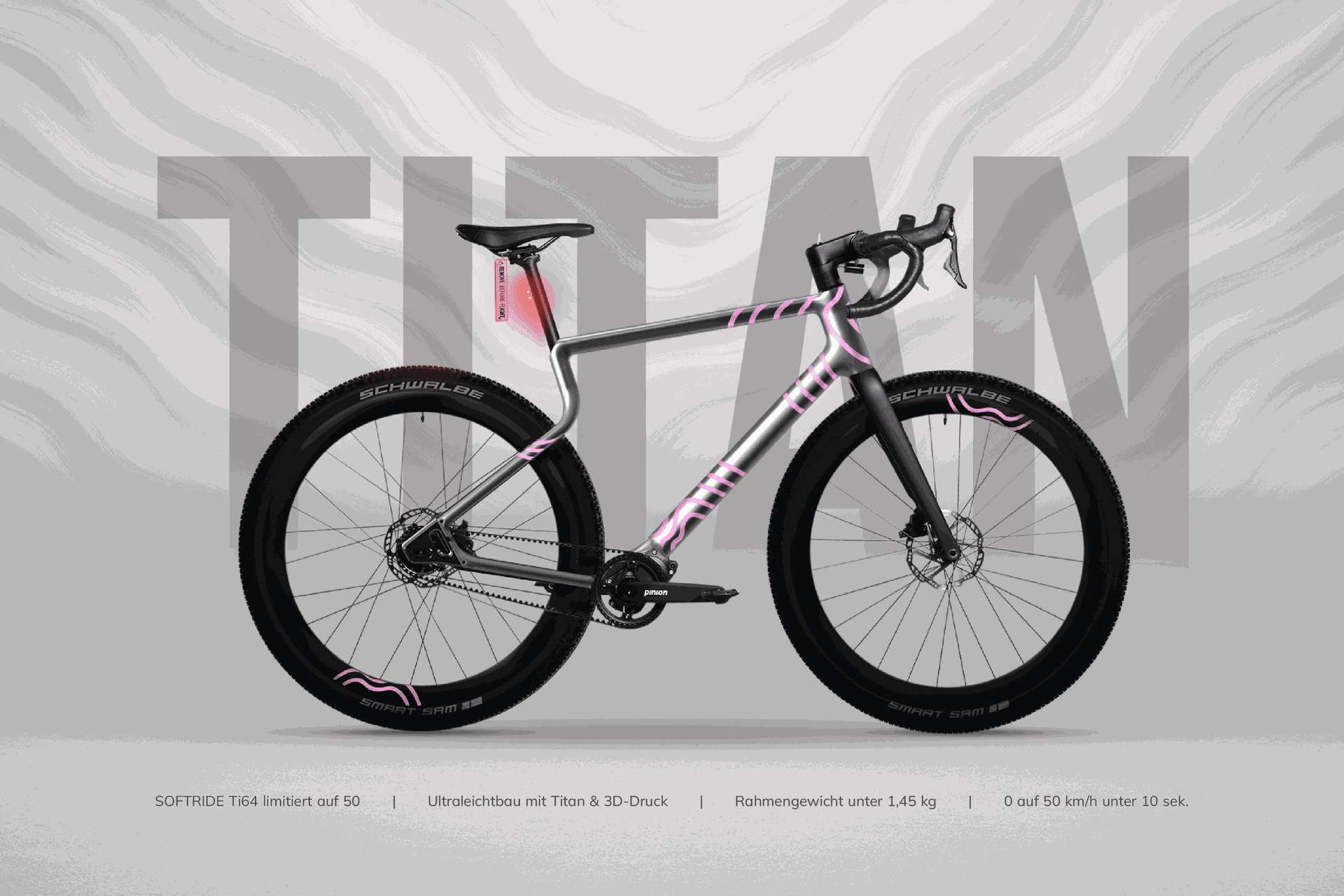
URWAHN Bikes has introduced Ti64, a 3D-printed titanium bicycle frame designed as a high-performance alternative to carbon. Built on the brand’s existing SOFTRIDE platform, the frame keeps the same geometry while using aerospace-grade titanium to deliver higher durability, improved fatigue resistance, and a balance of stiffness and comfort. Weighing under 1.45kg, Ti64 targets urban, gravel, and e-bike applications, with compatibility for systems such as Pinion Smart.Shift and MAHLE SmartBike.
“Titan is not a prestige material for us - it’s the logical result of our work on structure, ride behaviour and longevity,” said CEO Sebastian Meinecke, adding that the frame reflects a deeper focus on material understanding rather than design changes. Series production is planned for mid-2026, with an initial limited run of 50 frames.
Mondraker Launches Scree e-MTB
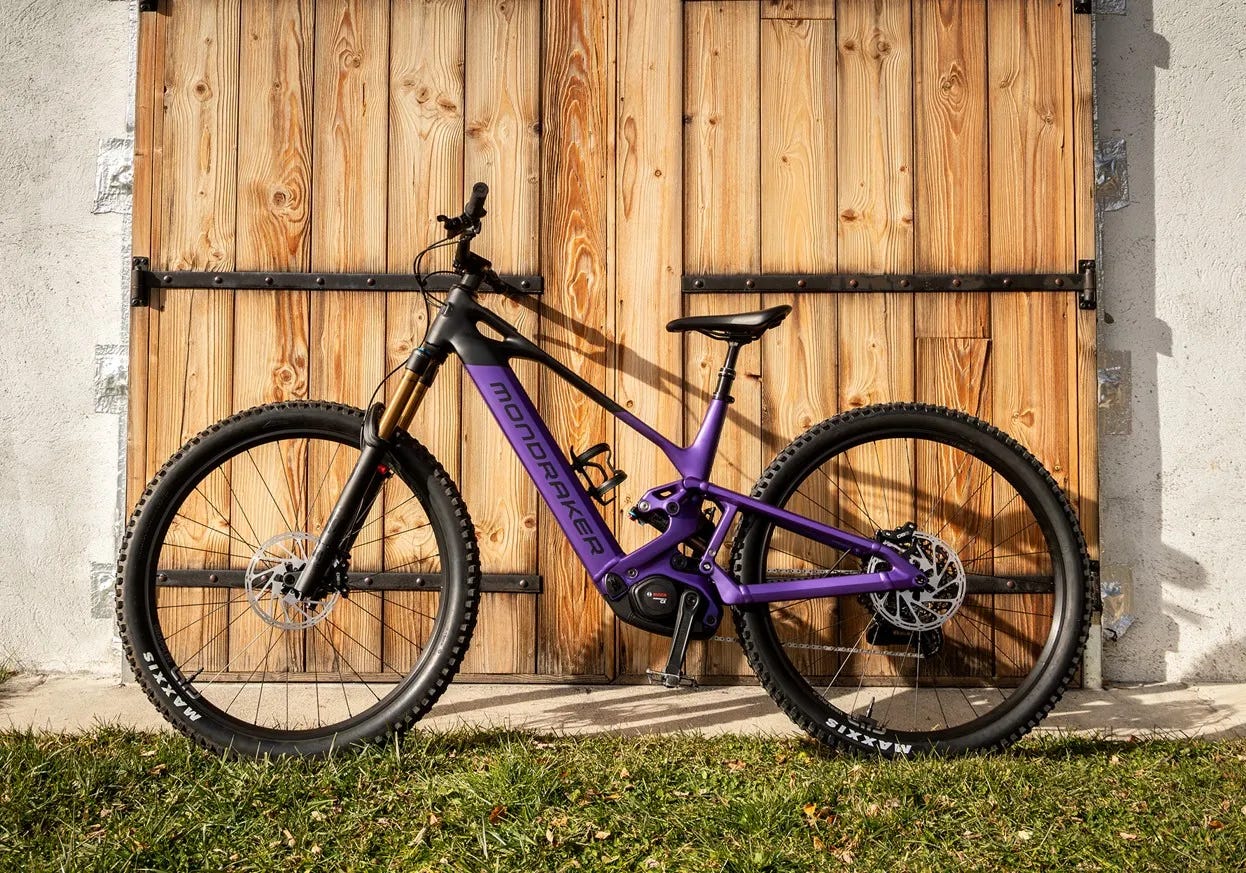
Mondraker, a Spanish mountain bike brand known for pioneering forward geometry and modern trail design, has unveiled the new Scree e-mountain bike for 2026, bringing Bosch-assisted trail riding to a sub-£5k price point. Built on a new aluminium frame inspired by the Crafty platform, the Scree features 150mm front and 130mm rear travel, paired with Bosch’s Performance Line CX motor and a 600Wh battery, with optional range extender support.
The entry-level Scree S offers strong value with RockShox suspension and Maxxis tyres, while higher-spec versions add upgraded components and an 800Wh battery. The Scree positions itself as a capable, full-suspension e-MTB aimed at riders seeking premium performance without premium pricing.
Genoa Sets New Rules for Bike and Scooter Sharing
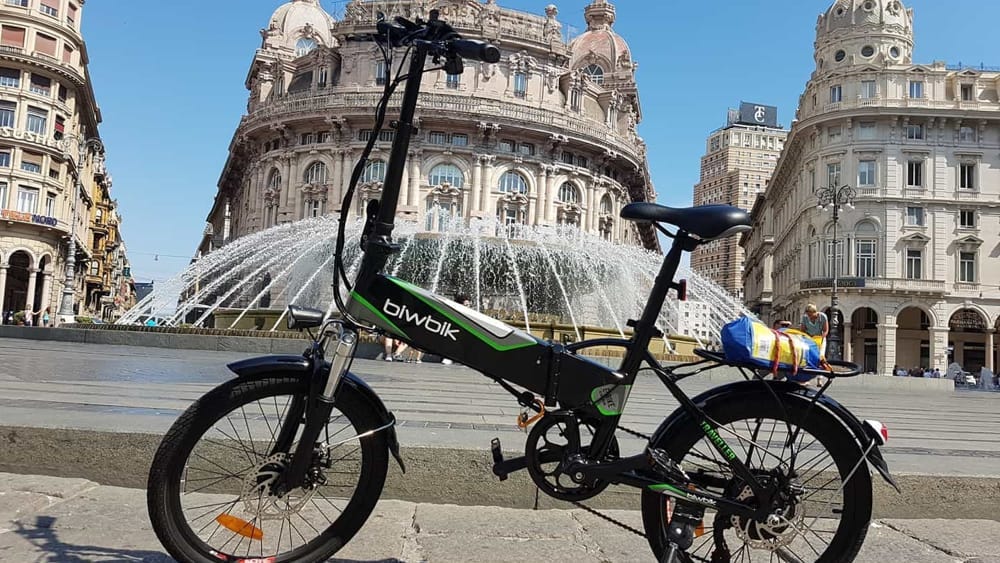
The City of Genoa has approved new guidelines for shared bike and scooter services under a two-year pilot running from 2026 to 2027, aiming to improve safety, reduce congestion, and better integrate shared mobility with public transport. The rules apply to bicycles, e-bikes, cargo e-bikes, and e-scooters, while excluding other micromobility devices. The city will allow a maximum of four operators and cap the total fleet at 2.35k vehicles, including 2k bikes, 300 e-scooters, and 50 cargo e-bikes. Speed limits will be automatically enforced at 6 km/h in the historic centre and 20 km/h elsewhere. Parking rules are tightened, with designated zones required in the historic centre and a mandatory end-of-ride photo to prevent improper parking. All vehicles must be GPS-enabled, uniquely identifiable, and available 24/7, with the city set to review and adjust the framework based on results from the trial period.

- A 2025 study assesses how micromobility infrastructure contributes to the development of electromobility and sustainable urban transport in Poland. Using a theoretical model based on point and linear transport infrastructure criteria, the authors find that better micromobility infrastructure can support short urban trips and enhance sustainable mobility, although gaps remain in dedicated lanes and parking facilities.
Full paper: Assessment of Micromobility Infrastructure from the Perspective of Electromobility Development.Authors: Joanna Alicja Dyczkowska, Norbert Chamier-Gliszczyński, Jakub Murawski (2025) - A 2025 case study assesses micromobility users’ understanding of traffic regulations in Valencia, Spain. Using an online survey to evaluate the knowledge of cyclists and personal mobility vehicle riders, the authors find that overall regulatory awareness is low and varies significantly with age, type of vehicle used, ownership status, and possession of a driver’s license. The findings reveal a behavioural gap in compliance knowledge that policymakers and urban planners should address to improve safety and effective micromobility integration.
- Full paper: Assessing Micromobility Users’ Knowledge of Regulations: Valencia (Spain) Case Study.
- Authors: Alejandra Sofía Fonseca-Cabrera, David Llopis-Castelló, Ana María Pérez-Zuriaga, Alfredo García (2025)
- A 2025 empirical study investigates shared e-scooter usage patterns and accessibility outcomes in Tel Aviv. Using a full year of trip-level data integrated with public transport accessibility, weather, and calendar effects, the authors find that e-scooter demand shows strong temporal cycles — peaking in afternoon commute hours and dipping on holidays and rainy days — while spatially concentrating in well-served central areas. The findings suggest that shared e-scooters currently function more as short-range, intra-core alternatives to walking rather than as effective first- or last-mile connectors, highlighting the need for targeted policy and infrastructure to realise their sustainable mobility potential.
- Full paper: Urban Micromobility in Practice: Insights from a Full-Year Analysis of Shared Scooter Use in Tel Aviv.
- Authors: Ada Garus, Gabriel Dadashev, Biagio Ciuffo, Bat-Hen Nahmias-Biran (2025
Got your micromobility moment to share? Email us at press@micromobility.io
Loving the vibe? Hop on and ride with us! Subscribe!