.svg)
%2Bcopy.avif)

.jpg)
.svg)

.jpg)


.jpg)
%20(1).jpeg)
.jpg)
Fresh rides, bold takeovers, and everything in between. Micromobility Weekly is your pit stop for the industry’s sharpest twists, turns, and takeovers. Come Ride Along!
Got Your Micromobility Moment To Share? Email - press@micromobility.io
Hooked but not subscribed? 👀 Now’s the time. You’ll thank yourself later.
Spring Sale is LIVE! Grab Your Tickets at €425 Now

Tickets for Micromobility Europe 2026 are now just €425 for a limited time.
Your pass includes full access to both days, the expo, test track, networking app, and the after party 🎊
Prices will rise soon and tickets are limited.
Secure your ticket now before the deal disappears.
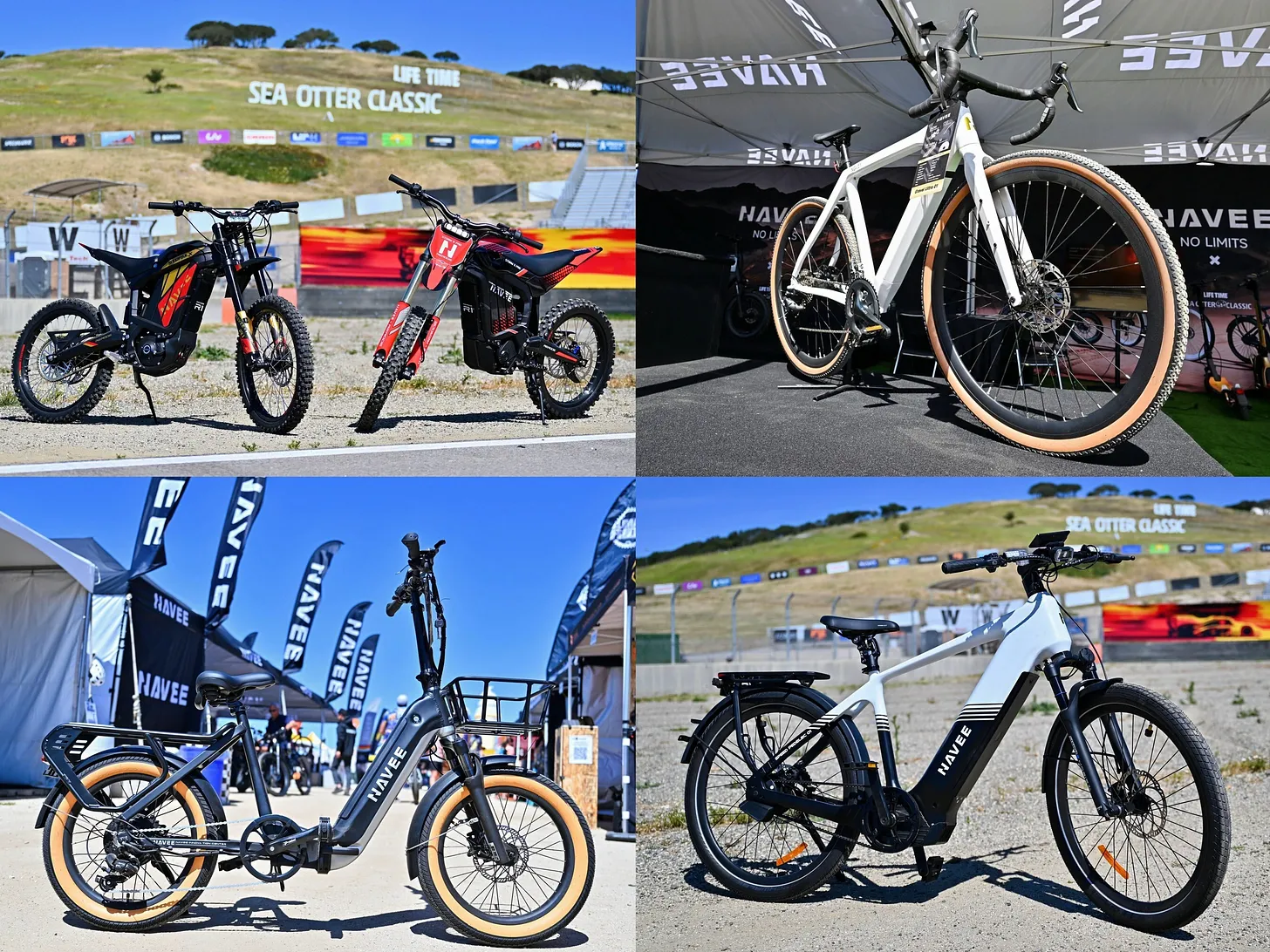
Join McKinsey, Rivian’s ALSO, LYFT, RYDE, Dott, NextBike, POLIS, Urban Sharing, Navee, CityFi, Valeo, XYTE, Vmax, Microlino, Valeo, Standab, Atom and many others!
[Sponsor/Exhibit] | [Speak at the Event] | [Exhibit as a Startup] | [Get A Free Pass]
And to find all about Micromobility America | Nov 11-12 | Palace of Fine Arts, SFO - HERE!
What You Need to Know Today
Check out! The Micromobility Podcast Ft. Damian Young

In this episode of the Micromobility Podcast, Damian Young, Founder and CEO of Zeus Scooters, joins Prabin Joel Jones to discuss the company’s journey from launching in smaller European cities to acquiring the assets of Superpedestrian.
Heads up! Our podcast has a new dock on YouTube, Apple, and Spotify. Make sure to resubscribe so you don’t miss out. Stay Tuned!!!
Niu Sold 172.8k Units in Q4, Down 23.8% YoY

Note: NIU's full Q4 financial results, released March 16, confirmed 172,763 units sold, slightly below the 178,702 units reported in January's preliminary shipment update, reflecting standard accounting adjustments.
NIU Technologies sold 172.8k units in Q4 2025, down 23.8% YoY. The decline was driven by weakness across both markets, though international performance dropped significantly more. China sales reached 158.8k units (-12.9% YoY), while overseas sales fell sharply to ~14k units (-68.4% YoY). China accounted for ~92% of total volume in Q4, further reinforcing the company’s reliance on its domestic market. The franchised store network in China stood at 4.54k locations at the end of 2025, broadly stable quarter over quarter after rapid expansion earlier in the year.
Lime Rolls Out New LimeBike Across the UK
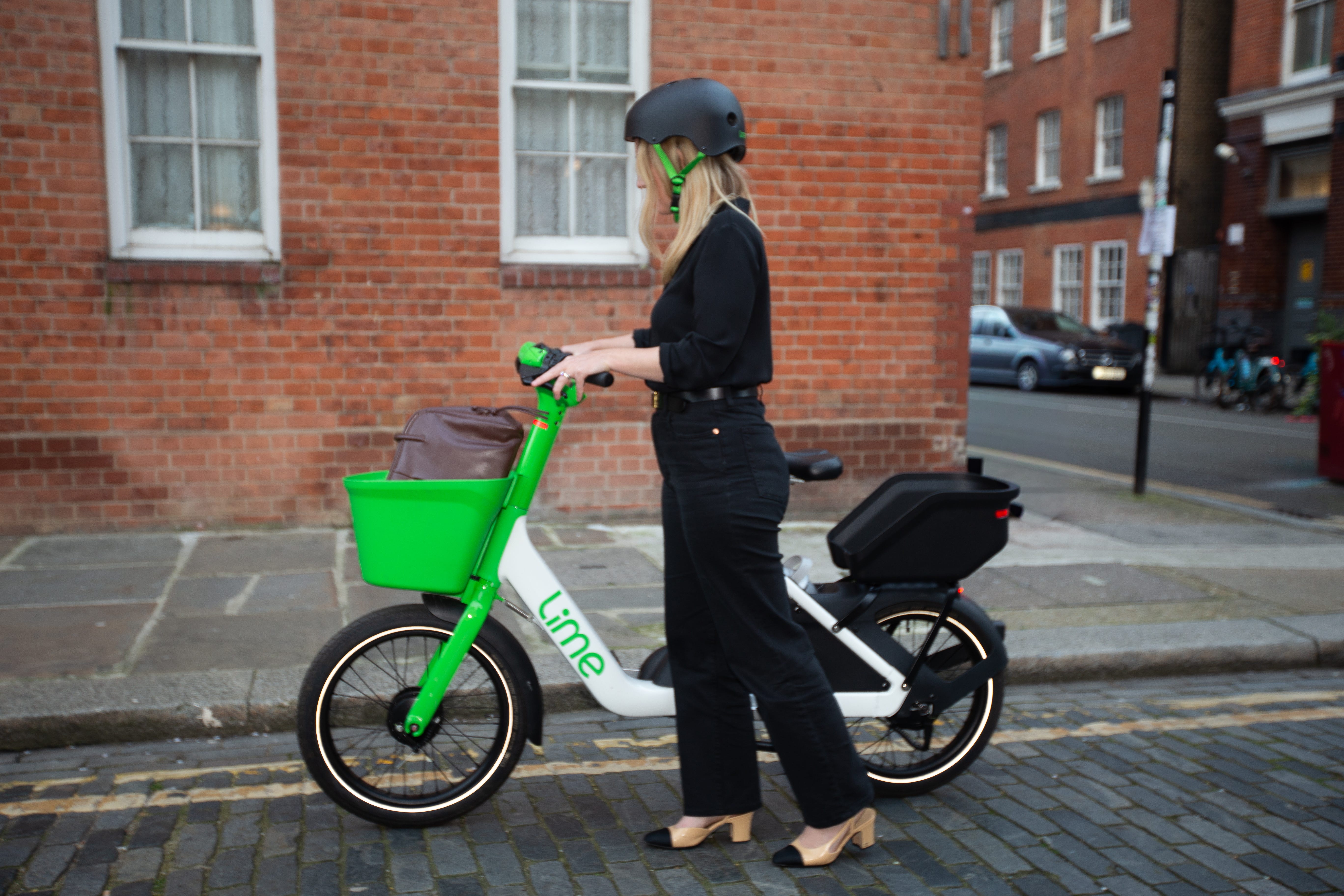
Lime is rolling out its latest e-bike model, the LimeBike, across UK cities this month, starting with Oxford and Milton Keynes. Designed in-house with inclusivity at its core, the new model features 20-inch wheels, a low step-through frame, upgraded location technology, modular components, and ergonomic grips, built to welcome a wider range of riders, including women and seniors. Lime will also pilot a cargo version in Oxford. The launch comes as cycling hits record levels in the UK, with an estimated 1.5m daily cycling journeys in London alone and rental e-bikes accounting for at least 1 in 10 of those trips.
As Lime’s CTO Jon Jenkins noted: "We've listened to everything our riders told us across the world, and built something that combines smart connectivity, easy handling and sharp performance - designed to be more inclusive, more intuitive, and more adaptable."
How the US Is Trying to Regulate the Micromobility Boom

Micromobility regulation in the US remains highly fragmented, with no unified federal framework for e-bikes or e-scooters. While most states follow the three-class e-bike system, rules on speed limits, age, licensing, and where devices can be used vary widely. E-scooter laws are even more inconsistent, with only about half of states having clear legislation. Some states, like California are adding targeted safety rules, while others, like New Jersey are tightening regulations with licensing and insurance requirements. This patchwork system means regulations differ not just by state, but often by city, highlighting a fast-evolving landscape still trying to keep up with new vehicle types and growing adoption.

- Richmond, London, will replace Lime with Forest as its sole e-bike provider, banning Lime bikes in the borough.
- OMOWAY’s OMO X self-balancing electric motorcycle has entered mass production.
- Naples, Florida, is considering stricter e-bike and micromobility rules over safety and traffic concerns.
- Police in Riga, Latvia, reported rising rule violations and underage use of micromobility devices amid increased enforcement.
- Atlantic Beach, Florida, is reminding riders to follow e-bike rules and ride safely amid increased spring break activity.
- UC Riverside is piloting a dedicated bike and scooter lane to improve safety and reduce conflicts with pedestrians.
- Cedar Rapids, Iowa, is adding pedal-assisted e-bikes to its shared micromobility program to improve downtown access.
- Henderson, Nevada, introduced new rules requiring helmets for minors and banning e-motorcycles, while clarifying e-bike classifications.
- U.S. school districts are considering banning or restricting student e-bike use amid safety concerns, sparking a broader national debate.
- Denver delayed a vote on its Veo scooter contract, pushing approval to April, while rollout plans continue.
- Fostoria, Ohio, now requires helmets for e-bike and e-scooter riders, with fines for violations.
Velotric Launches Lightweight Tempo E-Bike
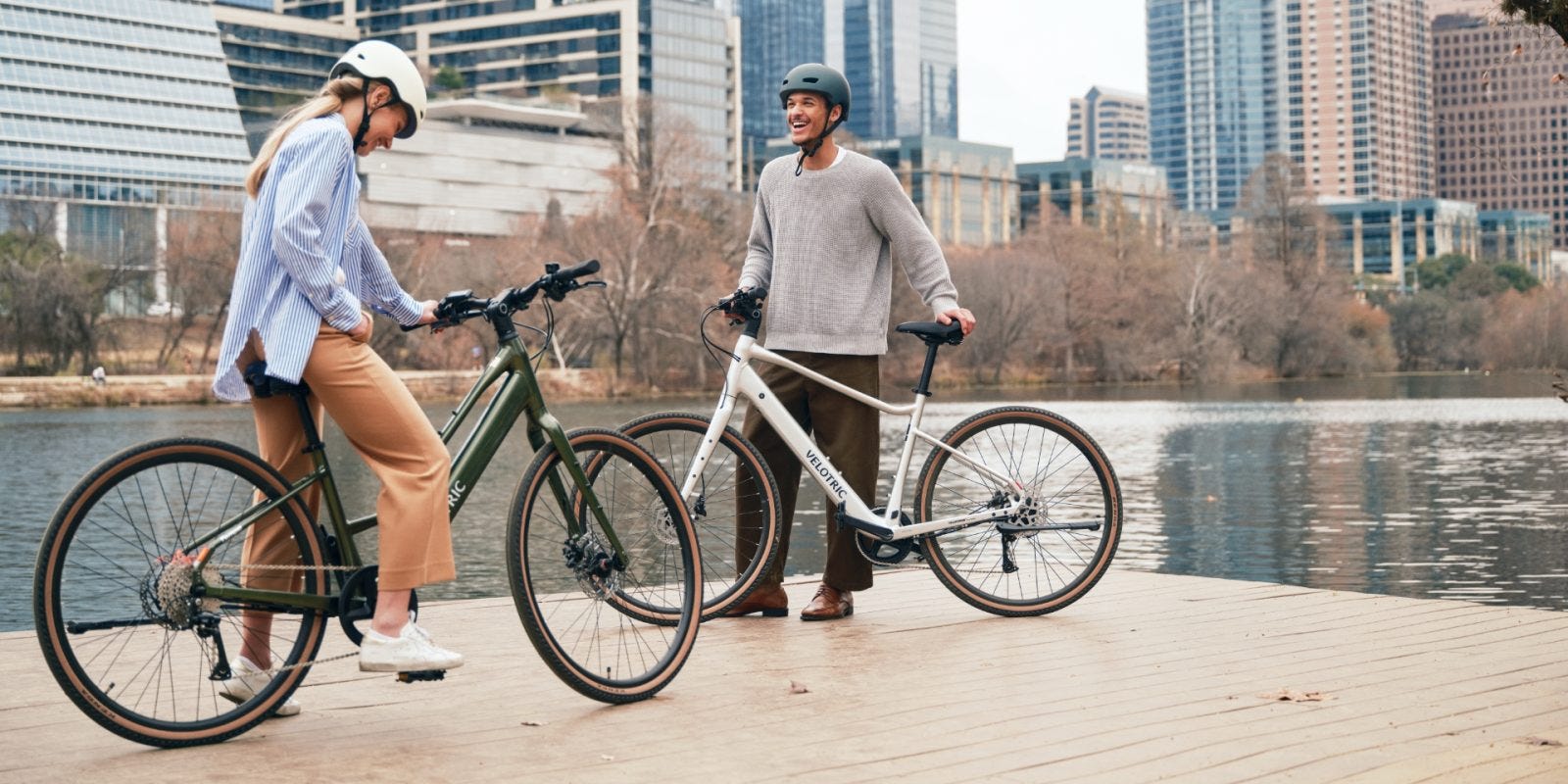
Velotric, an e-bike manufacturer, has introduced the Tempo, a lightweight, city-focused e-bike designed to feel closer to a traditional bicycle while still offering electric assist. Weighing just 17.7 kg (39 lb), the bike features a 350W motor, a range of up to 60-mile, and switchable assist modes for both casual and performance riding. It also includes smart features like heart-rate-based “Pulse Mode,” tracking integration, and keyless unlocking, making it a tech-forward yet accessible option aimed at everyday urban commuters.
Upway Launches Insured E-Bike Subscription in the US
Upway has partnered with BikeInsure to launch an insured e-bike subscription program in the United States. The “Upway Flex” offering combines lease-to-own e-bikes with built-in insurance, maintenance, and locks, covering risks like theft and accidental damage, typically not included in standard home insurance. The move aims to lower upfront costs and reduce barriers to adoption, making e-bikes more accessible while supporting Upway’s broader push into subscription-based mobility solutions.

- A 2026 peer-reviewed study examines how drivers overtake bicycles and e-scooters, focusing on the role of road conditions and prior riding experience. Using a VR-based driving simulator, the authors find that drivers with cross-modal experience (i.e., experience riding micromobility devices) maintain greater lateral clearance, indicating higher safety awareness. Poor road conditions also lead drivers to adjust behavior by increasing clearance and visual attention. The study highlights the importance of infrastructure quality and driver awareness in improving micromobility safety.
- Full paper: Micro mobility safety challenges: A study on drivers overtaking bicycles and E-scooters in relation to road conditions and prior riding experience.
- Authors: Hyunchul Park, Taeho Oh, Jaehyuck Lim, Inhi Kim (2026)
- This peer-reviewed study examines e-scooter adoption and public perception in Qatar, a highly car-dependent and extreme-climate context. Using a nationwide survey of over 2.7k respondents, the authors find that e-scooters are primarily used for leisure and commuting, with adoption strongly influenced by infrastructure, regulation, and social acceptance, while higher income and car ownership reduce the likelihood of use. The study highlights how social legitimacy and policy support play a critical role in enabling micromobility adoption in car-centric cities.
- Full paper: E-scooters in Qatar: Public perception, adoption intentions, and implications for urban mobility policy.
- Authors: Zahid Hussain, Wael K.M. Alhajyaseen, Mohammad N.H. Naser, Qinaat Hussain, Charitha Dias, Miho Iryo-Asano
- A 2025 peer-reviewed study analyses user preferences in micromobility transport using a discrete choice modelling approach. Based on stated preference survey data, the authors find that travel time, cost, comfort, and environmental awareness significantly influence mode choice between micromobility options and traditional transport. The study highlights how user-centric factors shape adoption and suggests that improving convenience and reducing travel costs can increase micromobility uptake in urban systems.
- Full paper: A Discrete Choice Analysis of User Preferences in Micromobility Transportation.
- Authors: Pires Abdullah, Saif Ullah, Dávid Esztergár-Kiss & Sipos Tibor
Beryl Brings E-Scooters to Leeds
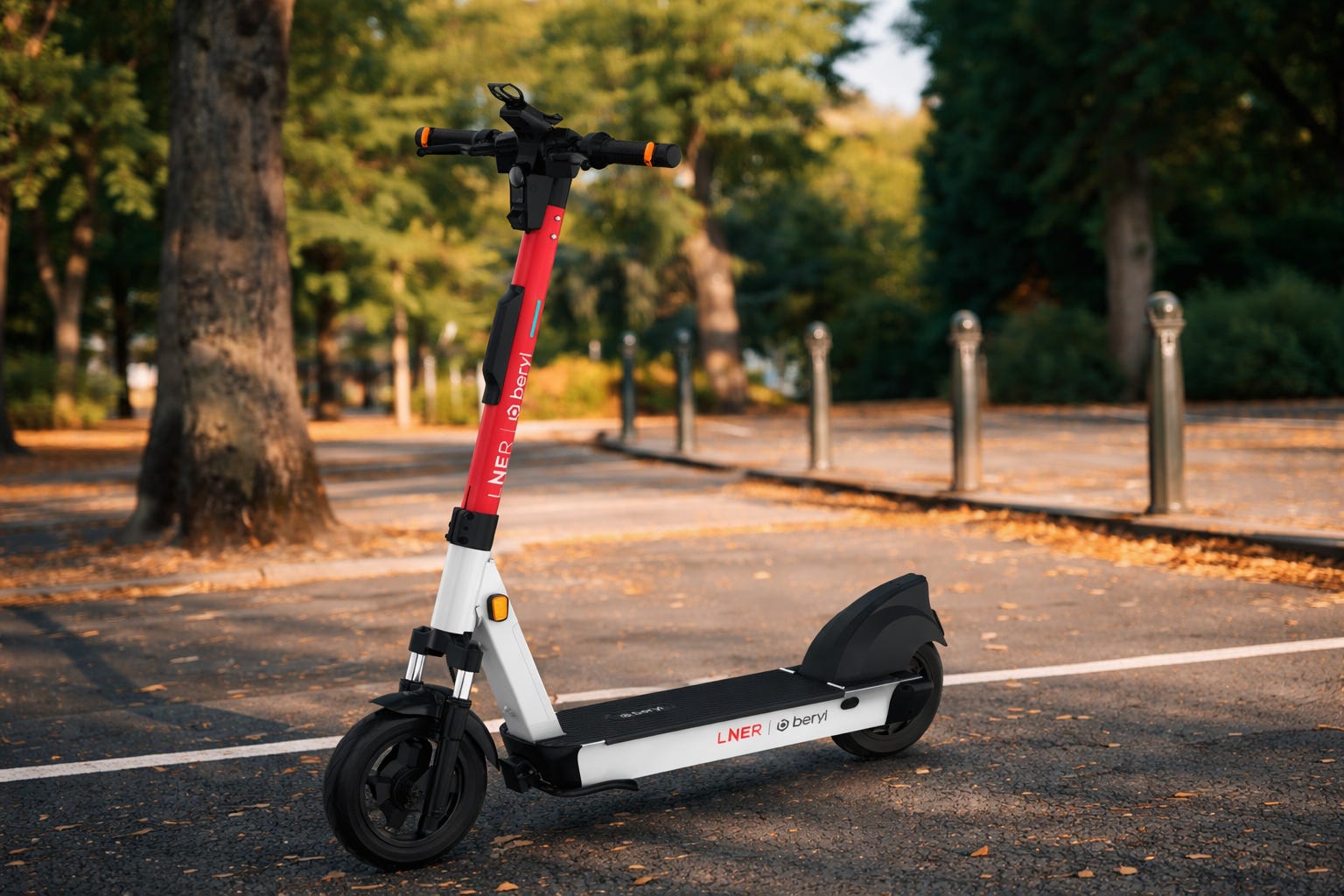
Leeds, a city in West Yorkshire, northern England, has launched shared e-scooters through its existing partnership between LNER, Leeds City Council, and Beryl. Building on the city's bike hire scheme, an initial fleet of 100 e-scooters will operate within the same area, using the same Beryl app and parking locations. The rollout is part of the UK Government's Department for Transport trial framework, meaning riders must be 18+ and hold a valid driving licence. The Beryl scooters come equipped with GPS geofencing, autonomous braking, and slow-go zones, designed specifically for UK urban conditions.
Veo’s 2025 Rider Survey Report
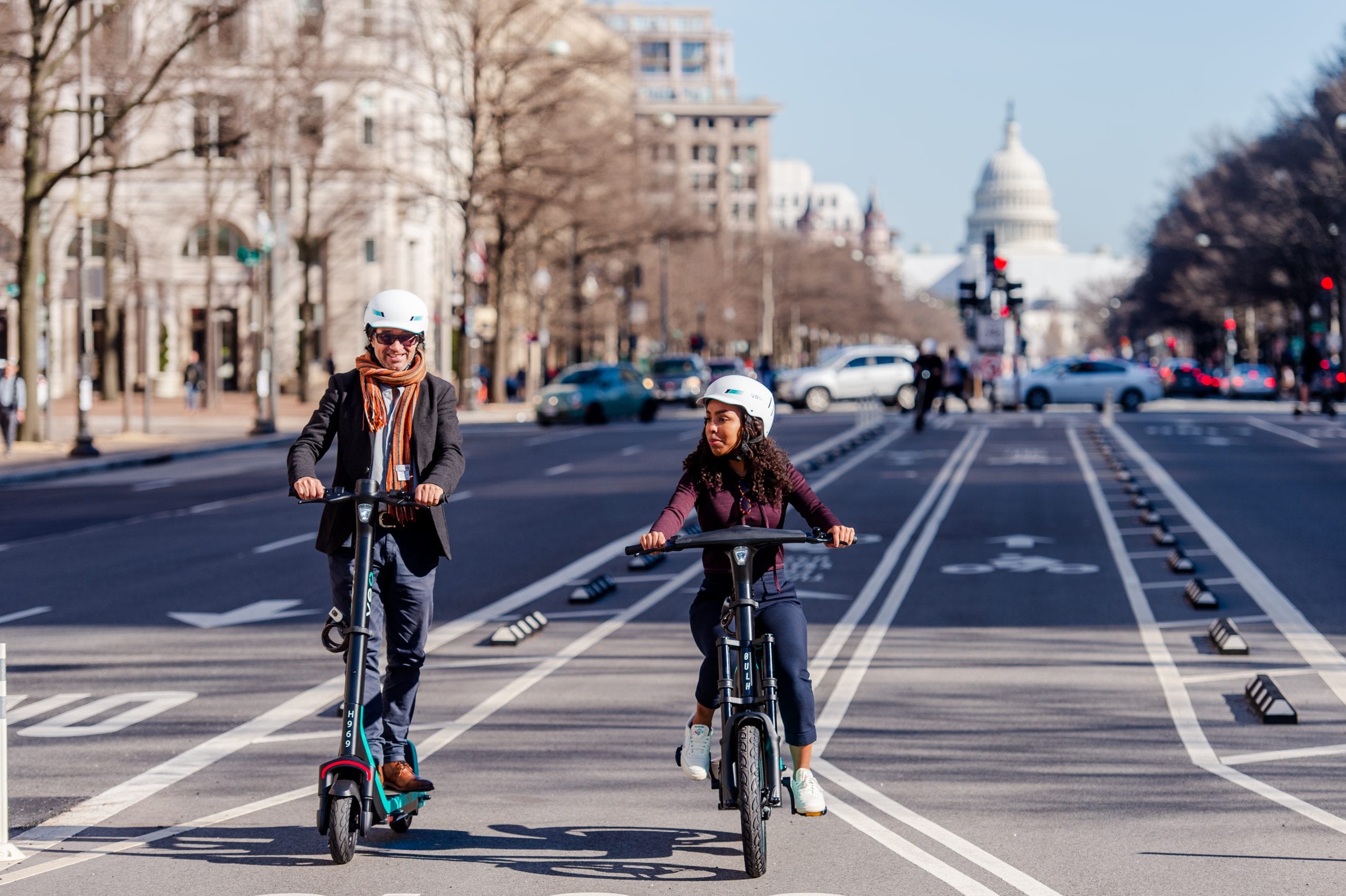
Veo's annual survey of 15k+ riders across 60+ U.S. markets finds that shared scooters and bikes are increasingly replacing car trips, with a third of riders postponing or avoiding car ownership and 74% reducing car travel thanks to Veo. The report calls on cities and operators to expand mixed vehicle fleets, build safer bike infrastructure, and strengthen affordability programs to ensure clean, accessible transportation reaches riders of all incomes and abilities.
Connectivity Is the New Backbone of Micromobility
A January 2026 analyst report by Berg Insight and Pelion finds that as micromobility matures, IoT connectivity has become central to fleet operations, city compliance, and e-bike ownership. Operators increasingly rely on real-time data for geofencing, rebalancing and regulatory reporting, while private e-bike OEMs are embedding connectivity for theft tracking and over-the-air updates. The report recommends multi-network SIM solutions and robust security as baseline requirements for any operator or manufacturer looking to scale.
Central Florida Moves Toward Stronger E-Bike Rules
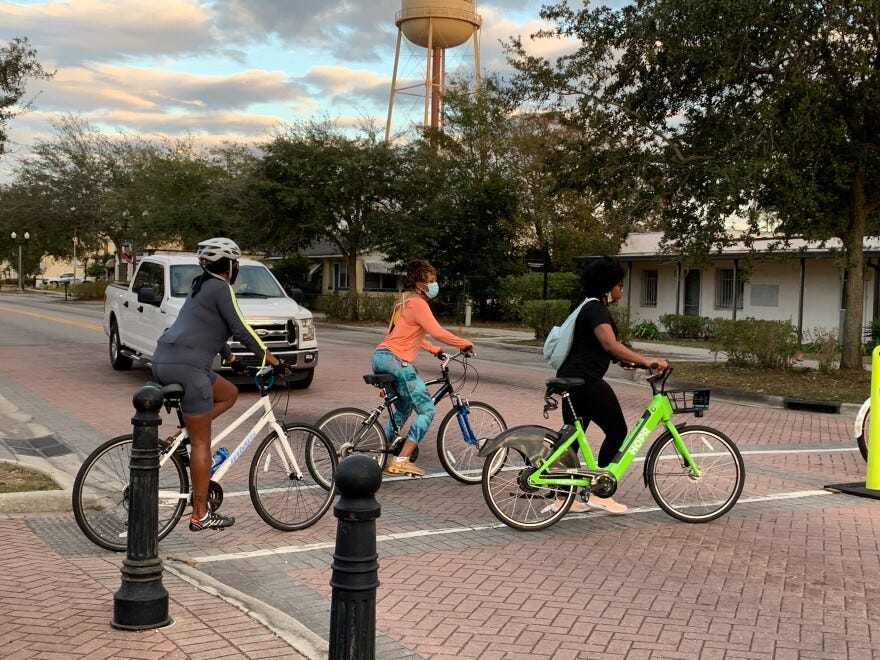
Cities across Florida are stepping up efforts to regulate micromobility as usage grows. In DeLand, officials are advancing rules to ban e-bikes and scooters from downtown sidewalks and require helmets for riders under 18. Meanwhile, other local governments are introducing their own policies as the state works toward a more unified approach. A proposed statewide bill would create a Micromobility Safety Task Force, improve crash data tracking, and introduce measures like speed limits near pedestrians, highlighting an ongoing shift toward clearer, safer regulations across the region.
Got your micromobility moment to share? Email us at press@micromobility.io
Loving the vibe? Hop on and ride with us! Subscribe!