.svg)
%2Bcopy.avif)

.svg)

%20(1).jpg)



.webp)

.webp)
Milan is about to get crowded!
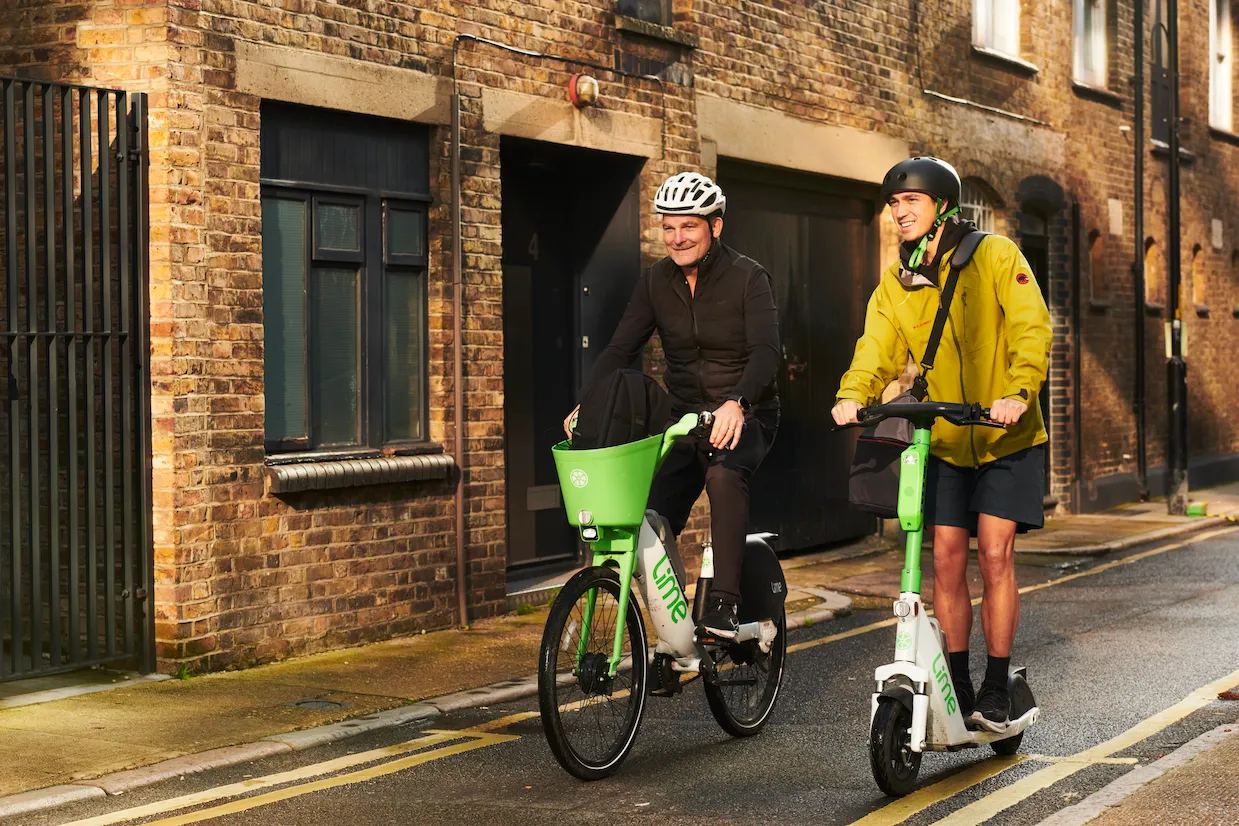
With 2m visitors expected to descend on Milan for the 2026 Winter Olympics, Lime is scaling up using lessons learned from Paris.
The micromobility giant announced yesterday that it is overhauling its operations to meet the demand. The goal is to keep the city moving as travelers navigate between Olympic venues and transport hubs.
The Paris Playbook
It's a familiar strategy for Lime. During the Paris 2024 Summer Games, the company's fleet of 15k e-bikes carried more than 3.4m trips. 60% of those riders were the games’ visitors, covering over 5m kilometers across the city, easing the load on the metro and bus networks. Now, Lime is betting it can replicate that success in a city where micromobility has quietly become part of the urban fabric.
“We are incredibly excited to support a global event of this scale in Milan and to help showcase how shared micromobility has slowly become essential to how we get around in the city. In recent years, the city has undergone a gradual but meaningful transition, with more people shifting away from private cars and mopeds toward bikes and e-scooters, supported by expanding cycling infrastructure and a growing focus on sustainability. At Lime, our experience in Paris showed that during major events, micromobility is not just a convenient option, but a critical part of the transport system,” says Matteo Cioffi, Regional Director for Lime in Central Europe.
Maintenance Over Volume
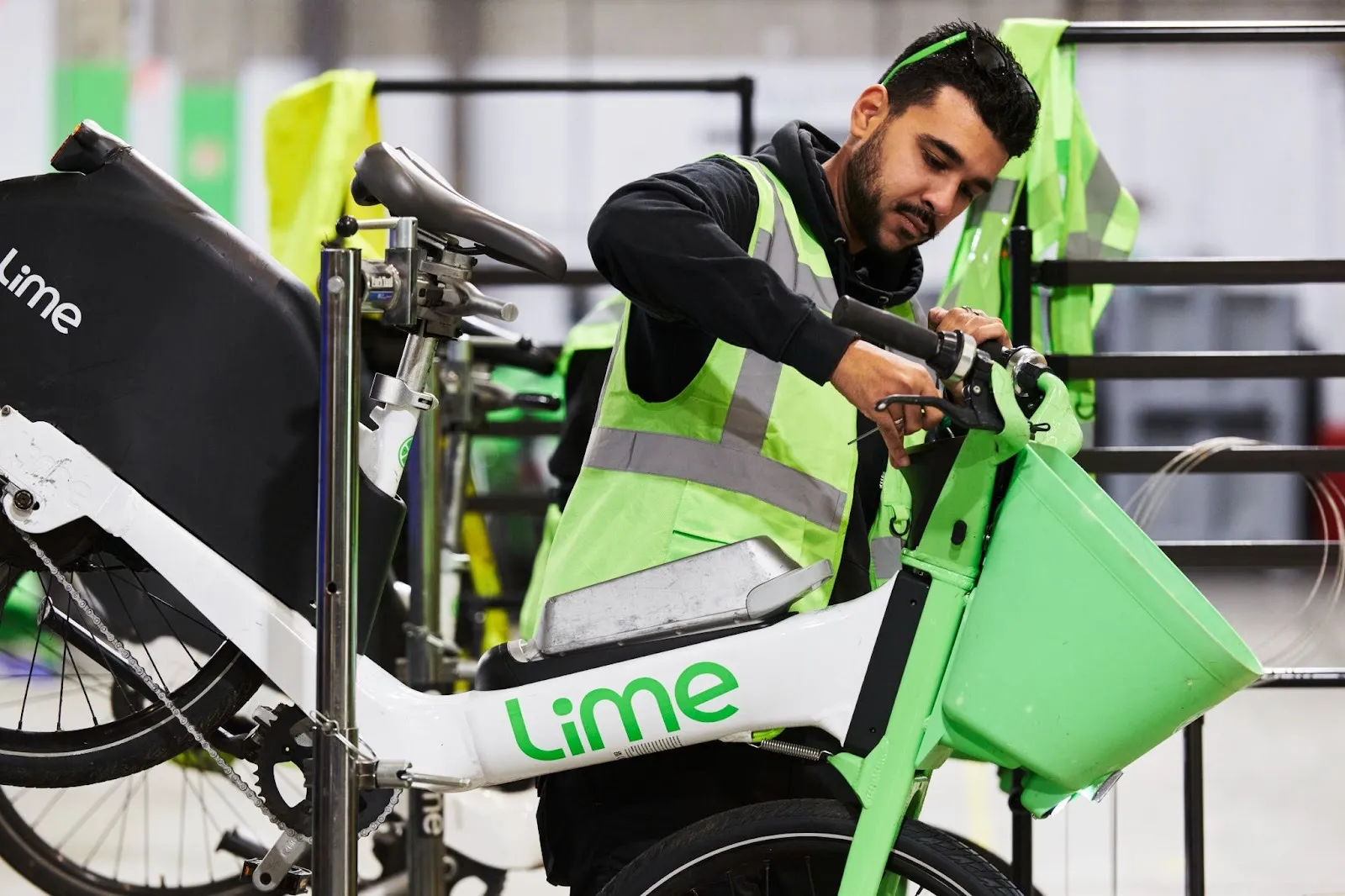
The operational scaling is straightforward but significant. Rather than just dumping more vehicles on the street, Lime is focusing on keeping the existing ones running.
The company is increasing the number of bike mechanics in its Milan warehouse by 30%. This staffing boost aims to speed up vehicle turnaround, bikes and scooters that would normally sit in the warehouse for repairs will get back on the street quicker.
On the ground, the strategy is even more aggressive. Lime is doubling its team of in-field operators. These are the staff responsible for rebalancing the fleet, running safety checks, and handling minor repairs in parking zones. The move is designed to ensure that when a user looks for a bike, they actually find one that works.
This operational focus is now being paired with measured fleet growth. Ahead of the Games, the City of Milan has approved an additional 1k bikes for Lime starting February 5. It’s a clear sign that the city expects shared bikes to play a real role during the Olympic rush, especially at peak hours, while Lime continues to prioritise keeping vehicles on the road and in good working condition.
This fleet includes e-scooters, fourth-generation e-bikes, and the LimeBike launched in May 2025, which features smaller, wider wheels for better stability.
A City Transformed
The Milan that visitors will see in 2026 is very different from the one that existed a few years ago.
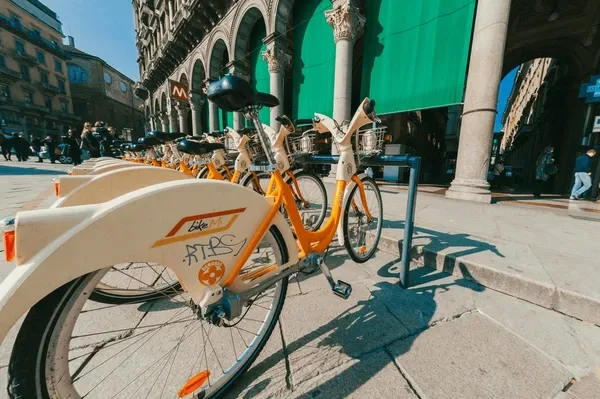
The city's shared bike fleet declined from 18.6k in 2019 to 14k by 2024. Lime is one of several operators serving Milan's growing micromobility market. The city's public bike-sharing system, BikeMi, remains a staple for residents, operating since 2008, it now features a fleet of over 5.4k bicycles across 325 stations. The free-floating competition is led by major European operators including Lime and the merged Dott-TIER entity. Both Dott and Bolt hold renewed licenses to operate in Milan through 2026, positioning them as key players for the Olympic surge.
The days of the "Wild West" are also gone. In 2019, operators flooded streets with scooters, forcing the city to scramble for regulations. Today, Milan caps e-scooter operators at three, with a maximum of 2k vehicles each. Strict rules now apply, maximum speeds of 20 km/h (6 km/h in pedestrian areas) and a power limit of 500 watts.
Interestingly, the city has shown a clear preference for bikes over scooters. Milan leads Italy with 8.38k e-bikes, well ahead of Rome's 4.14k and Bologna's 2.42k. The Paris experience validated this preference, Lime deployed only e-bikes during those Games. In Milan, however, they will deploy both, offering the flexibility to respond to demand patterns as they emerge.
A Legacy of Infrastructure
What makes this moment interesting for Lime is the timing. The Olympics happen to align with an ambitious infrastructure buildout in Milan.
Under the "Cambio" plan launched in 2021, the city aims to build 750 km of new cycle paths by 2035 with a €250m budget. The goal is to get 80% of homes and services within one kilometer of a bike route.
One project tied directly to the Games is the BEATS bike lane. This 10 km "super-cycle" corridor connects the Loreto district to the Navigli canals. Work on the priority section, running from Piazza Buozzi to Naviglio Pavese, was expedited to begin in late 2025 specifically to serve the Olympic crowds. The city invested €1.2m in this corridor alone, supported by a $400k grant from Bloomberg Philanthropies.
Milan currently has 144 km of cycling lanes covering 11% of the road network. The city added 86 km of new infrastructure during the COVID-19 pandemic, part of a broader push to reduce car dependency and create safer cycling conditions.
The "Last Mile" at 2 AM
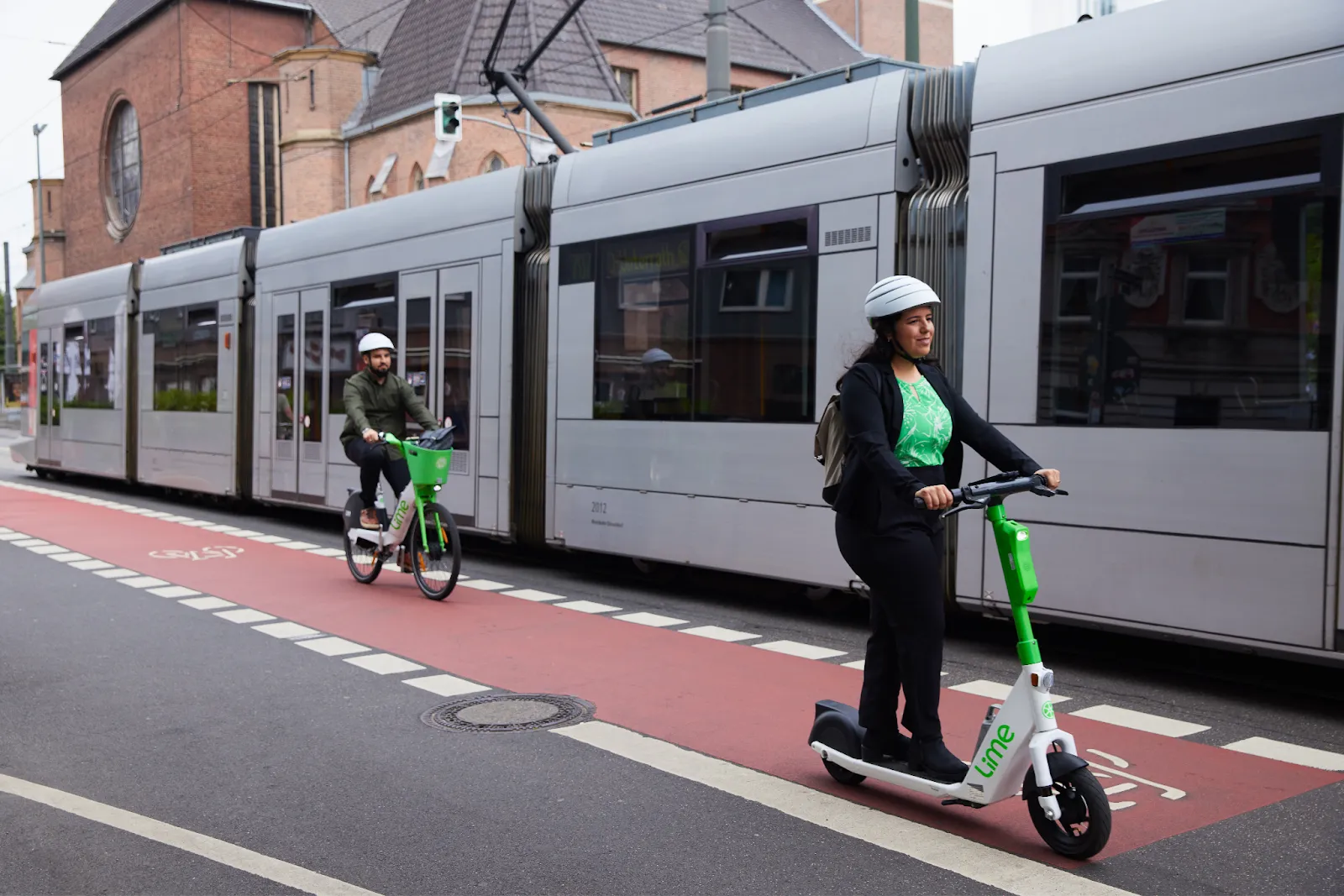
The Olympics will run from February 6 to 22, 2026, with events spread across eight cities in Northern Italy, including Milan, Cortina d'Ampezzo, Bormio, and Livigno. This makes it the most geographically dispersed Winter Games on record.
One of the most critical updates for the 2026 season is the expansion of public transport capacity. Milan’s local operator, ATM, has confirmed it will extend Metro service until 2 AM during the Olympic period.
This is where the "last mile" becomes a reality. When thousands of people exit a venue at midnight, the Metro can take them to their neighborhood, but shared bikes and scooters will be the primary tool to get them the rest of the way home in sub-zero temperatures.
The Winter Test
The next few weeks will serve as a major stress test for Milan. The city ranks 4th among European cities for shared mobility, positioning itself as a model for the continent. But the pressure of 2m visitors is a different beast entirely.
If Lime's operational overhaul works, and if Milan's new infrastructure holds up, these Games could prove that shared mobility is not just a fair-weather convenience, it's a critical part of the urban transit backbone. The infrastructure is there, the fleet is ready, now they just need the riders.