.svg)
%2Bcopy.avif)


.svg)

%20(1).jpg)


.webp)

.webp)
Fresh rides, bold takeovers, and everything in between. Micromobility Weekly is your pit stop for the industry’s sharpest twists, turns, and takeovers. Come Ride Along!
Got Your Micromobility Moment To Share? Email - press@micromobility.io
Hooked but not subscribed? 👀 Now’s the time. You’ll thank yourself later.
Announcing First Wave of Early Partners and Sponsors at MME 2026🌟 🇩🇪
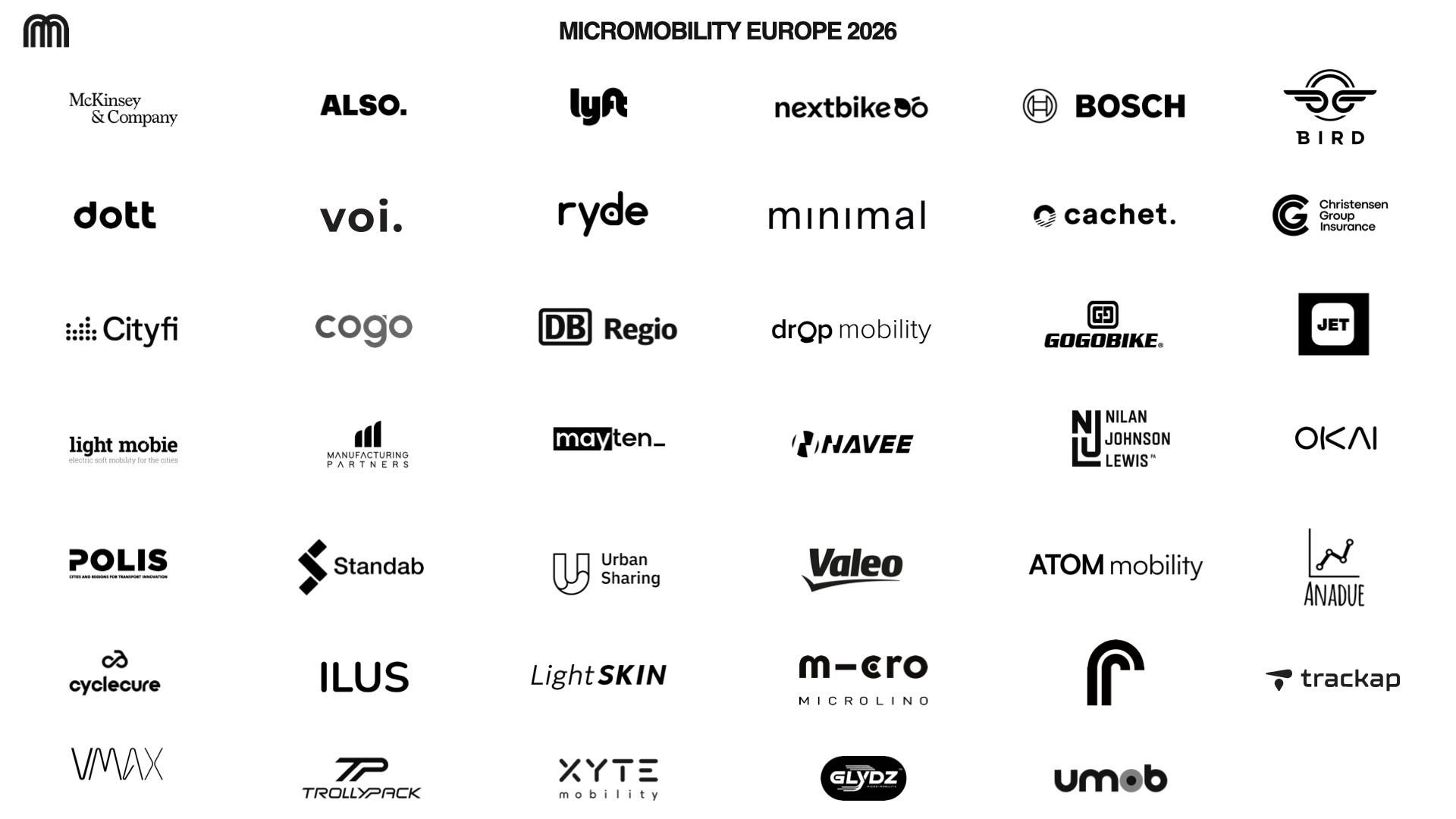
Micromobility Europe 2026 brings together the companies building and backing the future of urban mobility, from global leaders to the innovators shaping what comes next.
We’re proud to welcome an incredible group of early partners including McKinsey, Rivian’s ALSO, LYFT, RYDE, Dott, NextBike, POLIS, Urban Sharing, Navee, CityFi, Valeo, XYTE, Vmax, Microlino, Standab, Atom, alongside more companies joining us this year.

The Spring Sale for Micromobility Europe 2026 is ending at midnight today. If you’ve been thinking about attending, now’s a great time to secure your ticket at the discounted rate.
Get your tickets before midnight tomorrow at €425! 🚨
[Sponsor/Exhibit] | [Speak at the Event] | [Exhibit as a Startup] | [Get A Free Pass]
And to find all about Micromobility America | Nov 11-12 | Palace of Fine Arts, SFO - HERE!
What You Need to Know Today
Dott Deploys 45k New E-Bikes and Scooters
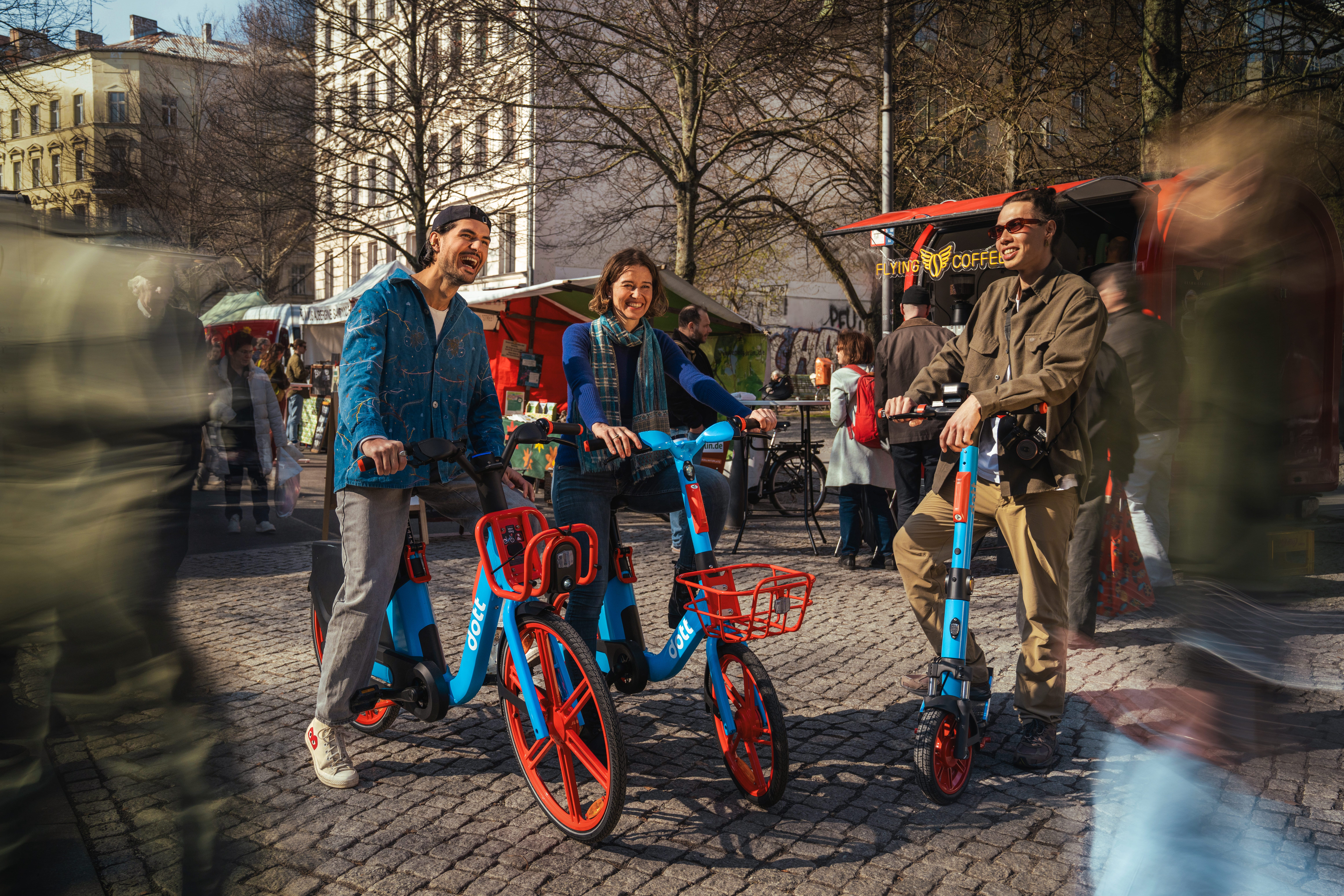
Dott is rolling out 45k new e-bikes and e-scooters across major European cities including Helsinki, Hamburg, Bristol, Brussels, Milan, and Lyon for the spring season. The new fleet includes 13k e-bikes and 32k e-scooters, featuring upgrades like double battery capacity, improved stability, lighter frames, and faster unlock systems. The rollout aims to enhance ride quality, increase availability, and support growing demand for shared micromobility across European cities.
ALSO Raises $200M, Partners with DoorDash
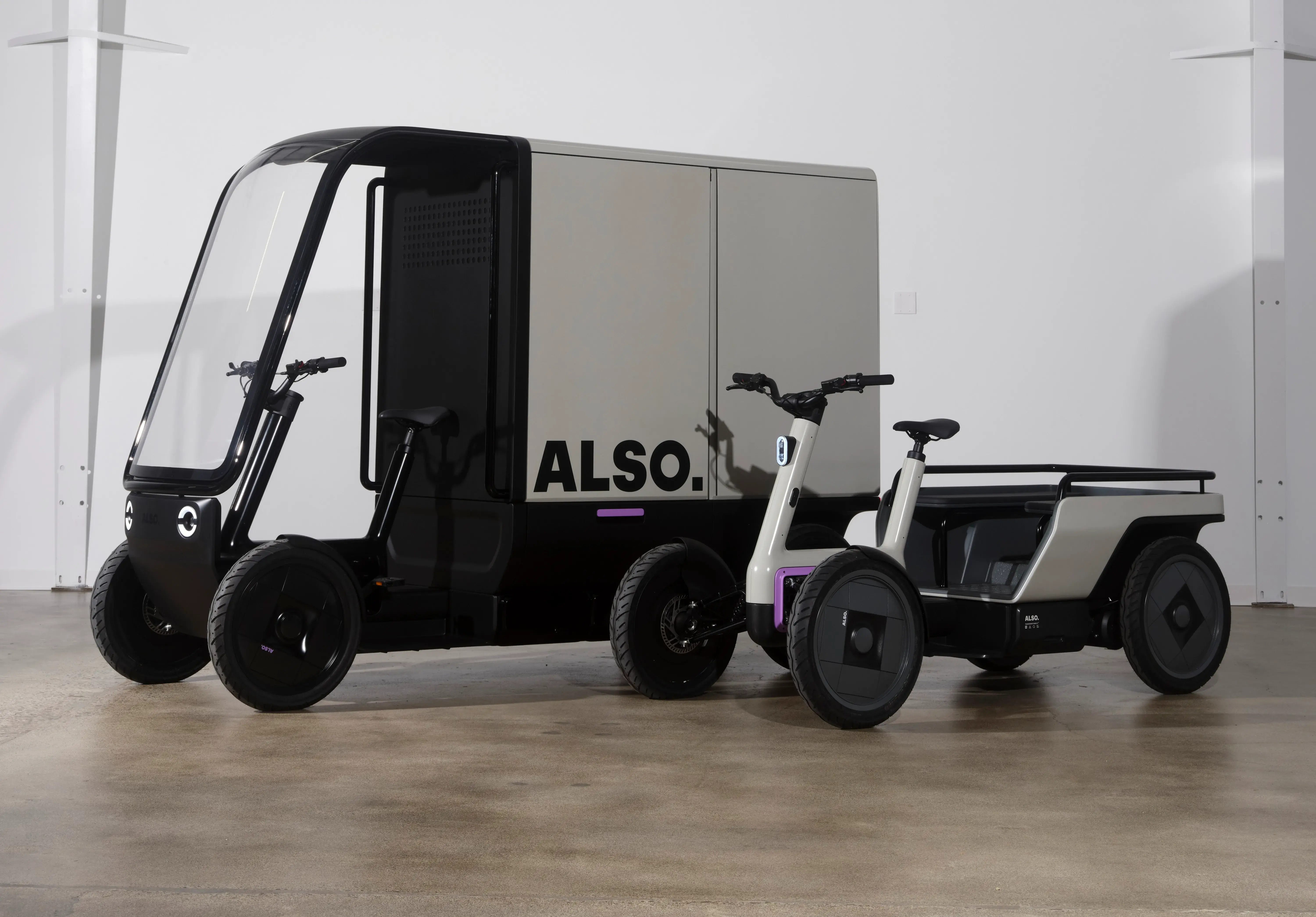
ALSO, a Palo Alto-based micromobility company, has raised $200m in a Series C round and has announced a strategic partnership with DoorDash. The collaboration will focus on developing autonomous last-mile delivery using ALSO’s small electric vehicles, designed for bike lanes and dense urban environments. Backed by investors like Greenoaks and Prysm Capital, the funding will support product development and global expansion, as ALSO prepares to begin U.S. deliveries in 2026.
Two-Wheel Deliveries Surge Across US and Canada
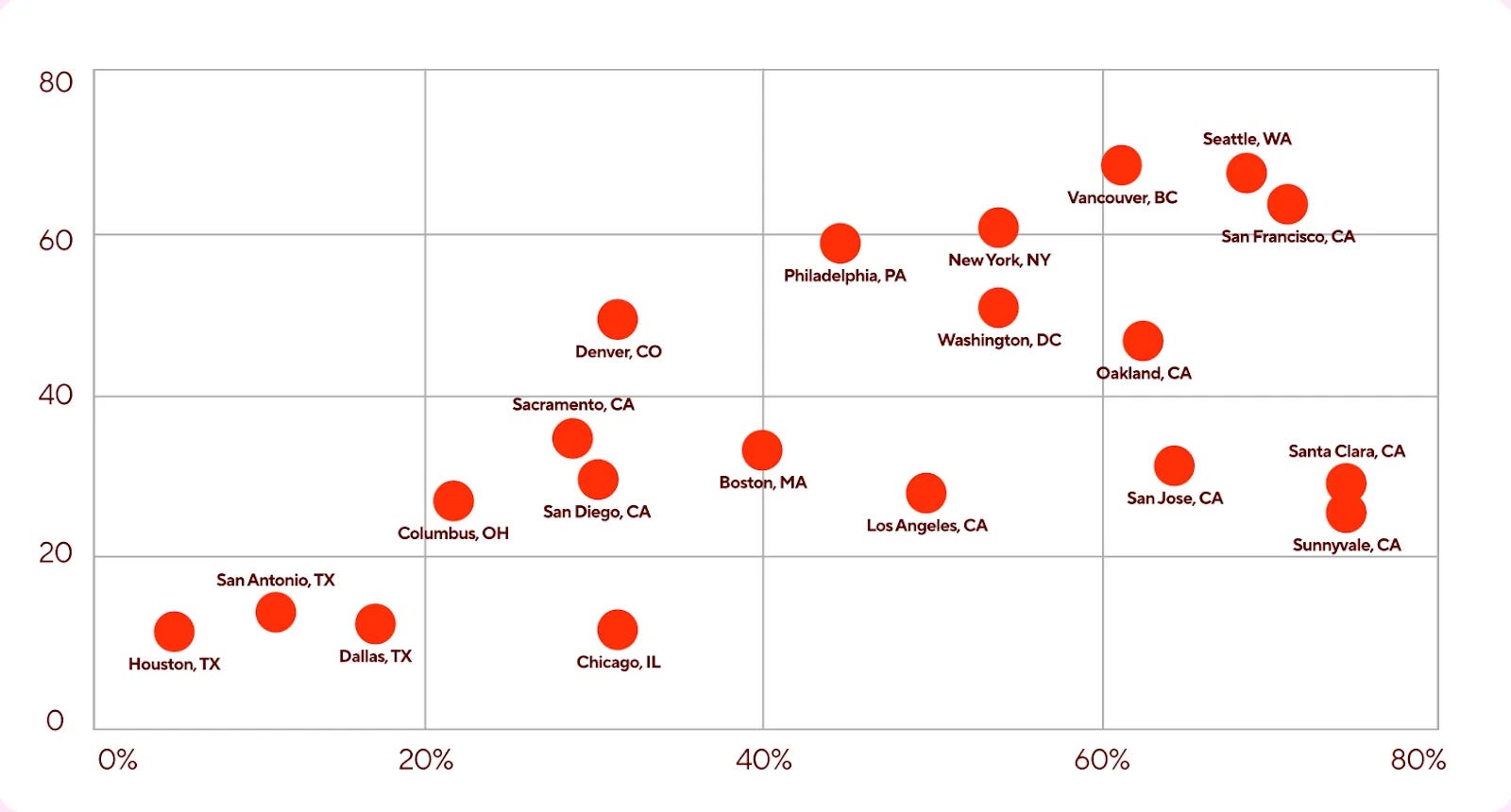
A new report from DoorDash shows rapid growth in bike and e-bike deliveries across the U.S. and Canada, with two-wheeled trips increasing nearly four times faster than car-based deliveries between 2024 and 2025. In cities like San Francisco, Seattle, and Washington, D.C., over half of deliveries are now completed on two wheels, driven by faster trips, easier parking, and higher earnings for riders. The report highlights that strong cycling infrastructure is key to this shift, with cities investing in bike lanes and safer streets seeing the highest adoption, alongside benefits like reduced congestion and lower emissions.

- BCAA shares safety tips as e-bike and e-scooter use rises in British Columbia, promoting responsible riding.
- Ridemovi secured new financing to expand its shared micromobility services across Italy and international markets.
- Florida lawmakers passed a bill to create a safety task force and track micromobility crashes, aiming to improve regulation.
- Latvia enforces new e-mobility rules, including age limits, helmet use, insurance, and registration requirements starting April 1.
- Coral Springs, Florida officials push for education, enforcement, and clearer rules as e-bike crashes, especially among minors rise.
- Elgin, Illinois is holding off on local e-bike and scooter laws until state legislation is finalized to avoid inconsistent rules.
Cogo Launches Multimodal Trip Planning Feature
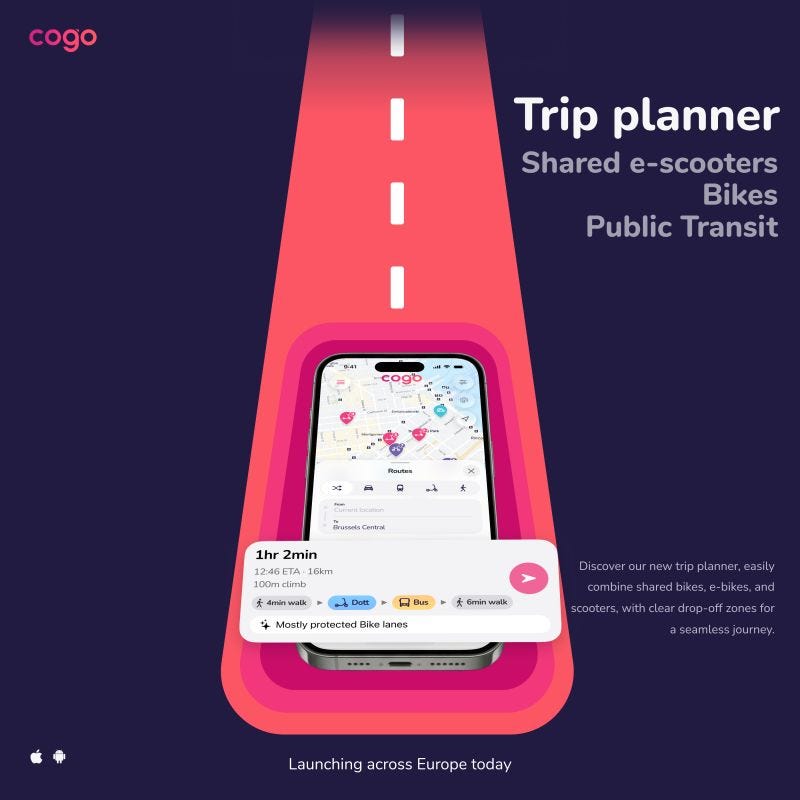
Cogo, a mobility planning app, has introduced a new trip planning feature that integrates micromobility with public transport, allowing users to plan seamless multimodal journeys within a single app. A key upgrade is the ability to route trips based on actual drop-off and parking zones, addressing a common pain point where riders struggle to find valid parking at their destination.
The feature aims to reduce uncertainty and failed trips, while improving overall user experience. It supports major operators including Dott, Lime, and Voi Technology, and is now live across Europe.
Lime Rolls Out 2k E-Bikes and E-Scooters
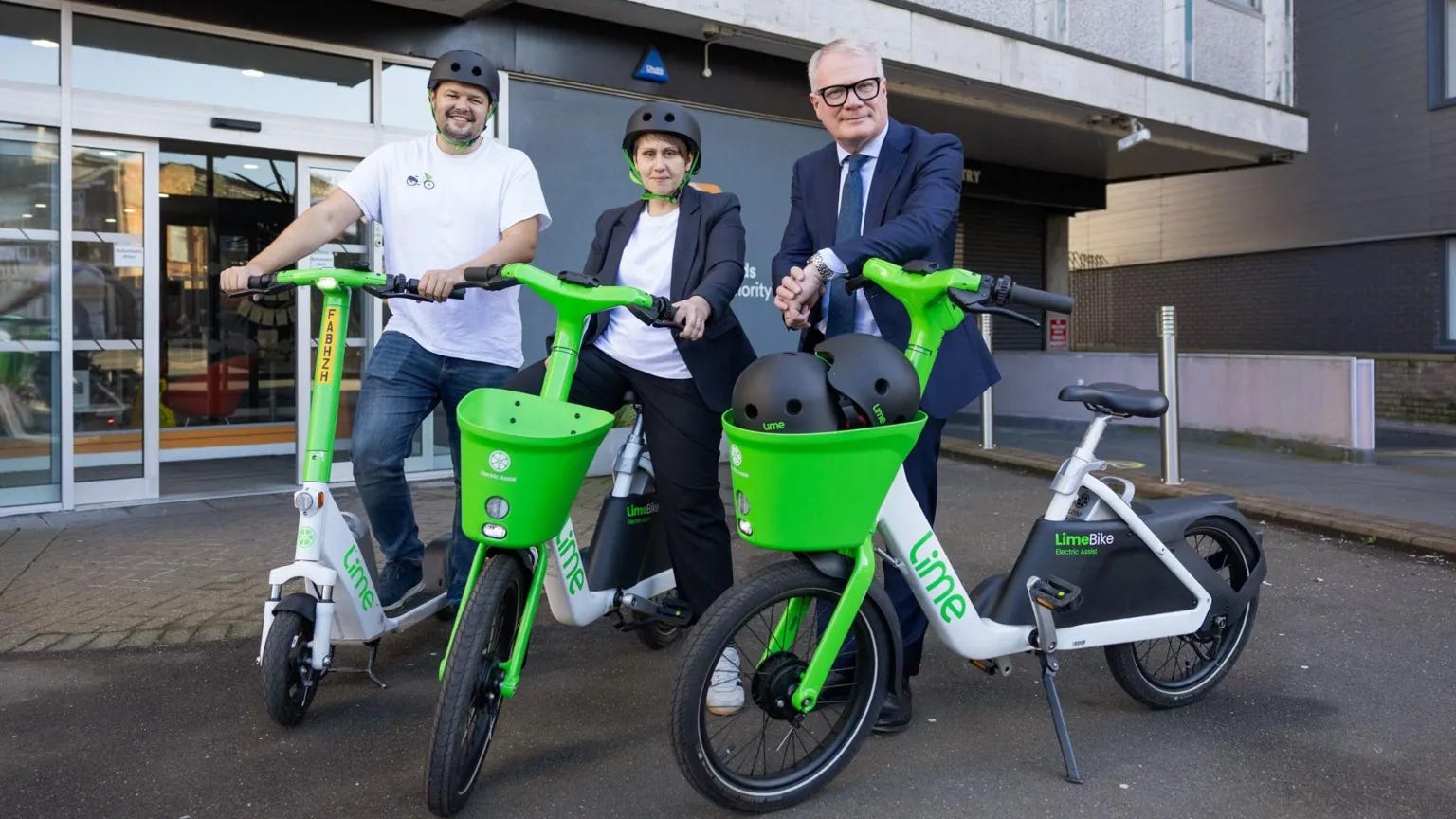
Lime has launched more than 2k shared e-bikes and e-scooters across the West Midlands, taking over operations from Beryl. The rollout has begun in Birmingham, Coventry, and Solihull, with further expansion planned to Dudley, Sandwell, Walsall, and Wolverhampton from June. The vehicles will be available at existing docking stations and additional locations across the region.
Officials say the new contract will save £1.4m annually, while Lime has kept pricing stable for the first two years, aiming to make shared micromobility more accessible for everyday travel.
High Gas Prices Push Riders to Scooters and Bikes
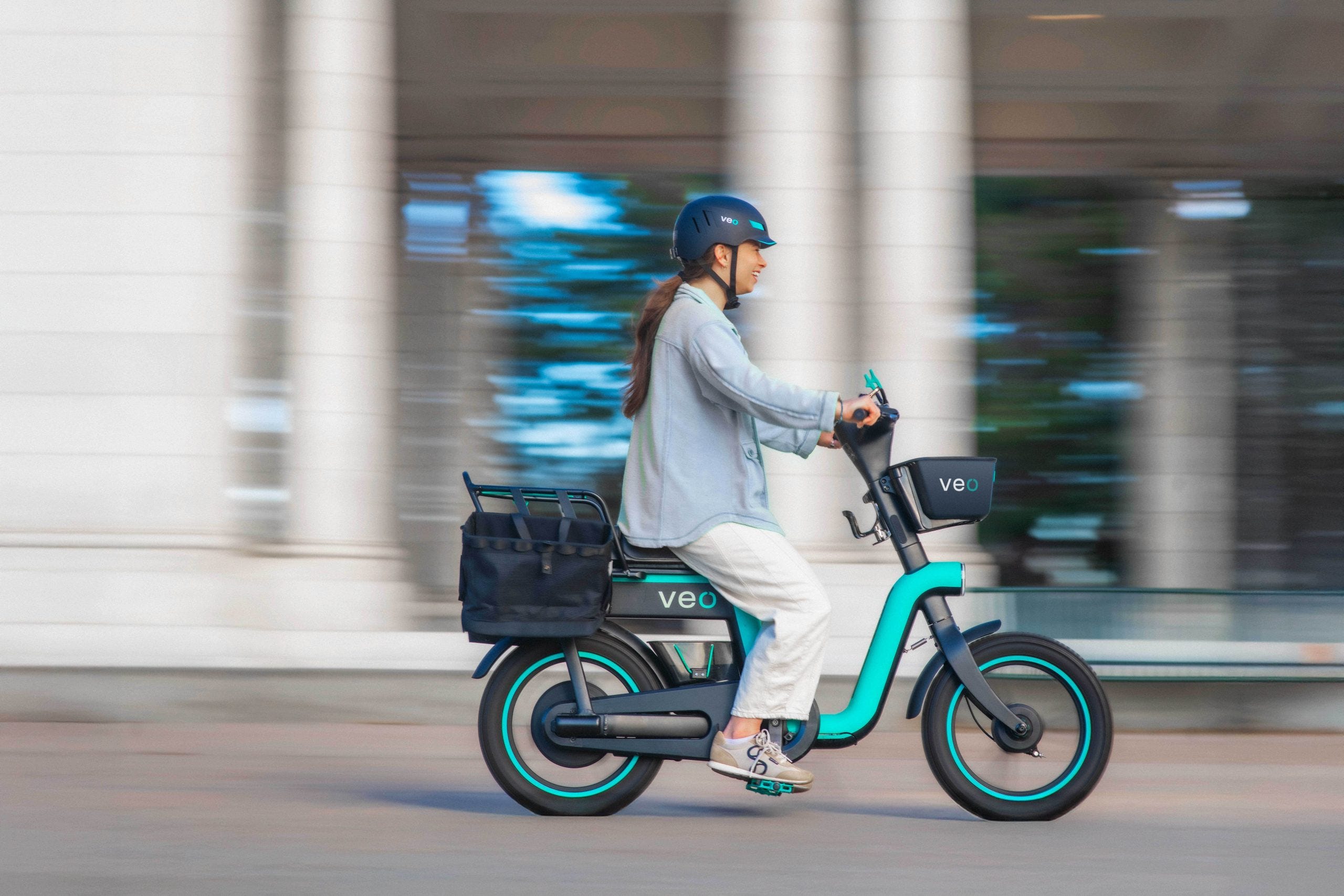
Fuel prices are pushing more people to rethink how they travel. Cowboy estimates that an e-bike commute can cost as little as €0.03 per trip, significantly cheaper than both petrol and electric cars.
At the same time, Veo reports that 68% of riders have already replaced car trips with shared scooters or bikes as gas prices rise, with 73% saying micromobility is more affordable than driving.
Together, the data and user behavior point to a clear shift, as fuel costs climb, micromobility is becoming a practical alternative, not just a convenience.

- A 2023 peer-reviewed study examines how the built environment shapes shared e-scooter usage, using route-level (“link flow”) data and machine learning methods. The authors find that e-scooter demand is strongly influenced by factors such as distance to the city centre, presence and type of bike infrastructure, road slope, speed limits, and street greenery. Notably, protected bike lanes with physical separation from traffic attract significantly higher usage, highlighting the critical role of safe, well-designed infrastructure in driving micromobility adoption.
- Full paper: How the built environment affects E-scooter sharing link flows: A machine learning approach.
- Authors: Scarlett T. Jin, Lei Wang, Daniel Sui (2023)
- A 2024 peer-reviewed study examines how weather and built environment factors jointly influence shared e-scooter ridership, using machine learning models on data from Brisbane, Australia. The authors find strong non-linear and time-varying effects, where factors like intersection density and land use significantly shape demand, while weather conditions, especially temperature, modify these relationships. Notably, higher temperatures can increase ridership in some contexts, but effects vary by time and location, highlighting the need for context-specific, data-driven planning.
- Full paper: How weather and built environment factors influence e-scooter ridership: Understanding non-linear and time varying effects.
- Authors: Ying Lu, Lihong Zhang, Jonathan Corcoran (2024)
- A 2025 peer-reviewed study compares how the built environment influences bike-sharing and electric bike-sharing (e-bike) usage, using a spatiotemporal machine learning approach on trip data from Hefei, China. The authors find that both modes show distinct temporal and spatial patterns, with bike-sharing concentrated in central areas and e-bikes more evenly distributed. Key factors such as distance to metro stations and employment density strongly drive demand, while non-linear effects reveal that road network structure and land use mix impact the two modes differently. The study highlights the importance of mode-specific planning for shared micromobility systems.
- Full paper: Comparing built environment effects on bike-sharing and electric bike-sharing usage: A spatiotemporal machine learning approach.
- Authors: Yisong Zhu, Ziqi Yang, Xi Feng, Cheng Cheng, Yuntao Guo, Qiumeng Li, Tianhao Wu, Xinghua Li, Frank Witlox (2025)
Don't Miss Curbivore 2026
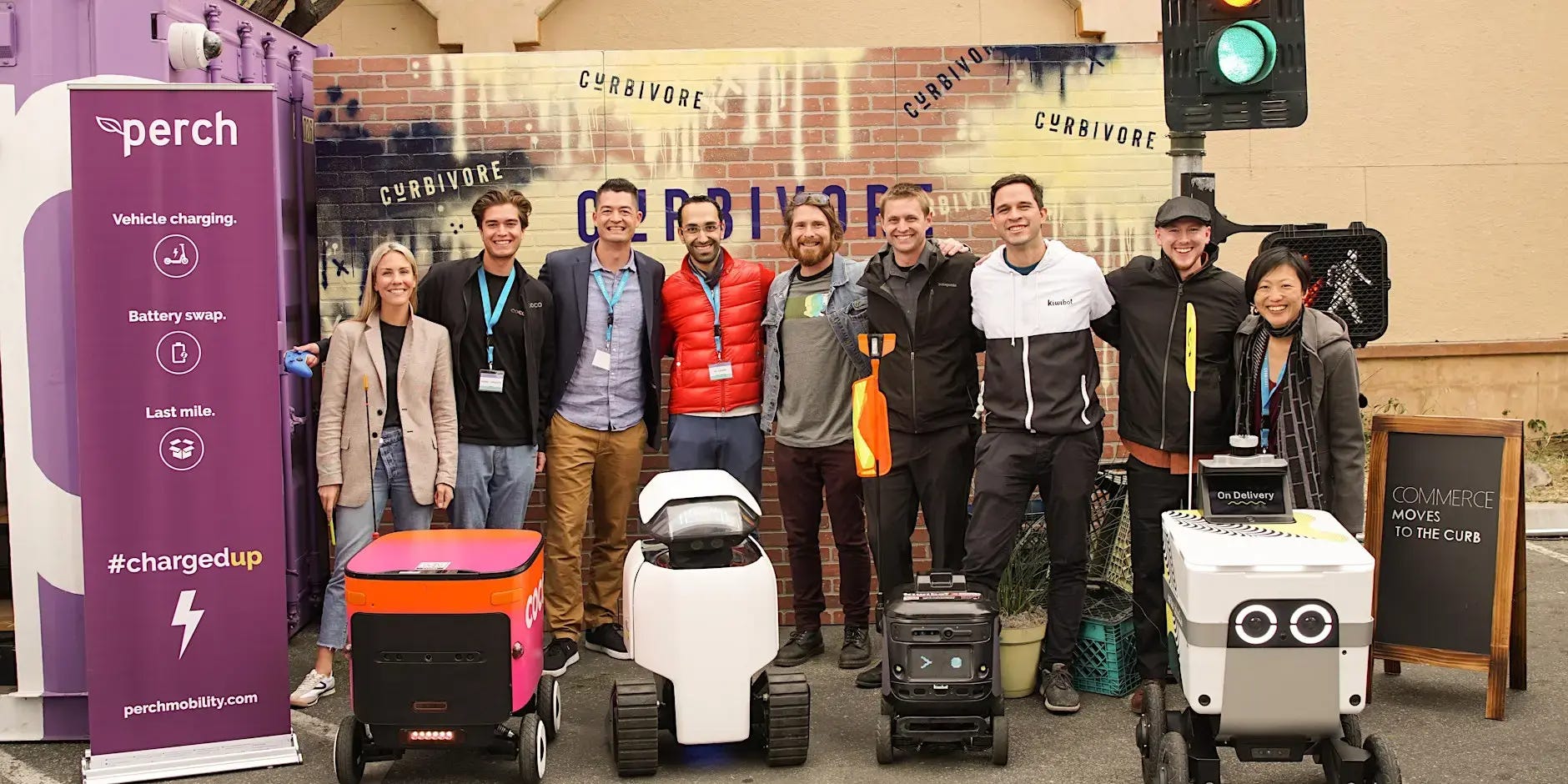
Curbivore 2026 is happening April 16-17 in Downtown LA - autonomy, delivery, and mobility all under one roof. Speakers from Uber, DoorDash, Instacart, CPUC, LADOT and more are confirmed. Use code MICRO50 for 50% off.
Utah Tightens Rules on High-Powered E-Bikes
The state of Utah is introducing new regulations targeting high-powered e-bikes and electric motorcycles, with the law set to take effect in May 2026. Under the updated rules, certain high-speed electric bikes, including electric dirt bikes, will be classified as motorcycles, requiring registration, insurance, and a valid license. Traditional e-bikes, however, will continue to be treated like bicycles, though riders may be encouraged to complete safety courses. Authorities say the move aims to address growing safety concerns around speeding, reckless riding, and injuries, with enforcement focusing on both education and stricter penalties.
Riese & Müller Highlights Sustainability Progress

German premium e-bike maker Riese & Müller’s latest sustainability report outlines its progress in reducing emissions, improving circularity, and advancing responsible production across its operations.
It shipped over 75k bikes from its Mühltal campus in 2024/25, with 86% of rides replacing short car trips under 10 km. The company reduced frame-related CO₂ emissions by 438 tonnes by using recycled aluminium in 48% of its bikes, with its Carrie cargo bike reaching 81% recycled content. It maintained a 90.3% waste recycling rate and covered nearly 70% of its electricity needs via on-site solar. The report also reflects a broader industry push, with Riese & Müller hosting sustainability barcamps, supplier audits, and campus visits to drive collective change across the bicycle sector.
Hey! Want to collaborate on an article or a deep dive?
Write to us at hello@micromobility.io - we’ve got a reach of 80k+ subscribers ready to read you.
Get yourself out there, grab ad slots that actually get noticed, and be seen by people who care
Got your micromobility moment to share? Email us at press@micromobility.io
Loving the vibe? Hop on and ride with us! Subscribe!