.svg)
%2Bcopy.avif)

.webp)
.svg)

.jpg)

.webp)
.webp)

Fresh rides, bold takeovers, and everything in between. Micromobility Weekly is your pit stop for the industry’s sharpest twists, turns, and takeovers. Come Ride Along!
Got Your Micromobility Moment To Share? Email - press@micromobility.io
Hooked but not subscribed? 👀 Now’s the time. You’ll thank yourself later.
Limited-Time Ticket Sale Ends TODAY!🚨

Tickets for Micromobility Europe 2026 are €475, but only until TODAY!
Your pass unlocks full access to both days, the expo, test track, networking app, and the after party 🎊
This is it. Final hours to lock in the lowest price.
Grab your tickets now before it’s too late.
Join McKinsey, Rivian’s ALSO, LYFT, RYDE, Dott, NextBike, POLIS, Urban Sharing, Navee, CityFi, Valeo, XYTE, Vmax, Microlino, Standab, Atom and many others!
[Sponsor/Exhibit] | [Speak at the Event] | [Exhibit as a Startup] | [Get A Free Pass]
And to find all about Micromobility America | Nov 11-12 | Palace of Fine Arts, SFO - HERE!
Announcing the Tech Leaders Panel at Micromobility Europe 2026 🎤

For the first time at Micromobility Europe, we’re bringing together a dedicated panel of technology leaders, including CTOs from across the industry, and the lineup speaks for itself.
Topic: The Invisible Tech Stack Behind 100 Million Micromobility Trips
Featuring:
🎤 Vikas Gupta, CPTO, Dott
🎤 Anders Ivarsson, CTO, Voi Technology
🎤 Michael Frumin, VP Technology, Lyft Urban Solutions
🎤 Moderator: Johan Høgåsen-Hallesby, Co-Founder, Beta Mobility
This session dives into the systems, decisions, and infrastructure that make micromobility work at scale.
📍 JUNE 3 | RIDE STAGE | BERLIN
What You Need to Know Today
Why Some Cities Win at Micromobility with Karen Vancluysen, Secretary General of POLIS

In this episode of the Micromobility Podcast, Prabin Joel Jones speaks with Karen Vancluysen, Secretary General of Polis Network, about how cities across Europe are navigating the rise of micromobility and what separates those that succeed from those that struggle.
Heads up! Our podcast has a new dock on YouTube, Apple, and Spotify. Make sure to resubscribe so you don’t miss out. Stay Tuned!!!
Nextbike Joins Micromobility Europe 2026

Nextbike, a global bike-sharing operator active in 400+ cities, will join Micromobility Europe 2026 as a partner for the first time in Berlin. The company plans to showcase a new e-bike while highlighting its mixed fleet approach, combining pedal bikes and e-bikes tailored to different city needs. Nextbike’s focus on integrating bike-sharing with public transport aligns with the event’s theme of building connected, multimodal urban mobility systems.
Segway Launches MUXI Utility E-Bike
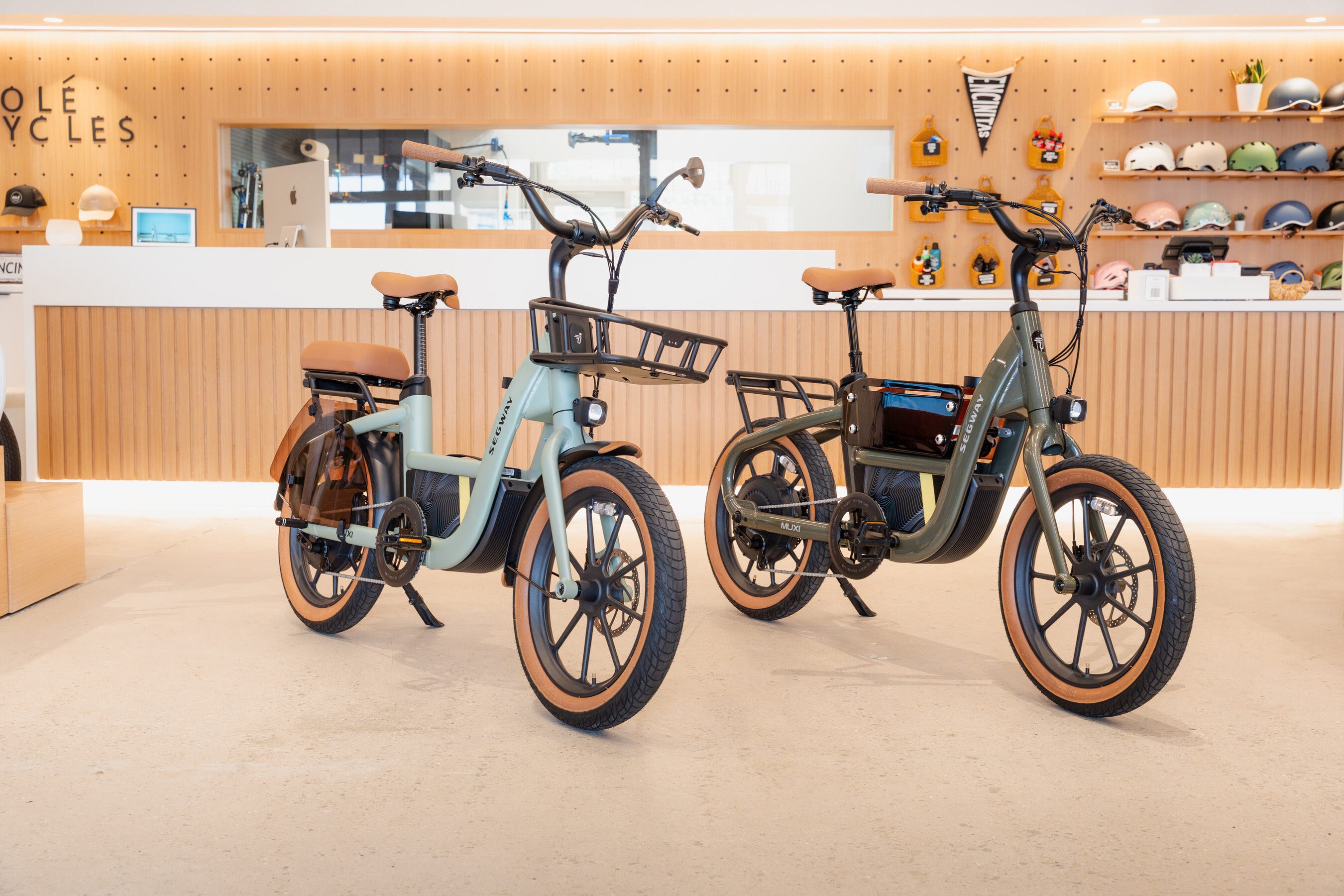
Segway, has launched its first short-tail utility e-bike, the MUXI, now available in the U.S. for $1,699 (~$1.7k). Designed for versatility, the MUXI combines a compact, cargo-friendly design with features like a direct-drive motor, modular accessories, and passenger capability. It also includes smart tech such as Apple Find My, remote locking, OTA updates, and a full-color display. With added features like traction control, regenerative braking, and adaptive assist, the MUXI aims to deliver a practical yet tech-enabled option for everyday urban mobility.
Bolt Unveils AI-Powered Scooter with Built-In Display
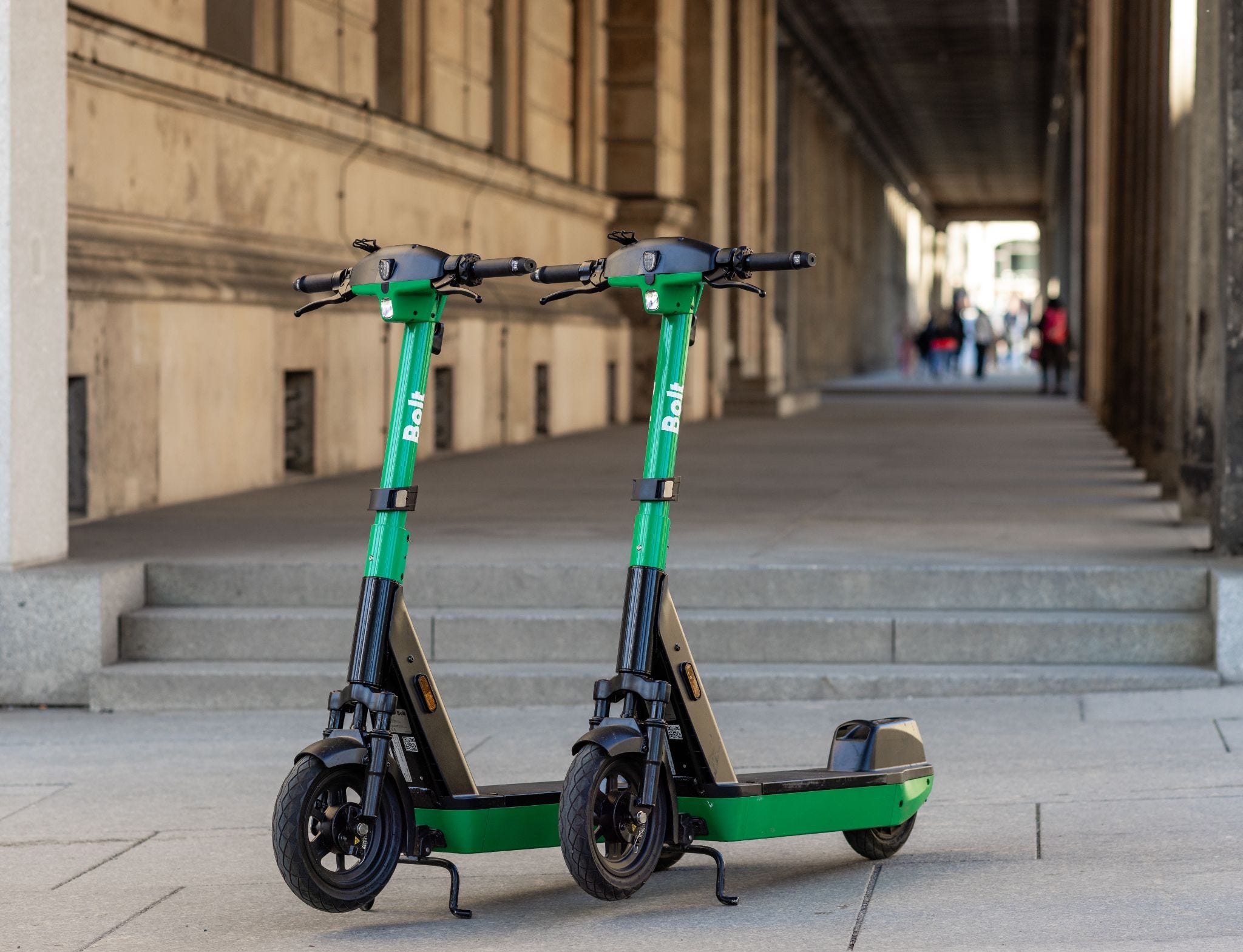
Bolt has launched a next-generation e-scooter featuring a built-in display and onboard AI, with over 22k units rolling out across Germany, Belgium, and Switzerland. The new scooter includes a handlebar-mounted screen showing navigation, parking zones, and local alerts, reducing the need to check a phone. Its onboard AI system provides real-time guidance, detecting pavement riding, restricted zones, and parking areas to improve compliance during the ride. Additional upgrades include stronger lighting, smoother braking, ergonomic design improvements, and enhanced durability, aiming to deliver a safer, more reliable experience for riders and cities alike.

- Los Angeles considers banning e-bikes from hiking and equestrian trails over safety concerns, with the proposal advancing to further review.
- Fairhope, a coastal city in the southern United States, proposes fines, speed limits, and impoundments to curb reckless e-bike and scooter riding.
- La Mesa, near San Diego in Southern California, proposes banning under-12 riders from most e-bikes, with warnings, fines, and possible bike seizures.
- Rome, Italy installs new dedicated parking bays for rental e-scooters and bicycles, aiming to restore order and regulate micro-mobility across the capital.
- Nairobi, Kenya launches the locally assembled Cheche electric motorcycle, supported by a new network of battery-swapping stations to drive sustainable urban transport.
- Vietnam's Vingroup secures a $350m international bond to fuel its green mobility shift, targeting a massive production scale-up of 1m electric motorcycles by 2026.
- Microlino is challenging Switzerland’s EV incentive policy, warning that excluding micro-mobility from carbon credits could push production to China.
- Stark Future reported a 212% Q1 revenue surge and its first EBITDA-profitable quarter, driven by growing demand for its premium electric motorcycles.
- Redmond is considering a ban on pedalless e-bikes in Dry Canyon and other parks following growing safety concerns and trail conflicts.
- Illinois Secretary of State, Alexi Giannoulias is calling for stricter statewide safety regulations for high-speed e-bikes and micromobility devices after SB 3336 cleared the Illinois Senate.
- Florida Polytechnic University has introduced autonomous delivery robots from Starship Technologies to streamline on-campus food and package delivery.
Where Are Europe’s Microcars Made?

Europe dominates microcar usage, especially L7e quadricycles, but most of these vehicles are not made in Europe. Despite strong demand in countries like France, Italy, and Spain, the majority of microcars are imported, largely from China. While companies like Microlino manufacture in Europe, high production costs and limited subsidies make local manufacturing difficult. In contrast, China offers lower costs, strong EV supply chains, and better access to components, making it the global production hub. As a result, even though microcars are becoming a defining part of European urban mobility, their manufacturing remains largely outside the continent, for now.
Ibis Launches Modular Oso eMTB Platform
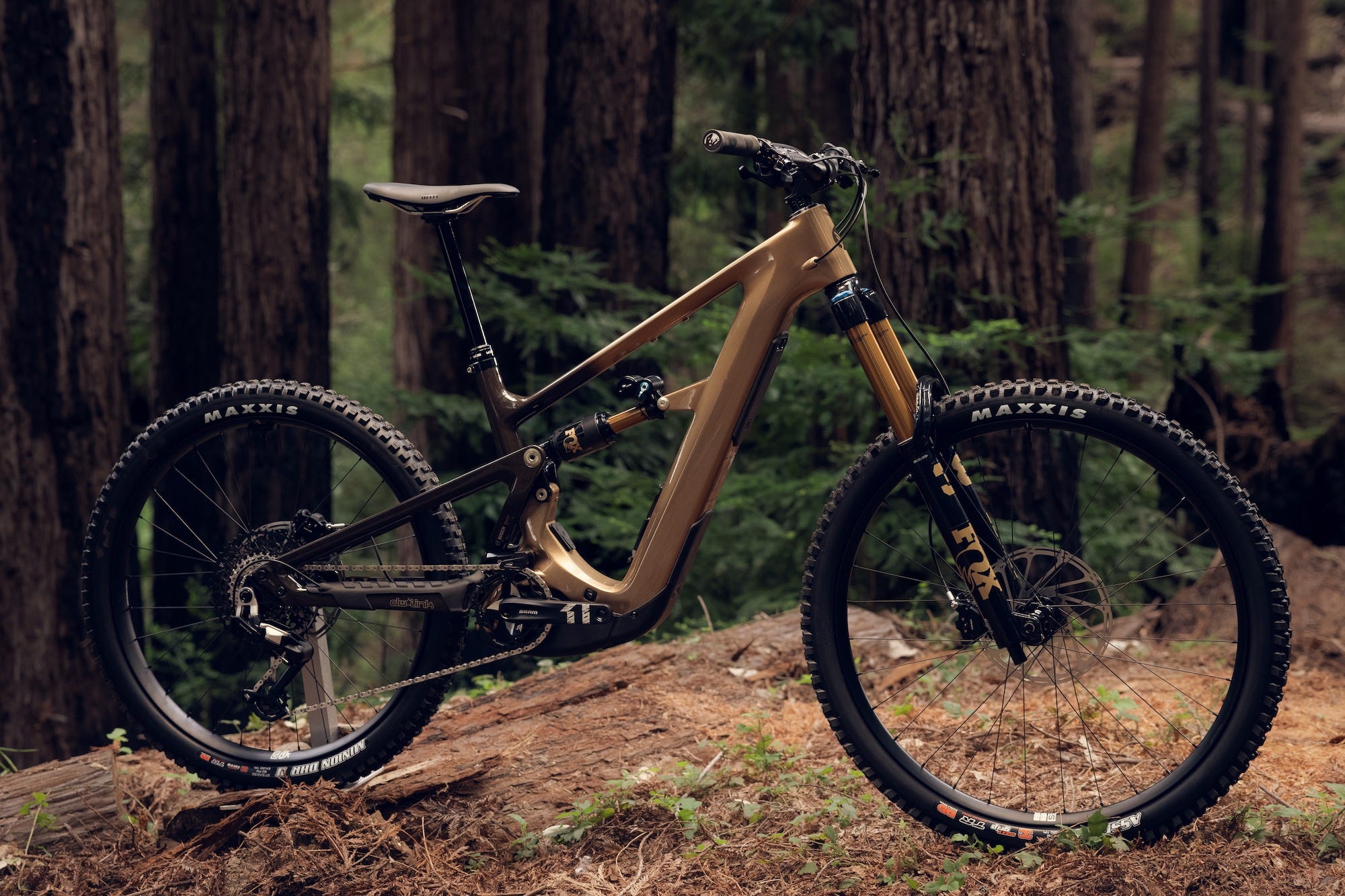
Ibis Cycles, a U.S.-based brand known for high-performance mountain bikes, has introduced the second-generation Oso eMTB, a modular electric mountain bike platform that can be configured into three distinct models - HD, TR, and S. All versions share the same carbon frame and Bosch CX Gen 5 motor, but differ in travel and geometry, ranging from 165mm (enduro) to 130mm (trail-focused). Riders can adjust the setup by swapping components like the fork and shock, effectively turning one bike into multiple ride styles. The bike also features adjustable geometry, wheel sizes, and battery options, making it a highly versatile platform designed to suit different terrains and rider preferences.

- A 2023 peer-reviewed study examines how the built environment shapes shared e-scooter usage, using route-level (“link flow”) data and machine learning methods. The authors find that e-scooter demand is strongly influenced by factors such as distance to the city centre, bike infrastructure, slope, speed limits, and street greenery, with protected bike lanes attracting significantly higher usage. The findings highlight the critical role of safe, well-designed infrastructure in driving micromobility adoption.
- Full paper: How the built environment affects E-scooter sharing link flows: A machine learning approach
- Authors: Scarlett T. Jin, Lei Wang, Daniel Sui (2023)
- A 2024 peer-reviewed study examines how weather and built environment factors jointly influence shared e-scooter ridership, using machine learning models on data from Brisbane, Australia. The authors find strong non-linear and time-varying effects, where built environment factors shape demand, while weather, especially temperature, modifies these relationships. The study highlights the need for context-specific, data-driven planning.
- Full paper: How weather and built environment factors influence e-scooter ridership: Understanding non-linear and time-varying effects
- Authors: Ying Lu, Lihong Zhang, Jonathan Corcoran (2024)
- A 2025 peer-reviewed study examines best practices for implementing shared micromobility parking infrastructure, drawing on interviews with transport professionals across 12 cities in five countries. The authors find that dense networks of designated parking zones, strategic placement using demand and built environment data, and integration with existing street infrastructure are critical to improving parking compliance and safety. The study highlights that effective implementation also depends on cost, maintenance, and long-term planning considerations to support scalable and sustainable micromobility systems.
- Full paper: Implementing shared micromobility parking: Planning and engineering best practices from around the globe.
- Authors: Anne Brown, Calvin Thigpen, Nicholas J. Klein (2025)
ENGWE Launches Lightweight ZIP Folding E-Bike
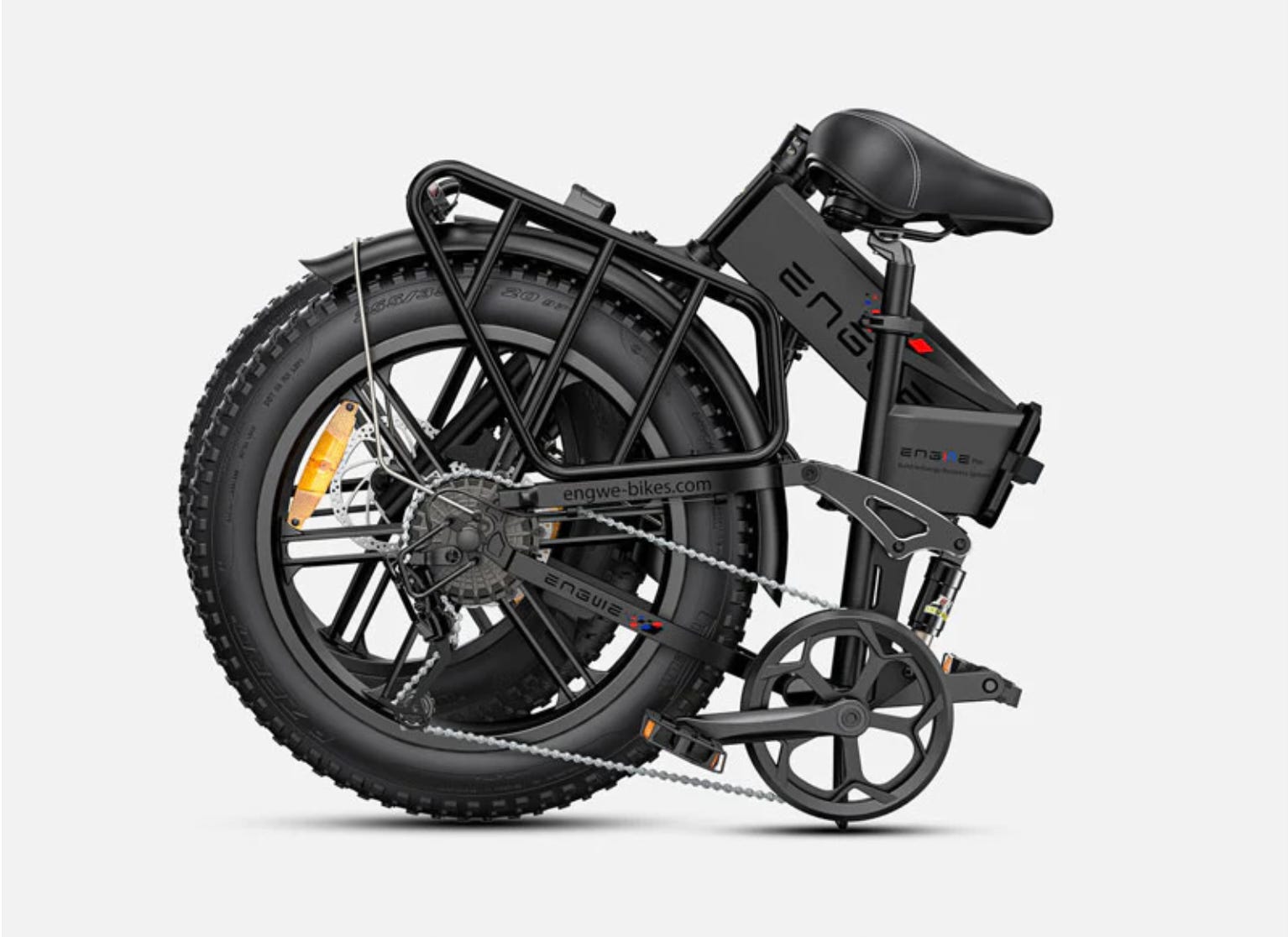
ENGWE has introduced the ZIP, a lightweight folding e-bike designed specifically for urban commuting, marking the company’s entry into the compact city mobility segment. Weighing just 16.9 kg, the bike features a patented triple-fold mechanism that allows it to collapse in three seconds for easy storage in apartments, offices, or public transport. It is powered by a 250W rear hub motor delivering 40Nm of torque and a 36V 10Ah removable battery offering up to 120 km of range, which also doubles as a USB-C power bank for charging devices on the go. The ZIP also includes a torque sensor, Shimano 7-speed drivetrain, hydraulic disc brakes, and a suspension seatpost to enhance ride comfort and control. The launch coincides with ENGWE’s 12th anniversary, with the company offering limited-time promotional bundles alongside the new model.
Veo Moves Toward Exclusive Denver Contract
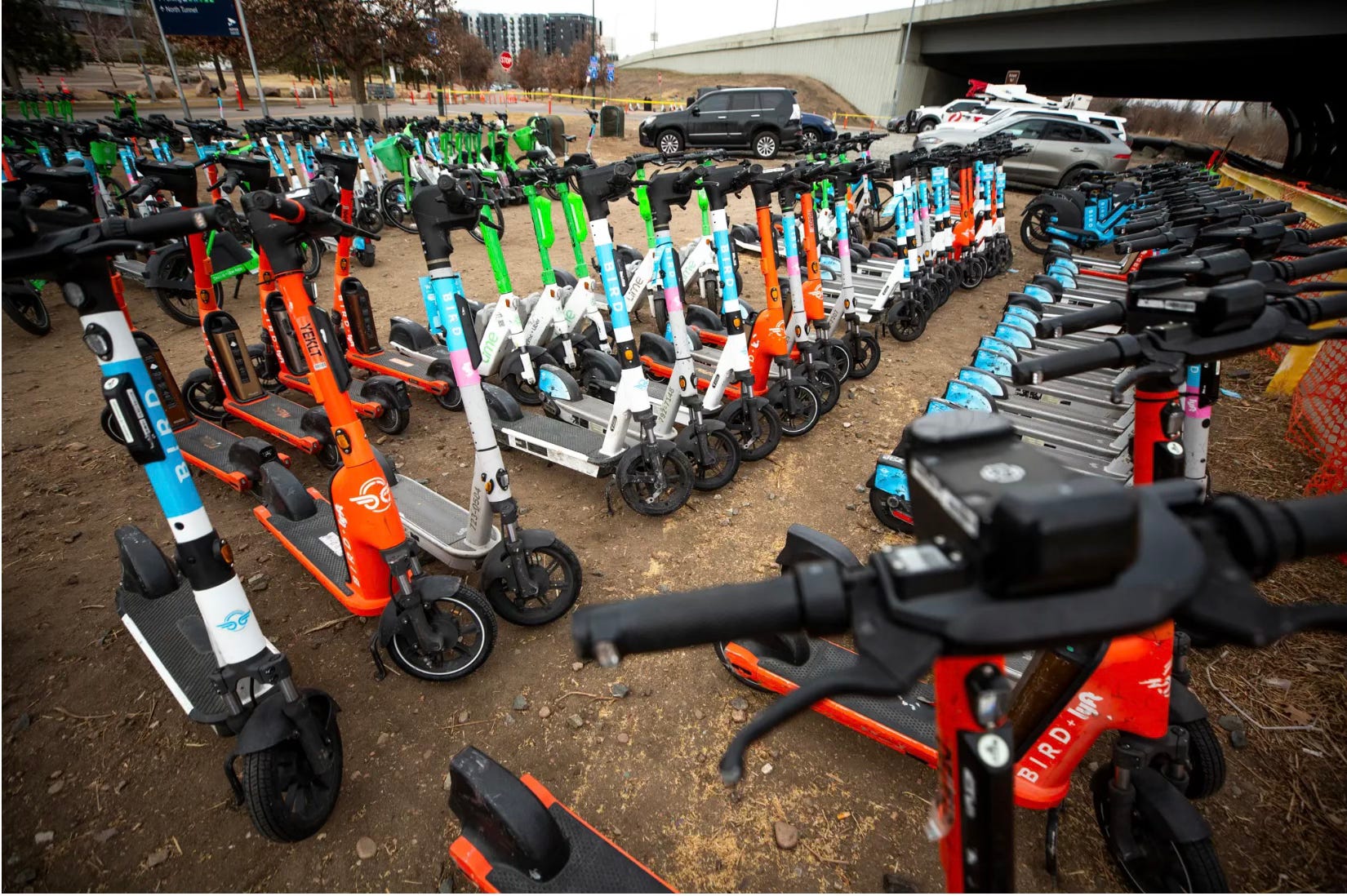
Denver is moving closer to awarding Veo a three-year exclusive contract to operate the city’s shared scooters and bikes, replacing Lime and Bird. The proposal, which recently advanced through a city council committee, would expand the fleet from roughly 4.2k vehicles to around 9k, including e-bikes, standing and seated scooters, and adaptive vehicles such as trikes. Officials say the move to a single-operator model could also bring 10–35% lower pricing, improved safety technology, and expanded equity programs, though the plan has sparked debate among council members over transparency, accessibility, and the transition process. If approved, the rollout could begin as early as spring 2026 when existing operator agreements expire.
Hey! Want to collaborate on an article or a deep dive?
Write to us at hello@micromobility.io - we’ve got a reach of 80k+ subscribers ready to read you.
Get yourself out there, grab ad slots that actually get noticed, and be seen by people who care
Got your micromobility moment to share? Email us at press@micromobility.io
Loving the vibe? Hop on and ride with us! Subscribe!