.svg)
%2Bcopy.avif)


.svg)


.webp)

.webp)
.avif)
The Netherlands sold fewer bikes in 2025, but sales tell only half the story.
While the number of new bikes sold dropped, the market's total value remained nearly stable. Data from the BOVAG and RAI Association shows that retailers sold 795.97k new bicycles in 2025, marking a 7% decline compared to the previous year. Despite this dip in volume, total revenue reached €1.53B, falling only 1.3% because the average price of a bicycle rose to €1.93k.

The decline continues a gradual correction from the pandemic-era peak. In 2020, retailers in the Netherlands sold 1.11m bicycles, the highest in recent history.
E-Bikes Generate 73% of Revenue
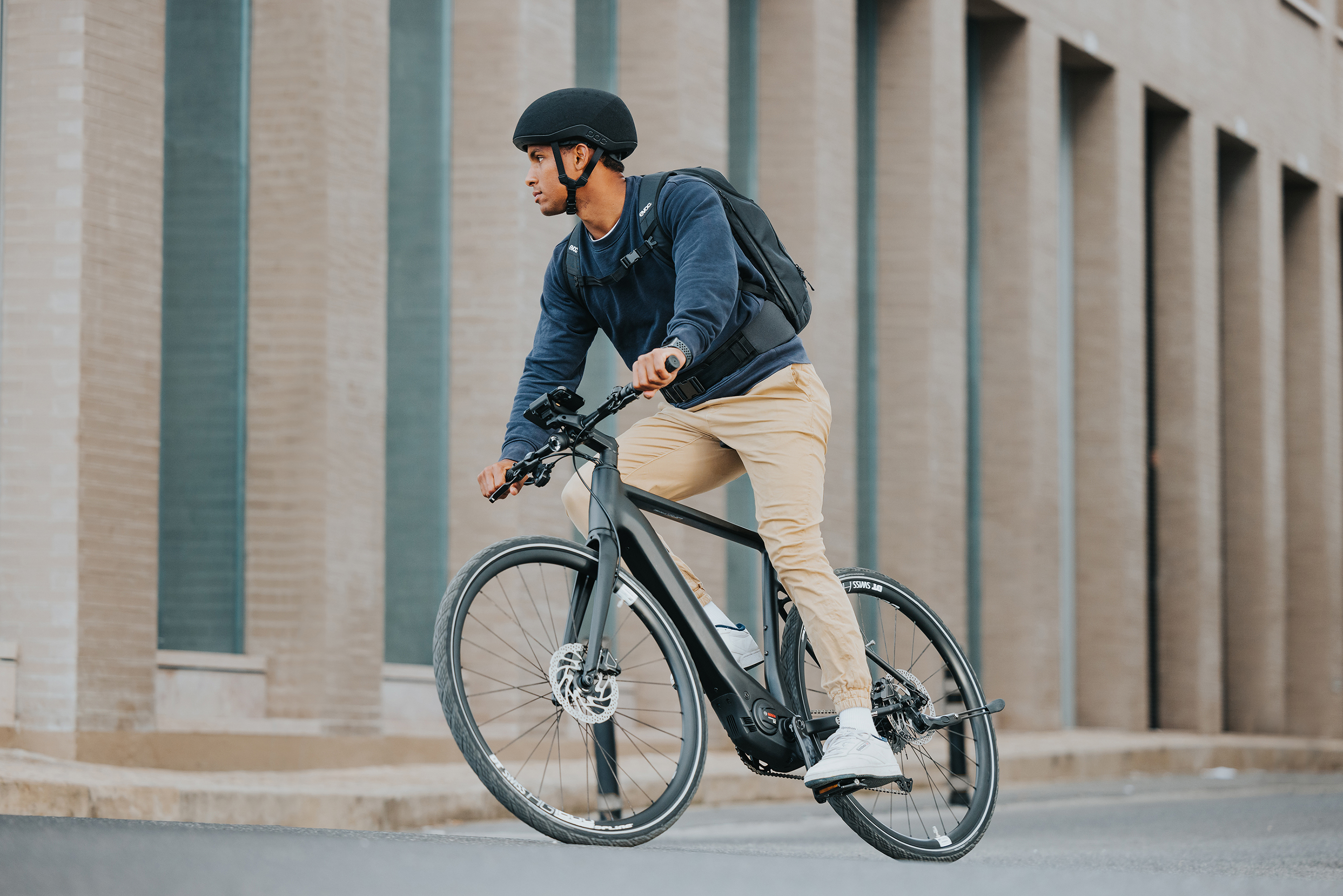
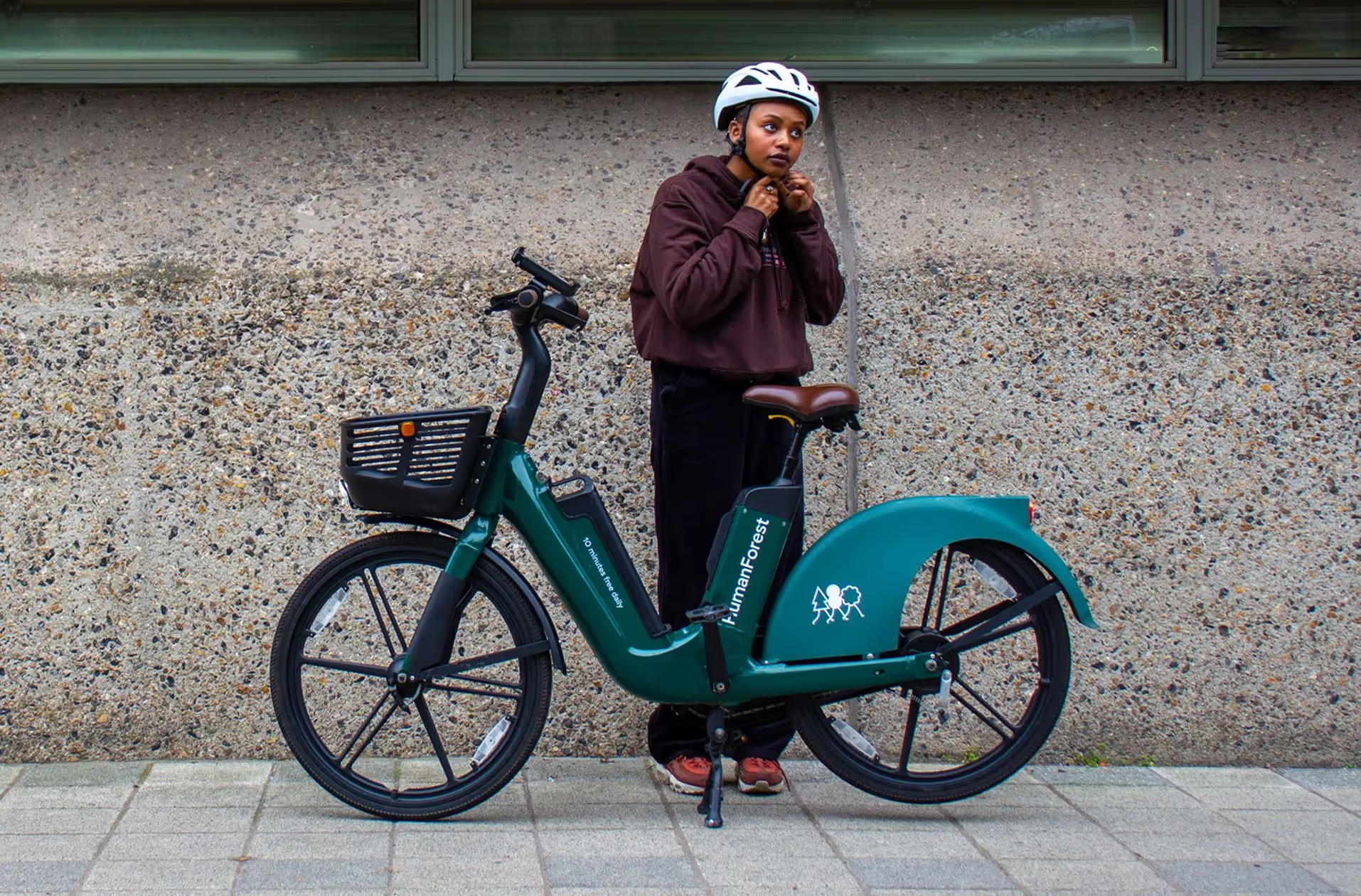
Electric bicycles now dominate the market in the Netherlands. In 2025, e-bikes made up 49% of all new sales, with 391.3k units sold. More importantly, they generated 73% of the industry’s total revenue. The cost of going electric continues to rise, the average price of an e-bike climbed 6% this year to €2.87k.
Long-term forecasts suggest this shift will only accelerate. The Knowledge Institute for Mobility Policy (KiM) expects total bicycle use, measured by distance traveled, to be 8% higher in 2030 than in 2023. During this period, the use of electric bicycles is projected to increase by approximately 40%, while the distance covered on traditional bicycles will likely decrease by about 11%. Already, e-bike trips for education average 6.7 km, which is more than double the distance of trips made on traditional bikes.
Commuting Habits Drive Change

The decline in new sales follows a massive surge during the COVID-19 pandemic. Analysts suggest consumers are now "taking a pause" after the record-breaking sales of 2020. However, the actual use of bicycles is surging. Between 2024 and 2025, the number of people cycling to work jumped by 57%. This increase stems from a broader "return to the office" trend. While hybrid work remains common, employees are spending more days on-site and choosing bikes for their commutes. For trips under 5 km, traditional bicycles are actively replacing public transport.
Most Buyers Choose Physical Stores
Specialized bike shops remain the preferred choice for Dutch buyers. These stores handled 69% of all new bike sales and were responsible for 82% of the industry's total revenue in 2025. Customers at these specialty shops typically spend more, with the average e-bike price reaching €3,025.
In contrast, online sales struggled. The number of bicycles purchased online fell by 5% to 158.1k units. The average price for an online purchase also dropped to €1.19k, suggesting that buyers prefer high-end, more expensive models from physical stores.
Used Bikes Capture One-Third of Market
As new bikes become more expensive, the second-hand market offers a vital alternative. Approximately 32% of all bike purchases are now second-hand. Companies like Revolt Bikes have tapped into this demand by offering refurbished e-bikes and demo models at lower price points. Choosing used models not only saves consumers money but also supports sustainability by extending the life of existing frames and batteries.
What the Numbers Mean
The 7% decline in bicycle sales reflects a market adjustment rather than reduced interest in cycling. The Dutch continue to cycle extensively, with bicycles remaining central to daily transportation for millions of people.
What has changed is consumer preference. Buyers increasingly choose e-bikes over conventional models, willing to pay premium prices for electric assistance. This shift supports market value even as fewer total bicycles sell.
The bicycle industry has adapted to this new reality, focusing on higher-value products rather than volume sales. E-bikes offer better margins and meet growing demand for easier, longer-distance cycling.
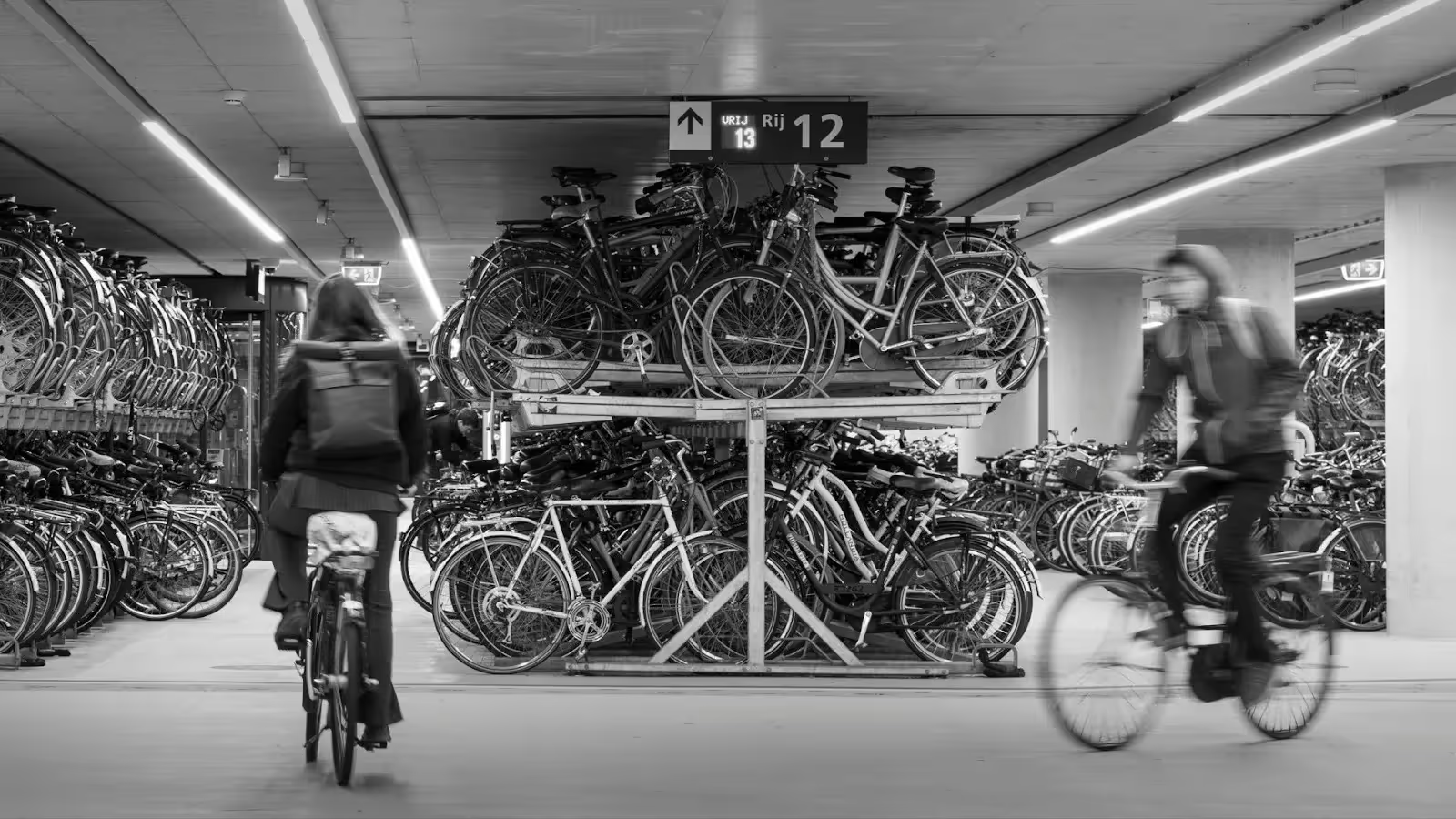
The Netherlands remains one of the world's leading cycling nations. It currently maintains a total "fietspark" (bicycle fleet) of 24.4m bikes. With 153k km of cycling infrastructure and a deeply embedded cycling culture, bicycles will continue playing a major role in Dutch life. The form that role takes, however, has shifted decisively toward electric models.
Image Credits: sabina fratila on Unsplash